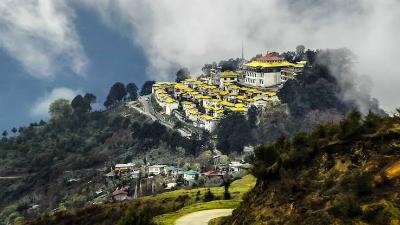
Seven Sisters Beginner Treks
If you are planning your first trekking trip in Northeast India, the Seven Sisters are a smart place to begin. This region gives you short forest walks, village trails, ridge hikes and waterfall routes that feel rewarding without demanding technical climbing experience.
In this guide, you will find beginner-friendly treks across the Seven Sisters, the best time to go, what each trail feels like, and practical travel tips for Indian travellers. The aim is simple: help you choose a trek that fits your fitness, time and comfort level.
Why the Seven Sisters are ideal for first-time trekkers
The Seven Sisters—Arunachal Pradesh, Assam, Manipur, Meghalaya, Mizoram, Nagaland and Tripura—offer a wide range of soft adventure. Many treks here are short enough for a weekend, yet scenic enough to feel like a proper escape. You will find routes through pine forests, bamboo groves, living-root bridges, rolling hills, lakeside paths and village ridges.
For beginners, this region works well because most routes can be done in half a day to two days. You do not need mountaineering gear for many of them, but you should still be prepared for rain, slippery steps and uneven paths. The terrain can look gentle on paper and still feel tiring when the weather turns wet.
Best beginner treks in the Seven Sisters
1. David Scott Trail, Meghalaya
This is one of the best-known beginner treks in Northeast India. The historic trail runs between Mawphlang and Lad Mawphlang, with a route that is generally around 16-17 km depending on the exact start and end points you choose. Most fit beginners take 4-6 hours, with some sections along stone pathways, stream crossings and open countryside.
The trek is not technically difficult, but it is long enough to give you a satisfying day outdoors. The best months are October to April, when the trail is drier and easier to walk. Carry enough water, a rain layer and snacks, and start early in the day. If you are based in Shillong, this makes for a very practical day trip.
2. Double Decker Living Root Bridge Trek, Meghalaya
Near Nongriat in the Cherrapunji area, this trail is famous for the living-root bridges and the deep green valley views. It is a beginner-friendly trek in the sense that it does not require any climbing experience, but it does involve a lot of steps. From Tyrna village, expect roughly 3,000 steps one way to Nongriat, and many travellers take 2-3 hours each way.
Because of the descent and climb back up, this is more tiring than it first appears. A comfortable option is to stay overnight in Nongriat or nearby, which turns the trip into a slower and more manageable experience. The best time is usually October to April, though Meghalaya can see rain almost any month. Good footwear matters here more than almost anywhere else on a beginner list.
3. Dzukou Valley trek, Nagaland
Dzukou Valley, on the Nagaland-Manipur side, is one of the most rewarding treks for a new trekker who wants a little challenge without technical difficulty. The route from Viswema or Zakhama usually takes 4-6 hours up and another 3-5 hours down, depending on pace and weather. The valley itself is known for rolling meadows, seasonal flowers and cool weather.
This trek is better for beginners who are reasonably active and comfortable with long uphill sections. October to May is generally more suitable, with clear views and pleasant temperatures. If you go during monsoon months, the valley can be very wet and slippery. Many travellers stay overnight in the valley to avoid rushing the descent.
4. Reiek Peak trek, Mizoram
Reiek Peak is one of the easiest introductory treks in Mizoram. The trail near Reiek village is short, usually taking 1.5-3 hours round trip depending on your pace and the time you spend at viewpoints. The climb is steady but manageable, and the reward is a broad view over the surrounding hills and valleys.
This is a good option if you want a half-day adventure close to Aizawl. The best months are November to March, when the air is clearer and the walk is more pleasant. Because the trek is short, it fits neatly into a city-based itinerary and is a nice way to test your trekking comfort before attempting longer routes in the Northeast.
5. Phawngpui, Mizoram
Phawngpui, also called the Blue Mountain, is often treated as a more serious trek than Reiek, but beginners with decent fitness can still consider it with proper planning and a guide. The route is longer, usually done over 2-3 days with trekking camps or basic stays arranged through local operators. The attraction is the high-altitude landscape, forest sections and open hill views.
This trek is best for beginners who want their first multi-day experience. Go between November and April for better weather. Because access and local rules can change, confirm the latest permit or entry requirements before planning. A local guide is strongly recommended for safety and route clarity.
6. Elephants Falls and Shillong Peak trails, Meghalaya
Not every beginner trek needs to be a remote expedition. In and around Shillong, you can combine light walking routes with viewpoints and waterfalls to create a soft trekking day. Short trails near Elephant Falls, Shillong Peak and nearby forested stretches are excellent for families, older travellers or people testing their stamina before a bigger route.
These are more like nature walks than full treks, but they still give you the feel of the hills. They are best done year-round, with October to April being more comfortable. Entry rules, vehicle access and local restrictions can vary, so check them on the day of travel.
7. Ziro valley village walks, Arunachal Pradesh
Ziro is not a classic steep trek destination, but it is excellent for beginner-friendly walking routes. Trails around villages such as Hong, Hija and Bulla offer gentle walks through rice fields, pine groves and Apatani settlements. These are ideal if you want scenic movement without a difficult ascent.
Most village walks take 1-3 hours, depending on how far you go and how many stops you make. March to May and September to November are usually comfortable. Since these are community areas, walk respectfully, ask before entering private paths and keep your pace relaxed. This is a great addition to a longer Arunachal trip.
How to choose the right trek for your fitness level
If this is your first trekking trip in the Seven Sisters, be honest about your current fitness. A short uphill route can feel easy on paper and still be tiring if you are not used to stairs or long walks. Start with a half-day hike if you are unsure, then move to something longer once you know how your body responds.
| Trek | Typical duration | Best for | Approx. effort |
|---|---|---|---|
| Reiek Peak, Mizoram | 1.5-3 hours | First-timers, families | Easy |
| Shillong area nature walks, Meghalaya | 1-4 hours | Casual walkers | Easy |
| David Scott Trail, Meghalaya | 4-6 hours | Fit beginners | Moderate |
| Double Decker Root Bridge, Meghalaya | 5-7 hours with breaks | Active beginners | Moderate |
| Dzukou Valley, Nagaland-Manipur | 1-2 days | Beginners with stamina | Moderate to challenging |
When to go: weather, seasons and trail conditions
The best trekking months across most of the Seven Sisters are generally October to April. During these months, the weather is cooler, the skies are clearer and the paths are usually less slippery. If you want long views from ridges or cleaner footing on stone trails, this is the window to aim for.
Monsoon season, roughly May to September, brings heavy rain to several parts of the Northeast, especially Meghalaya and Arunachal Pradesh. Trails can become muddy, stream crossings can rise quickly and leeches may appear in forest sections. Monsoon trekking is possible, but it is better for experienced travellers or those going with local guides who know the route well.
What it may cost
Budget depends on where you go, how you travel and whether you book a guide or transport package. For most beginner treks in the Seven Sisters, you can plan for the following rough ranges:
- Local transport: ?1,000-?3,500 for taxis or shared vehicles depending on distance and state
- Guide charges: ?1,000-?3,000 per day in many trekking areas, though rates vary by route
- Basic stays: ?1,500-?4,000 per night for guesthouses, homestays or simple hotels
- Food: ?400-?1,000 per day if you eat at local restaurants or homestays
- Permits/entry fees: Can range from small entry charges to permit-based costs depending on state and route, so confirm before booking
If you are travelling during peak season or long weekends, accommodation in Shillong, Aizawl, Kohima and Itanagar-linked hubs can get booked out faster than you expect. It is wise to reserve stays early, especially if your trek starts from a popular base village.
What to pack for beginner treks in the Northeast
You do not need a huge trekking setup, but you should pack for wet weather and changing temperatures. Lightweight layers, quick-dry clothes and decent shoes make a big difference. If you are trekking in Meghalaya or Arunachal, a rain cover is not optional.
- Sturdy shoes with good grip
- Light rain jacket or poncho
- Refillable water bottle
- Energy snacks like nuts, dates and glucose biscuits
- Basic first-aid items and any personal medication
- Power bank and torch
- Small daypack with a rain cover
- Cash, since digital payments may be patchy in remote spots
If you are doing a stair-heavy trek like Nongriat or a longer route like Dzukou, walking poles can help reduce strain on your knees. They are not essential, but they are useful if you are carrying your own bag.
Practical travel tips for Indian travellers
Base yourself in the nearest workable town before you trek. Shillong is the most convenient hub for many Meghalaya treks, Aizawl works well for Mizoram, Kohima is useful for Dzukou Valley, and Ziro is a good base for Arunachal walking routes. This reduces early-morning travel stress and gives you a backup plan if weather changes.
Also, do not rely only on internet maps for remote trails. Ask your homestay host, guide or local driver for the exact trailhead, expected walking time and current trail conditions. In the Northeast, weather can change plans quickly, and local advice is often more accurate than generic online information.
If you are travelling in a group, keep the pace slow enough that everyone can finish comfortably. The best beginner trek is not the shortest one; it is the one you can complete safely and enjoy without exhaustion.
Frequently Asked Questions
Which is the easiest beginner trek in the Seven Sisters?
For most first-time trekkers, Reiek Peak in Mizoram and the shorter village walks around Ziro in Arunachal Pradesh are among the easiest choices. If you want something more famous but still beginner-friendly, the David Scott Trail in Meghalaya is a strong option. Choose based on your fitness and the amount of time you have.
Is Dzukou Valley suitable for beginners?
Yes, but only for beginners who have decent stamina and are comfortable with long uphill and downhill walking. It is better than many people expect, but it is not a casual stroll. If you are unsure, try a shorter trek first and attempt Dzukou with a local guide or a planned overnight stay.
Do I need a guide for these treks?
For short and well-marked routes, a guide may not always be necessary, but local guidance is still useful. For longer, wetter or less straightforward treks like Dzukou Valley, a guide is a smart idea. It also helps support local livelihoods, which is important in community-based trekking regions.
What is the best month for trekking in Northeast India?
October to April is usually the safest and most comfortable period for beginner treks in the Seven Sisters. The weather is cooler, paths are drier and visibility is better. If you trek during monsoon, be ready for rain, slippery ground and possible plan changes.
Are these treks expensive?
Not necessarily. Many beginner treks in the Seven Sisters can be done on a moderate budget if you use local transport, stay in homestays and choose simple food. Your biggest costs are usually transport and accommodation rather than the trek itself.
Can families with children do these treks?
Yes, some of them can. Reiek Peak, Shillong area walks and Ziro village trails are better suited to families than long stair climbs or multi-day routes. For children, keep the itinerary short, start early and avoid slippery trails after heavy rain.
The Seven Sisters are one of India’s best regions for beginning trekkers because they give you variety without forcing you into technical terrain too soon. Start with a short walk, build confidence, and then move to longer routes like David Scott Trail, Nongriat or Dzukou Valley when you are ready.
If you plan well, pack for the rain and choose the right season, your first trek here can be a memorable one for all the right reasons.
If this guide helped you, share the post with someone planning a Northeast India trip.
Disclaimer : The information provided in this blog is for general informational purposes only. While we strive to keep the content accurate and updated, TravelSetu assumes no liability for errors or omissions. If you believe any part of this blog infringes your rights or causes concern, please notify us immediately at info[at]travelsetu[dot]com so that appropriate action can be taken.