If you are planning a trip to the Seven Sisters, you probably have two pictures in your head at the same time: one is of misty hills, living root bridges, waterfalls and clean mountain air; the other is of long road journeys, patchy network, and places that take more effort to reach than they look on social media. This guide is for Indian travellers who want the honest version, so you can plan better, pack smarter, and enjoy the Northeast without unrealistic expectations.
By the end, you will know what the Seven Sisters really feel like on the ground, what usually surprises first-time visitors, how much time and money to keep aside, and how to shape your itinerary so it stays practical.
What “Seven Sisters” Actually Means
The Seven Sisters are the seven northeastern states of India: Arunachal Pradesh, Assam, Manipur, Meghalaya, Mizoram, Nagaland, and Tripura. Many travellers use the phrase as if it were one compact destination, but in reality these states are spread across a large and varied region with different cultures, roads, climates, and travel rules.
The expectation is often that you can “do the Seven Sisters” in one long holiday. The reality is that this is better treated as a region for multiple trips. Even within one state, journeys can take much longer than they do on a map. For example, Guwahati to Shillong is roughly 100 km and usually takes around 3 hours, while Guwahati to Tawang in Arunachal Pradesh can involve a very long road day and often needs an overnight break depending on road conditions.
If you keep that in mind from the start, your trip becomes far less rushed and far more enjoyable.
Expectation: Everything Is Close Together. Reality: Distances Feel Bigger Here
One of the biggest surprises for first-time visitors is that travel in the Seven Sisters is not measured only by kilometres. Hills, winding roads, weather, landslides in monsoon months, and permit checks can all stretch travel time. A route that looks manageable on a screen may still take half a day in practice.
How travel usually plays out
- Guwahati to Shillong: about 3 hours, sometimes longer on weekends and holidays.
- Shillong to Cherrapunji: around 2-3 hours depending on stops and road conditions.
- Shillong to Dawki: usually 2.5-3.5 hours.
- Guwahati to Kaziranga: around 4-5 hours by road.
- Imphal to Loktak Lake: roughly 1-1.5 hours.
In plain terms, this means you should avoid stuffing too many places into one itinerary. A 5-6 day trip is best used for one or two states, not four or five. If you want the experience to feel relaxed, plan fewer stops and give yourself buffer time.
Expectation: Perfect Weather and Blue Skies. Reality: Weather Changes Quickly
Many travellers imagine the Northeast as cool and pleasant all year. The reality is more layered. Some areas are lovely in winter, some are stunning after the rains, and some become difficult to access during the monsoon. Fog, rain, and sudden drops in visibility are common in hill areas, especially in Meghalaya, Arunachal Pradesh, and Nagaland.
For most travellers, October to April is the most comfortable window. October to December gives clear views and good road conditions in many places. January and February can be quite cold in hill areas, while March and April are pleasant with spring colours. May and June can be warm and humid in lower areas. The monsoon, roughly June to September, brings intense rain, green landscapes, and also the risk of delays, landslides, and river swelling.
The expectation of “perfect mountain weather” is not realistic every day. The better approach is to travel with flexible clothing, a rain layer even in winter, and a plan that allows for weather changes.
Expectation: The Whole Region Looks Like One Scenic Postcard. Reality: Each State Has Its Own Personality
Another common misconception is that the Seven Sisters all look and feel similar. They do not. This is one reason the region is so rewarding, but also why it deserves more thoughtful planning.
| State | What travellers often expect | What the experience is really like |
|---|---|---|
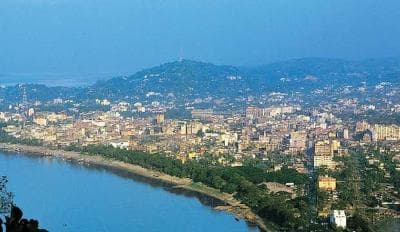
| Assam | Tea gardens and wildlife | Tea estates, river landscapes, Kaziranga, Guwahati as the main gateway |
| Meghalaya | Only waterfalls and clouds | Road trips, caves, living root bridges, clean village stays, and strong rain patterns |
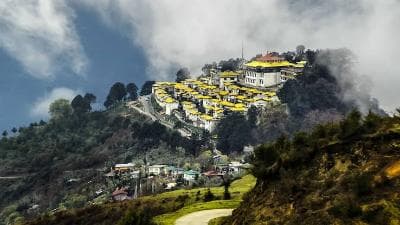
| Arunachal Pradesh | Remote mountain beauty | High-altitude journeys, Buddhist culture, permits, and long road travel |
| Nagaland | Festival-only destination | Village culture, Hornbill Festival, strong local identity, and rolling hill scenery |
| Manipur | Only Imphal | Loktak Lake, cultural centres, heritage sites, and a gentler pace |
| Mizoram | Hard to reach, little to do | Quiet hill towns, clean surroundings, and a slower, calmer travel style |
| Tripura | Less scenic than the others | Palaces, temples, archaeological sites, and compact city-to-site travel |
The reality is that the Seven Sisters work best when you respect each state as its own destination, not as a checklist. If you want waterfalls and cliffs, Meghalaya is a natural choice. If you want Buddhist monasteries and high mountain passes, Arunachal Pradesh is the obvious fit. If you want wildlife and tea, Assam should be at the centre of your plan.
Expectation: Easy Internet, Easy ATMs, Easy Cab Booking. Reality: Connectivity Can Be Patchy
Many travellers are used to the convenience of big-city India, where ride apps, mobile data, and ATMs are available almost everywhere. In the Seven Sisters, especially outside the main towns, this is not something you should assume. Network coverage can be weak in hill stretches, and some areas may have only one reliable service provider at a time.
Carry enough cash for remote travel days, fuel, entrance fees, parking, and small purchases. While UPI is increasingly accepted in towns and tourist areas, it is still wise to keep a cash buffer of at least Rs.3,000-Rs.7,000 per traveller for short trips, more if you are going off the main routes.
For transport, pre-booked cabs are often the easiest option for intercity travel. Shared taxis exist in some places and can be economical, but they may run on fixed routes and timings. If you are travelling in a group, a private vehicle can cost roughly Rs.3,500-Rs.7,000 per day in many hill circuits, depending on the vehicle type, route, and season. Confirm all charges in advance, including driver allowance, tolls, parking, and night charges if applicable.
Expectation: Cheap, Casual Travel. Reality: Costs Depend on Route and Season
Some visitors assume the Northeast will be much cheaper than other scenic regions in India. The reality is mixed. Basic food and local transport can be affordable, but hotel rates, long road transfers, and permit-related arrangements can add up quickly. Popular periods such as October, December, long weekends, and festival dates often bring higher prices.
As a general planning guide, a comfortable trip for one person can look like this:
- Budget stay: Rs.1,200-Rs.2,500 per night
- Mid-range stay: Rs.2,500-Rs.5,500 per night
- Local meals: Rs.300-Rs.800 per day
- Cab transfers and sightseeing: Rs.2,000-Rs.7,000 per day depending on distance
- Permits, fees, and entry tickets: variable, often modest but worth budgeting for
If you are covering multiple states, transport will likely be your biggest cost. A well-planned itinerary with fewer hotel changes often saves more money than chasing too many destinations.
Expectation: You Can Wing It. Reality: Some Planning Is Essential
The Seven Sisters reward travellers who prepare a little. You do not need a minute-by-minute spreadsheet, but you do need a sensible plan for routes, weather, and permits. Some states and border areas may require permits for Indian travellers, and the rules can change. Arunachal Pradesh, for example, has permit requirements for Indian citizens for many areas. Always verify the current process before you travel.
Booking transport and stays in advance is especially important if you are travelling during peak season or festival time. The Hornbill Festival in Nagaland, for instance, draws strong demand in early December. Shillong, Kaziranga, and Tawang also see busy periods when accommodation fills quickly.
As a rule, keep these habits in place:
- Start each road day early.
- Keep one buffer day in your plan if your route is long.
- Confirm permits, hotel check-in times, and vehicle arrangements before departure.
- Carry light layers, rain protection, and basic medicines.
- Save offline maps and key contact numbers in advance.
Expectation: Only Nature Is Worth Seeing. Reality: Culture Is a Big Part of the Trip
Many travellers focus on waterfalls, lakes, valleys, and mountains, which is understandable. But the Seven Sisters are equally compelling for their communities, food, music, textiles, and festivals. The experience becomes richer when you slow down enough to notice that part.
In Shillong, café culture and music are part of the atmosphere. In Nagaland, villages and festivals reveal local identity in a way that a quick sightseeing stop cannot. In Manipur, Loktak and the surrounding cultural landscape add depth to the trip. In Tripura, palaces and temples give you a different rhythm from the hill states. Even Assam’s tea estates and river journeys tell a story beyond landscapes.
Food can also be a pleasant surprise. Expect local rice-based meals, smoked preparations, bamboo shoot dishes, fermented flavours, pork in some regions, and plenty of simple home-style cooking. If you are a picky eater, bring some snacks, but do not miss the chance to try regional meals at least once or twice.
How to Set the Right Expectations Before You Go
The smartest way to enjoy the Seven Sisters is to plan around what the region actually offers, not what the internet implies. If your dream is a relaxed scenic trip, choose one state and travel well. If you want a fuller region-wide experience, break it into separate holidays. A 6-day trip can comfortably cover Shillong, Cherrapunji, and Dawki, or Kaziranga with Guwahati, or parts of Arunachal with a focused route. Trying to do all of them together usually leads to fatigue rather than memories.
Think in terms of road time, not just map distance. Build your days around early starts, daylight driving, and realistic breaks. Choose hotels that match your route rather than your Instagram mood board. And keep your expectations open: the region may be less polished in places than big-city tourist zones, but that is also part of what makes it memorable.
Frequently Asked Questions
Is it realistic to cover all seven states in one trip?
Technically yes, but it is rarely a good idea for a first visit. The distances, road conditions, and permit requirements make a full circuit time-consuming. Most travellers will enjoy the region much more by focusing on one or two states per trip.
What is the best time to visit the Seven Sisters?
For most travellers, October to April is the most comfortable period. The weather is generally better, roads are easier to manage, and views are often clearer. If you travel during the monsoon, be ready for delays and rain-related changes.
Do I need permits to travel in the Northeast?
Some areas do require permits, especially in Arunachal Pradesh and certain border zones. Rules can change, so check the latest requirements before booking. Your travel planner or hotel should help you understand what applies to your route.
Are the Seven Sisters safe for solo travellers?
Many Indian travellers visit the region safely, including solo travellers. Still, like anywhere else, you should stay aware, use trusted transport, and avoid late-night road movement in unfamiliar areas. In remote places, it helps to share your itinerary with someone and keep offline copies of key details.
How much budget should I keep for a comfortable trip?
For a comfortable short trip, you can plan roughly Rs.8,000-Rs.15,000 per person for 3-4 days if you are sharing transport and choosing mid-range stays, though long road circuits can cost more. Food, hotels, and cab charges vary by state and season. It is sensible to keep an extra buffer for weather delays or plan changes.
Which state is best for a first-time visitor?
Meghalaya and Assam are often the easiest starting points because they are comparatively accessible from Guwahati and offer a good mix of scenery and infrastructure. If you want wildlife and tea, Assam is strong. If you want waterfalls, caves, and road trip scenery, Meghalaya is usually the simplest introduction.
The Seven Sisters are not difficult because they are unwelcoming; they are difficult only if you expect them to behave like a metro-linked holiday circuit. Once you plan with the region’s real pace in mind, the journey becomes smoother, richer, and far more enjoyable. Travel here with time, flexibility, and curiosity, and you will come back with stories that feel different from the usual India trip.
If this guide helped you see the Seven Sisters more clearly, share this post with someone planning a Northeast trip.
Planning a Seven Sisters trip?
Tell us your dates and who is travelling. Up to three local travel companies send you their itinerary and price.
Get free quotesDisclaimer: The information in this blog is for general information only. We try to keep it accurate and up to date, but TravelSetu accepts no liability for errors or omissions. If you believe any part of it infringes your rights, please write to info@travelsetu.com.