Seven Sisters Government Tourism Services
If you are planning a trip across Northeast India, understanding the Seven Sisters government tourism services can save you time, money, and a lot of last-minute confusion. This guide is for Indian travellers who want to explore the region smartly, using official tourism support for transport, stays, permits, sightseeing, and local guidance.
The Seven Sisters, meaning Assam, Arunachal Pradesh, Meghalaya, Manipur, Mizoram, Nagaland and Tripura, are easiest to enjoy when you know what the state tourism departments offer and how to use them. Here, you will get a practical overview of the services available, what they usually cost, where they help most, and how to plan your trip with fewer surprises.
What the Seven Sisters Government Tourism Services Cover
Each of the seven states has its own tourism department, tourism development corporation, and official help desks in key towns. The exact services vary by state, but in general they support accommodation, transport, sightseeing, permits, travel information, festivals, and sometimes guided tours or packages.
For first-time visitors, these services are especially useful because many parts of Northeast India are not as straightforward to navigate as larger metro-linked destinations. Road travel can be long, weather can affect plans, and a few states require permits for Indian travellers or foreign nationals. Official tourism offices help you plan around these realities instead of discovering them at the last minute.
Why Government Tourism Support Matters in the Northeast
The Seven Sisters are beautiful, but they are also spread out over mountains, river valleys, border districts, and remote hill towns. Distances that look manageable on a map can take much longer on the road. For example, a trip from Guwahati to Shillong may take around 3 hours in normal conditions, while Guwahati to Tawang can take a full day or more depending on stops and weather.
Government tourism services help because they are designed around the actual travel conditions of the region. You may find:
- Tourist information centres in airports, railway stations, and major towns
- State-run guest houses and lodges in selected locations
- Official taxis or transport counters in some cities
- Pre-arranged package tours for popular circuits
- Permit assistance for areas where entry rules apply
- Cultural and festival calendars for planning your visit better
If you prefer a trip that feels organised without being overly rigid, these services are worth using. They are also useful if you are travelling with family, senior citizens, or a group that wants fixed logistics.
State-by-State Tourism Services You Should Know
Assam: The Gateway State
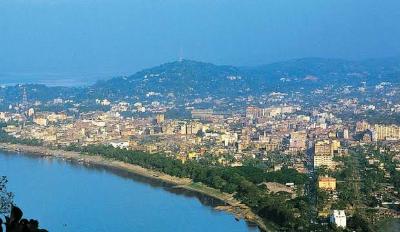
Assam is often the entry point to the Seven Sisters because Guwahati has the region’s busiest airport and strong rail connections. The state tourism department and government-run accommodations are practical for trips to Kaziranga, Majuli, Sivasagar, Tezpur, and the Brahmaputra riverfront.
You can usually expect support with hotel bookings, local sightseeing, river cruise suggestions, and circuit planning. If you are spending 2-4 days in Assam, government tourism help can be enough to build a comfortable itinerary without much hassle.
Meghalaya: Shillong, Cherrapunji, and Beyond
Meghalaya tourism services are helpful for travellers heading to Shillong, Cherrapunji, Dawki, and Mawlynnong. Official tourism offices often provide route advice, accommodation options, and package information for local circuits. Because weather changes quickly in the hills, the staff can also advise on road conditions and timing.
Shillong is a good base if you want a 3-5 day trip covering waterfalls, caves, viewpoints, and clean hill-town stays. Government tourism support is especially handy during peak seasons from October to April, when room availability can tighten quickly.
Arunachal Pradesh: Permit and Route Planning Support
Arunachal Pradesh is where official tourism support becomes particularly important. Entry rules apply in many areas, and the region is large enough that careful route planning matters. Government tourism offices and registered service providers can guide you on permits, recommended routes, and suitable overnight stops.
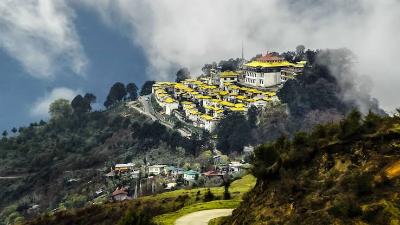
Popular tourist circuits include Tawang, Ziro, Dirang, Bomdila, Itanagar, Pasighat, and places in the West and East Siang districts. Road journeys are long, so it helps to work with official tourism suggestions instead of trying to cram too much into one trip.
Nagaland: Festivals, Culture, and Hill Districts
Nagaland tourism services are useful if you want to attend the Hornbill Festival, explore Kohima, visit Khonoma, or travel to Mokokchung and Mon. Government tourism bodies here often focus on cultural tourism, local homestays, and organised festival logistics.
If you are going during the Hornbill season in December, book early. Government and semi-government tourism accommodation can fill up fast, and road access in some places may be slower due to the festive rush.
Manipur: Imphal and the Loktak Circle
Manipur tourism services can help you plan around Imphal, Loktak Lake, Keibul Lamjao National Park, and nearby heritage sites. Government support is useful for getting a clear picture of local sightseeing options, seasonal conditions, and safe routes for day trips.
As with other Northeast states, road and weather conditions can affect plans, so a little coordination goes a long way. If you are staying in Imphal for 2-3 days, official tourism help can simplify your local movement.
Mizoram: Smooth Planning for Hill Travel
Mizoram’s tourism offices are most helpful for travellers who want a calm, structured hill trip around Aizawl, Reiek, Vantawng Falls, and nearby villages. Government tourism support often includes stay options, route information, and advice on local customs and travel timing.
The roads here can be winding, so it is better to keep your itinerary realistic. A 3-4 day plan centered on Aizawl and one or two nearby excursions usually works better than a packed circuit.
Tripura: Heritage, Lakes, and Shorter Distances
Tripura is smaller than the other sisters, which makes it easier to cover with the help of official tourism services. Agartala, Neermahal, Ujjayanta Palace, Sepahijala, and Unakoti are common highlights. State tourism support can help with local transport, day tours, and hotel options.
This is a good state for travellers who want a more relaxed pace and shorter driving distances. If you have just 2-3 days, government-backed sightseeing arrangements can make the trip efficient.
Common Services Offered by Official Tourism Departments
While every state runs things a little differently, the most useful government tourism services in the Seven Sisters usually fall into the following categories:
| Service | What it helps with | Indicative cost |
|---|---|---|
| Tourist information desk | Maps, itineraries, local advice, contacts | Usually free |
| Government guest house / lodge | Basic to comfortable stays in key towns | ?1,200-?4,500 per night |
| Official sightseeing package | Fixed-route local tours with vehicle and guide support | ?2,000-?8,000 per day depending on group size |
| Permit assistance | Guidance for entry documents and route rules | Mostly service-based; permit fees vary |
| Transport advice or booking help | Taxis, shared cabs, bus routes, airport transfers | Varies by route and season |
These prices are indicative and can change with season, location, and demand. Always confirm before booking, especially during long weekends, festival dates, and peak winter months.
How to Use Government Tourism Services for a Better Trip
The best way to use these services is to plan them into your trip early. For example, if you are travelling to Assam and Meghalaya together, you can check official stay options in Shillong and Guwahati before booking the rest of your transport. If you are going to Arunachal Pradesh, get permit guidance first, then build the itinerary around entry points and overnight stops.
A practical approach is:
- Decide your route and number of days.
- Check whether any permits apply.
- Ask about government guest houses or tourism lodges.
- Compare official packages with private options.
- Confirm transport timings and road conditions closer to travel date.
This is especially useful for families and groups travelling from cities like Kolkata, Delhi, Bengaluru, or Mumbai, where the Northeast may be a once-a-year holiday. A little planning through official channels can reduce uncertainty and keep your budget controlled.
Best Time to Travel Across the Seven Sisters
For most of the Seven Sisters, the best time to travel is from October to April. The weather is usually more comfortable, road travel is easier, and sightseeing works better in clear conditions. December and January are popular for hill trips, while November to March is a good window for most circuits.
Monsoon months, roughly from June to September, can bring heavy rain, landslides, road delays, and occasional disruptions. If you must travel then, use official tourism offices for current updates and keep your plans flexible. In hill states and remote districts, even a small weather change can affect your route.
Budget Planning: What You May Spend
The Seven Sisters can be affordable if you plan well, but costs rise when transport is not pre-booked or when you travel during peak season. Government tourism services often help you keep expenses predictable.
- Budget traveller: ?1,500-?3,000 per day per person, excluding long-distance flights
- Comfort traveller: ?3,500-?7,000 per day per person
- Family or small group with private vehicle: ?6,000-?15,000 per day depending on route and state
Flight fares to Guwahati, Imphal, Agartala, and sometimes other state capitals can vary sharply. Train travel is useful mainly up to Assam and parts of the region, after which road travel becomes the main mode. Government tourism packages can sometimes bundle stay and local transport at a better rate than booking separately.
Frequently Asked Questions
What are the Seven Sisters in tourism terms?
The Seven Sisters refer to Assam, Arunachal Pradesh, Meghalaya, Manipur, Mizoram, Nagaland, and Tripura. In tourism planning, these states are usually considered together because travellers often combine two or more of them in one Northeast India trip.
Do I need permits to travel in the Seven Sisters?
In some states and specific areas, yes. Arunachal Pradesh is the main state where permit rules matter for many travellers, and some border or protected areas may have additional conditions elsewhere. Always check the latest official rule before finalising your route.
Can government tourism help with hotels and transport?
Yes, many state tourism departments provide or recommend government guest houses, lodges, and transport services. In several places they also help with package tours or local sightseeing arrangements. Availability depends on the town and season, so book early where possible.
Is it cheaper to use government tourism services?
Often, yes, especially for basic accommodation and standard sightseeing packages. The bigger advantage is not only cost but also reliability and clearer information. Still, compare options before paying, because private stays may sometimes offer better flexibility or room quality.
What is the best time to use tourism services in the Seven Sisters?
The most comfortable travel window is usually from October to April. This is also when official tourism offices are busiest, so book in advance if you are travelling during festivals, winter holidays, or long weekends. Monsoon travel is possible, but road conditions can be unpredictable.
Should I rely only on official tourism offices?
Official tourism offices are a strong starting point, but it is wise to cross-check transport timings, hotel availability, and road updates locally. In remote or weather-sensitive areas, conditions can change quickly. Use official services for structure, and keep some flexibility in your schedule.
If you are planning a first trip to Northeast India, the Seven Sisters government tourism services can make the journey simpler, safer, and far more organised. From permits and stays to local circuits and transport advice, these services are especially valuable when you want to cover more places without wasting time on guesswork.
Share this post with anyone planning a Northeast India trip so they can travel better prepared.
Disclaimer : The information provided in this blog is for general informational purposes only. While we strive to keep the content accurate and updated, TravelSetu assumes no liability for errors or omissions. If you believe any part of this blog infringes your rights or causes concern, please notify us immediately at info[at]travelsetu[dot]com so that appropriate action can be taken.