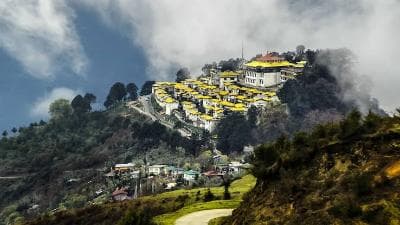
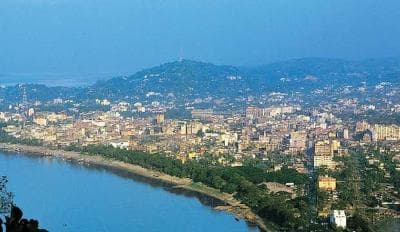
If you are planning a trip to the Seven Sisters and do not want your fitness routine to disappear for a week or two, this guide is for you. The Northeast is not just about scenic drives and local food; it also has a growing fitness culture, with everything from well-equipped city gyms to easy outdoor trails, morning walks, and yoga-friendly spaces. Here you will find a practical overview of where to work out, what to expect, and how to stay active while moving across the region.
Fitness in the Seven Sisters: What to Expect
The Seven Sisters, meaning Arunachal Pradesh, Assam, Manipur, Meghalaya, Mizoram, Nagaland, and Tripura, have very different fitness scenes depending on the city or town you are in. In bigger urban centres such as Guwahati, Shillong, Imphal, Aizawl, and Agartala, you can usually find commercial gyms, yoga studios, CrossFit-style training spaces, and sports clubs. In smaller hill towns, options are lighter and often limited to hotel gyms, public parks, football grounds, walking loops, and outdoor workouts.
For travellers, this means you should not assume there will be a gym on every street. Plan a little ahead, especially if you need early-morning access, specific equipment, or a day pass. In many places, fitness is also very outdoor-oriented, so if you enjoy running, brisk walking, cycling, or bodyweight workouts, you will have plenty to work with.
Best Cities and Towns for Gym Access
If your itinerary includes one or more base cities, these are the places where you are most likely to find reliable fitness facilities. Membership and day-pass availability can change, so it is wise to confirm directly with the gym or your hotel before you go.
| Destination | What you are likely to find | Indicative cost | Best for |
|---|---|---|---|
| Guwahati | Commercial gyms, premium fitness centres, yoga studios | Rs.300-Rs.800 per day pass; Rs.1,500-Rs.4,000 per month | Travelers wanting full gym access |
| Shillong | Gyms, boutique fitness spaces, running routes | Rs.300-Rs.700 per day pass; Rs.1,800-Rs.4,500 per month | Cardio, strength, and outdoor running |
| Imphal | Local gyms, sports facilities, open grounds | Rs.200-Rs.500 per day pass; Rs.1,200-Rs.3,500 per month | Simple, practical training |
| Aizawl | City gyms, steps-based cardio routes, yoga options | Rs.250-Rs.600 per day pass; Rs.1,500-Rs.4,000 per month | Hilly endurance workouts |
| Agartala | Gyms, clubs, walking parks | Rs.200-Rs.500 per day pass; Rs.1,000-Rs.3,000 per month | Budget-friendly training |
In most cases, gyms in these cities open around early morning and stay active until evening, with some offering flexible timings for working professionals and students. If you are staying in a hotel, ask whether they have an in-house gym, a partnership with a nearby fitness centre, or a rooftop or terrace area you can use for stretching and mobility work.
Seven Sisters Gyms and Fitness: City-by-City Snapshot
Guwahati: The easiest place to keep a full routine
Guwahati is usually the most convenient stop for fitness-minded travellers in the Northeast. It has the broadest choice of gyms, from basic weight rooms to more polished studios in neighbourhoods such as GS Road, Dispur, and Beltola. If you are staying here for two or three days, you can easily fit in a proper push-pull-legs split, a cardio session, or a guided yoga class.
The city also works well for outdoor activity. Early mornings near the Brahmaputra-facing stretches, neighbourhood parks, and larger public spaces are good for walking or light jogging before traffic builds up. If you want to combine work and fitness, Guwahati is the most forgiving city in the region.
Shillong: Good for walking, running, and hill conditioning
Shillong has a pleasant fitness rhythm, especially if you enjoy cooler weather and scenic routes. You will find gyms in and around Police Bazaar, Laitumkhrah, and nearby residential areas, but many travellers also use the city itself as a workout space. The slopes make even a regular walk more demanding, so you get natural hill conditioning without planning a special workout.
If your trip includes Dawki, Cherrapunji, or nearby day excursions, Shillong is a sensible base to recover and maintain your routine. Keep in mind that traffic and parking can be slow in some areas, so if you plan to visit a gym, leave a buffer in your schedule.
Imphal: Functional, local, and practical
Imphal tends to offer straightforward gym setups rather than flashy fitness spaces. You will find local gyms, sports grounds, and spaces used by regular gym-goers, athletes, and students. This is a good place if you want to train seriously without expecting luxury extras.
Morning walks around open areas and public grounds can be rewarding here, and if you enjoy football, you will notice how strongly sports culture shapes the city. Travellers staying for several days can usually find a workable place for strength training, stretching, and cardio.
Aizawl: For stair climbing and endurance work
Aizawl’s steep landscape naturally turns the city into a cardio challenge. Even if your gym access is basic, walking the roads and climbing steps can deliver an intense workout. Many visitors find that a simple 30- to 45-minute incline walk here feels harder than a full treadmill session elsewhere.
There are gyms in the city, and some hotels cater to business travellers with small fitness rooms. If you have knee issues, be careful with long descents and choose gentler routes. For active travellers, though, Aizawl is one of the best places in the Seven Sisters to mix fitness with everyday movement.
Agartala: Comfortable for routine maintenance
Agartala is a practical stop for anyone who wants to maintain fitness without spending a lot. You are likely to find neighbourhood gyms, parks, and open spaces where you can walk or do bodyweight circuits. It is not as varied as Guwahati, but it is dependable enough for travellers who want a basic routine.
If your trip is longer and you like a fixed workout pattern, this is a good city for consistency. You can keep a simple schedule: a gym session in the morning, sightseeing later, and an evening walk if the weather is kind.
Outdoor Fitness Options Across the Region
One of the best things about fitness in the Seven Sisters is that you do not always need a gym. The region lends itself to movement, especially if you enjoy fresh air and natural elevation. Many travellers end up doing more walking here than they planned, simply because the topography encourages it.
Good outdoor fitness options include early-morning walks in city parks, stair repeats in hilly towns, moderate trail hikes, football practice on local grounds, and short bodyweight routines in hotel courtyards or terraces. In places like Shillong and Aizawl, elevation alone can give you a strong cardio session. In Assam cities and towns, wider roads and open spaces make running and brisk walking easier.
If you prefer low-impact work, bring a resistance band, skipping rope, and a yoga mat. These take little space and help you stay consistent even when you cannot find a proper gym.
What a Traveller Should Pack for Fitness
You do not need a heavy bag to stay active on the road. A small, smart fitness kit is enough for most trips in the Northeast. Since some towns have limited equipment and weather can change quickly, packing well makes a real difference.
- Lightweight training shoes with good grip
- One pair of quick-dry workout clothes
- Resistance bands for strength and mobility work
- Compact yoga mat or travel mat if space allows
- Reusable water bottle
- Small towel and sweat-wicking socks
- Basic supplements or protein snacks if you already use them
If you are visiting in the monsoon months, which usually affect the Northeast from around June to September, pack quick-drying clothes and a spare pair of shoes. Wet roads and muddy paths are common, and they can easily disrupt a planned run.
How to Fit Workouts into a Sightseeing Trip
The easiest way to stay consistent is not to aim for perfection. Instead, link your fitness to your travel rhythm. If you leave for sightseeing after breakfast, train early for 30 to 45 minutes. If mornings are packed, do a bodyweight session in your room at night. A short workout is better than skipping movement entirely.
Here is a practical way to structure a 5-day trip:
- Day 1: Light walk and stretch after arrival.
- Day 2: Full gym session or a brisk 5-km walk.
- Day 3: Bodyweight circuit and mobility work.
- Day 4: Active sightseeing day with steps, stairs, or a hike.
- Day 5: Recovery walk, yoga, or light cardio before departure.
This approach keeps your energy steady and prevents that all-or-nothing feeling that often comes with travel. It also helps if you are balancing local food, long drives, and irregular sleep.
Food, Recovery, and Staying Hydrated
Fitness on the road is not just about workouts. Recovery matters even more when you are moving between hill stations, cities, and long road stretches. The Northeast can be humid in some places and cool in others, so hydration needs may change by destination and season.
Carry water, especially on day trips and long drives. If you train in the morning, eat something light but useful afterwards, such as eggs, fruit, curd, or a simple protein-rich breakfast. The region offers many meals that can fit a sensible routine, but portion sizes and oil levels vary from place to place, so choose based on how your body feels. If you are sensitive to altitude or long climbs, slow down and allow extra recovery time.
Frequently Asked Questions
Are gyms easy to find in the Seven Sisters?
They are easy to find in major cities like Guwahati, Shillong, Imphal, Aizawl, and Agartala, but less so in smaller towns. In rural or remote areas, your best options are often hotel gyms, walking routes, or outdoor workouts. It is always better to check ahead rather than assume.
Can I buy a day pass at most gyms?
Many gyms in the larger cities offer day passes, but not all of them advertise this publicly. Some prefer monthly memberships, while others allow short-term access for travellers. Call or message the gym before you arrive so you do not waste time.
Is it better to work out indoors or outdoors in the Northeast?
Both can work well. Indoors is better during heavy rain, strong humidity, or when you want a structured strength session. Outdoors is excellent for walking, running, stair training, and enjoying the cooler mornings in hill towns.
What is the best city in the Seven Sisters for serious gym-goers?
Guwahati is usually the most practical choice because it has the widest range of gyms and fitness services. Shillong also has a strong fitness culture, but Guwahati is typically easier if you want equipment variety and flexible access. The right choice depends on your route and hotel location.
Should I worry about fitness options in smaller towns?
You should plan for fewer options, but not worry too much. Smaller towns may not have large commercial gyms, yet you can still stay active with bodyweight training, hikes, hotel-room workouts, and walking. A little flexibility goes a long way here.
What is a sensible budget for gym use during a trip?
For most travellers, a day pass of Rs.200-Rs.800 is a reasonable expectation in larger towns and cities, while monthly memberships may range from Rs.1,000-Rs.4,500 depending on the facility. Premium studios can cost more. Rates change, so treat these as indicative and confirm locally before booking.
The Seven Sisters are a rewarding destination if you want to stay active without giving up your trip. With a little planning, you can combine gym sessions, outdoor movement, and sightseeing in a way that feels natural and sustainable.
If you found this guide useful, share the post with a friend who likes to travel and train at the same time.
Planning a Seven Sisters trip?
Tell us your dates and who is travelling. Up to three local travel companies send you their itinerary and price.
Get free quotesDisclaimer: The information in this blog is for general information only. We try to keep it accurate and up to date, but TravelSetu accepts no liability for errors or omissions. If you believe any part of it infringes your rights, please write to info@travelsetu.com.