If you are planning a group trip to Northeast India, the Seven Sisters are one of the most rewarding regions you can choose. This guide is for travellers who want a practical, well-paced group tour plan across Assam, Arunachal Pradesh, Meghalaya, Manipur, Mizoram, Nagaland and Tripura, with realistic travel times, route ideas and budgeting tips. By the end, you will know how to join a Seven Sisters group tour, what each state is best for, and how to avoid common planning mistakes.
Why group tours work so well in the Seven Sisters
The Seven Sisters are beautiful, but they are not the easiest destination to cover on your own, especially if you are trying to visit more than one state in a single trip. Distances can look short on a map, but hill roads, weather delays and limited flight connections can stretch travel time. A good group tour helps you manage transfers, permits, local transport and hotel coordination without spending days on logistics.
For Indian travellers, joining a group tour also makes the trip more affordable. Shared cabs, pre-booked rooms and planned sightseeing can bring the cost down compared with arranging everything separately. It is also a more comfortable choice if you are travelling with parents, friends or a mixed-age family group.
What the Seven Sisters include and what each state is best for
The Seven Sisters is the common name for the seven northeastern states of India: Assam, Arunachal Pradesh, Meghalaya, Manipur, Mizoram, Nagaland and Tripura. Each state has a different travel style, so group tours usually combine two to four states rather than trying to cover all seven in one go.
| State | Best known for | Good for |
|---|---|---|
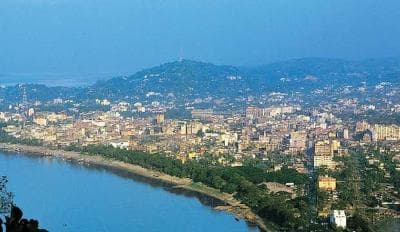
| Assam | Guwahati, Kaziranga, river cruises, tea gardens | First-time visitors, wildlife, easy connectivity |
| Meghalaya | Shillong, Cherrapunji, Dawki, living root bridges | Short scenic group tours, waterfalls, caves |
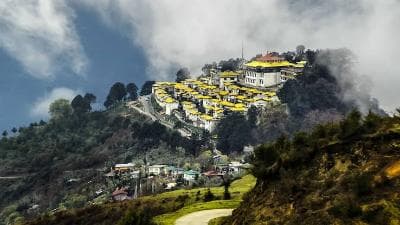
| Arunachal Pradesh | Tawang, Bomdila, Sela Pass, monasteries | High-altitude road trips, monastery circuits |
| Nagaland | Kohima, Mokokchung, Hornbill Festival | Festival travel, cultural circuits |
| Manipur | Imphal, Loktak Lake, Keibul Lamjao | Lake travel, culture, slower-paced tours |
| Mizoram | Aizawl, hills, viewpoints, local markets | Quiet hill travel, cultural exploration |
| Tripura | Ujjayanta Palace, Neermahal, heritage sites | Short heritage-focused trips |
Best group tour combinations for first-time travellers
If this is your first trip to the region, do not try to cover everything. A focused route is more enjoyable and usually more economical. Most travellers find that one of these combinations works best.
Assam and Meghalaya: the easiest starter tour
This is the most popular combination for a reason. You can start from Guwahati, visit Shillong, Cherrapunji and Dawki, and return without long inner-state transfers. A 5 to 7 day tour is enough for most groups, and the road network is relatively manageable compared with deeper hill circuits.
Typical highlights include Kamakhya Temple in Guwahati, Umiam Lake, Elephant Falls, Mawsmai Cave, Living Root Bridge areas near Cherrapunji, and the clear waters of Dawki and Shnongpdeng. This route suits couples, families and senior travellers alike.
Assam and Arunachal Pradesh: for mountain road lovers
If your group wants monasteries, mountain roads and cooler weather, this route is worth considering. A common plan is Guwahati, Bhalukpong, Bomdila and Tawang. The full circuit usually needs 7 to 9 days because the road journey from Bomdila to Tawang can take most of a day, and weather can affect travel time further.
This route requires more patience, but it rewards you with Sela Pass, the Tawang Monastery area and wide-open Himalayan landscapes. It is better suited to travellers who do not mind long drives.
Nagaland and Manipur or Nagaland and Assam: for culture and festivals
For a cultural trip, Nagaland is a strong choice, especially if you are visiting during Hornbill Festival in early December. A group tour may include Kohima, Kisama, Khonoma and nearby villages, sometimes combined with Dimapur or an Assam extension. If you want a slower route, Manipur adds Loktak Lake, Imphal’s memorial sites and a more relaxed pace.
These tours are good for travellers who want local food, traditional craft, and event-led itineraries rather than just sightseeing spots.
How many days you should keep for a Seven Sisters group tour
The right duration depends on how many states you want to cover. Trying to squeeze too much into too few days can leave you tired and short on actual sightseeing time.
- 4-5 days: One state or a very short Assam-Meghalaya trip
- 6-7 days: Assam and Meghalaya at a comfortable pace
- 7-9 days: Assam and Arunachal Pradesh, or a broader Meghalaya-led circuit
- 10-12 days: Two to three states with a more relaxed pace
For most group travellers, 6 to 8 days is the sweet spot. It gives enough time for road travel, meals, stops for photography and the occasional delay without making the tour feel rushed.
Best time to join a group tour in the Seven Sisters
The ideal time varies slightly by state, but the broad travel window is October to April. This is when roads are generally easier, skies are clearer and the weather is more pleasant for sightseeing. November to February is especially popular for Meghalaya, Assam and Nagaland.
Monsoon months, roughly June to September, can be tricky because of heavy rain, landslides in hill areas and delays on road routes. That said, if your group is specifically interested in lush waterfalls and fewer crowds, Meghalaya can still be appealing, as long as you build in buffer time and stay flexible.
If you are planning around festivals, Hornbill Festival in Nagaland, Bihu in Assam and various local celebrations in hill towns can shape your dates. Festival periods are lively but hotel prices may rise, so book early.
What a typical group tour itinerary looks like
A good group itinerary in the Seven Sisters should balance driving, rest and local experiences. Here is a realistic example for a 7-day Assam-Meghalaya tour starting and ending in Guwahati.
- Day 1: Arrive in Guwahati, local sightseeing, stay overnight.
- Day 2: Drive to Shillong via Umiam Lake, evening at Police Bazaar.
- Day 3: Shillong to Cherrapunji, waterfalls and caves, overnight in Cherrapunji or Shillong.
- Day 4: Dawki and Shnongpdeng excursion, return to Shillong or nearby stay.
- Day 5: Optional Mawlynnong or additional Shillong sightseeing, return towards Guwahati.
- Day 6: Kaziranga add-on or Guwahati temple and riverfront day.
- Day 7: Departure from Guwahati.
For Arunachal, the structure changes because drives are longer. A 8-day group tour may spend whole days on the road between Guwahati, Bhalukpong, Bomdila and Tawang, so you need fewer stops and more realistic expectations. Your tour operator should explain road time clearly instead of presenting the route like a city break.
How much a Seven Sisters group tour may cost
Costs depend on season, hotel category, route and the number of states covered. For an Indian group traveller, a realistic budget is often easier to understand in per-person ranges.
- Budget group tour: Rs.18,000-Rs.28,000 for 5-6 days
- Mid-range group tour: Rs.28,000-Rs.45,000 for 6-8 days
- Comfort-focused tour: Rs.45,000-Rs.70,000+ for 7-10 days
These figures usually cover accommodation, transport by shared vehicle, breakfast and some sightseeing. They may not include flights, entry fees, meals beyond the plan, camera charges, or special permit costs where applicable. Prices can move up in peak season, especially around December and festival dates, so confirm the final package inclusions before paying.
Practical travel tips for group travellers
Group tours in the Seven Sisters are smoother when you prepare for local conditions. Roads can be narrow, mobile networks can be patchy in some hill stretches, and weather can change plans quickly. Carry light, stay flexible and do not overpack your schedule.
- Carry valid ID cards, especially if your route includes border or permit-sensitive areas.
- Keep some cash handy for small shops, parking, local snacks and entry points where digital payment may not be reliable.
- Choose footwear with good grip for waterfalls, caves and hilly viewpoints.
- Pack a light jacket even in spring, especially for Shillong, Cherrapunji and Tawang routes.
- Ask your operator about room sharing, vehicle type and daily driving hours before booking.
If your group includes seniors, children or first-time hill travellers, choose a tour with fewer hotel changes. The comfort of staying two nights in one place often matters more than trying to tick off another viewpoint.
Who should join a group tour instead of planning solo
A group tour is especially useful if you are visiting the Seven Sisters for the first time, travelling during a festival, or covering multiple states in one trip. It is also a smart option if you want a fixed budget and do not want to spend time negotiating cabs, hotels and route details at each stop.
Solo travel can work well too, especially in Shillong, Guwahati and parts of Assam, but the deeper you go into Arunachal, Nagaland or less-connected hill routes, the more valuable organised planning becomes. A good group tour reduces uncertainty and lets you focus on the experience rather than the logistics.
Frequently Asked Questions
Is the Seven Sisters region safe for group travel?
Yes, most popular tourist routes in the Seven Sisters are safe for group travel when you follow local advice and travel with a reliable operator. Like any hill region, weather and road conditions matter, so it is important to avoid late-night road movement on difficult stretches. Always confirm current conditions before leaving.
Which state is best for a first trip?
For first-time travellers, Meghalaya is often the easiest and most scenic introduction, usually combined with Assam. The road trip from Guwahati to Shillong and Cherrapunji is manageable and gives you a strong taste of the region without requiring too much transit time. Assam alone is also a good start if you want wildlife and city access.
Do I need permits for Seven Sisters group tours?
Some areas, especially in Arunachal Pradesh, may require permits for Indian travellers, and rules can change from time to time. Your tour operator should arrange or advise on the required paperwork well in advance. Do not assume every state needs the same process, because permit requirements differ by destination and nationality.
What is the ideal group size for this region?
A group of 8 to 15 travellers often works well because it is large enough to keep costs reasonable but small enough for flexible road travel. Larger groups can be more economical, but they may also require more time for boarding, meals and check-ins. For narrow hill roads, smaller groups are often more comfortable.
Can senior citizens join Seven Sisters tours?
Yes, many routes are suitable for senior travellers, especially Assam-Meghalaya circuits with moderate driving hours and comfortable stays. For Arunachal and other high-altitude routes, check walking distances, road time and hotel access carefully. A slower itinerary with fewer location changes is usually the better choice.
When should I book to get the best price?
Try to book at least 6 to 8 weeks in advance for regular travel, and much earlier if you are planning for October, November, December or festival dates. Prices can rise quickly during peak seasons because hotels and vehicles get reserved early. If you are travelling in a group, early booking also helps you lock in the same room category for everyone.
The Seven Sisters are best enjoyed at a steady pace, with the right route and a group that shares your travel style. If you choose a sensible combination, a well-planned tour can give you mountains, rivers, culture and calm in one memorable journey. Plan carefully, stay flexible with the weather, and you will return with a trip that feels both smooth and full of stories.
If you found this guide useful, share it with friends or family who are planning a Seven Sisters group tour.
Planning a Seven Sisters trip?
Tell us your dates and who is travelling. Up to three local travel companies send you their itinerary and price.
Get free quotesDisclaimer: The information in this blog is for general information only. We try to keep it accurate and up to date, but TravelSetu accepts no liability for errors or omissions. If you believe any part of it infringes your rights, please write to info@travelsetu.com.