Seven Sisters Nature Trails
If you are planning a trip to the Seven Sisters and want more than city stops and viewpoint selfies, this guide is for you. It focuses on the nature trails, forest walks, river valleys, and village-to-village routes that let you experience Northeast India at a slower, deeper pace. You will come away with practical route ideas, the best months to go, rough costs, and what kind of trail suits your fitness and time.
Why the Seven Sisters are ideal for nature trails
The Seven Sisters refer to Arunachal Pradesh, Assam, Manipur, Meghalaya, Mizoram, Nagaland, and Tripura. Together they offer a rare mix of cloud forests, living root bridges, bamboo groves, high-altitude lakes, river islands, tea country, and protected wildlife zones. For Indian travellers, this means you can plan everything from a gentle half-day nature walk to a multi-day trek, without leaving one connected region.
The best part is the variety. In Meghalaya, you can walk through rainforest and limestone country around Cherrapunji and Mawlynnong. In Arunachal Pradesh, trails around Tawang and Dirang open into mountain meadows and pine forests. In Assam, Kaziranga and Majuli give you riverine landscapes and wetland birding. The terrain changes quickly, so even a short trip can feel rich and different each day.
Best time to plan your trail trip
For most nature trails in the Seven Sisters, October to April is the most comfortable window. The skies are usually clearer, roads are easier, and leech-heavy monsoon conditions are reduced. If you want crisp mountain views in Arunachal or pleasant walking weather in Meghalaya and Nagaland, December to March is especially good, though early mornings can be cold.
May and June can work for lower-altitude areas, but heat and humidity rise in Assam and Tripura. July to September brings heavy rain across much of the region. That season makes waterfalls dramatic, but trails can get slippery, landslides are more likely, and travel times can stretch. Always check local weather and road updates before locking your plan.
| Region | Best months | Trail style | Useful note |
|---|---|---|---|
| Meghalaya | October to April | Rainforest walks, ridge trails, root bridges | Can still be misty; carry a light rain layer |
| Arunachal Pradesh | November to March | Mountain walks, monastery routes, alpine meadows | Warm layers are essential at higher altitude |
| Assam | November to February | Wildlife zones, wetlands, river islands | Good for birding and softer walking days |
| Nagaland, Mizoram, Tripura, Manipur | October to March | Village trails, forest paths, viewpoints | Festival periods can affect hotel availability |
Meghalaya nature trails: waterfalls, root bridges, and living forests
Meghalaya is the easiest starting point if you want dramatic scenery with manageable logistics. Around Cherrapunji and Shillong, you can find short nature trails to viewpoints, waterfalls, and forested valleys. The famous double-decker root bridge trail at Nongriat is one of the region’s most rewarding walks, but it is not a casual stroll. Expect a steep descent and climb with well over 3,000 steps in total, so plan 5-7 hours and carry enough water.
If you want something gentler, try the Laitlum Canyon area near Shillong for broad valley views and short walks, or the forested paths around Mawsynram and Mawphlang. The Mawphlang Sacred Forest is especially worth your time if you like quiet, guided walks and want to understand local Khasi traditions linked to conservation. Entry and guide fees are usually modest, but confirm locally before you go.
A practical Meghalaya plan is 3-5 days: Shillong for one or two nights, Cherrapunji for waterfalls and caves, and Nongriat if you want a serious trail day. Stay costs often range around ?2,000-?5,000 per night for decent hotels and homestays, higher on long weekends and festival dates.
Arunachal Pradesh trails: mountain air and long horizon walks
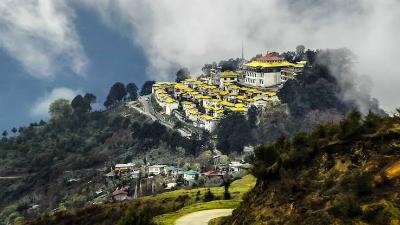
Arunachal Pradesh is where the Seven Sisters become more alpine and remote. The most accessible trail base is often Tawang, where you can combine monastery visits with short walks around nearby lakes, passes, and ridges. The road journey itself is part of the experience, with long but scenic drives from places like Bomdila and Dirang. From Dirang, trails through villages and valley floors are good for acclimatisation and easy exploration.
If you have more time, add Sela Pass and surrounding high-altitude areas to your route, but do not rush. Altitude can affect you, so build in a day to slow down after arrival. For travellers who prefer a less strenuous experience, the nature walks around Dirang and the orchard-lined areas near Ziro are excellent. Ziro is especially pleasant from September to March, when the weather is cool and the paddy fields, hills, and bamboo groves create peaceful walking routes.
Distances in Arunachal sound short on paper but take time on the road. A drive that looks like 60-80 km can take several hours because of mountain conditions, so keep your trail days flexible. Accommodation commonly falls in the range of ?2,500-?6,000 per night, depending on the town and season.
Assam nature trails: tea gardens, wetlands, and river landscapes
Assam is perfect if you want nature without very demanding trekking. Around Jorhat and Dibrugarh, tea garden walks offer an easy, scenic start to your journey. The experience is especially pleasant in the cooler months, when mornings are misty and the light on the plantations is soft. Some estates allow guided visits; always ask permission rather than walking in unannounced.
For wildlife and wetland landscapes, Kaziranga National Park remains the standout. While much of Kaziranga is experienced through jeep safaris rather than hiking, the surrounding zone gives you a strong nature itinerary with grasslands, water channels, and excellent birdlife. If you enjoy slow travel, add Majuli, the river island in the Brahmaputra, for village walks, satras, and sandbar scenery. In the right season, ferry rides and riverside paths here make the pace feel very different from the hills.
Assam is one of the more budget-friendly parts of the region. Good stays can range from ?1,800-?4,500 per night, and local transport is relatively straightforward compared with the hill states. That makes it a useful base if you want to balance easy walks with more ambitious trail days in nearby states.
Nagaland, Manipur, Mizoram, and Tripura: quieter trails with strong local character
These four states are often less crowded on the tourist circuit, which is exactly why they appeal to travellers who prefer calm trails and local interaction. In Nagaland, areas around Kohima and Khonoma offer village walks, terraced hills, and forested routes that are ideal for a one- or two-day add-on. Khonoma in particular is known for community-based conservation, and walking here feels grounded and unhurried.
Manipur gives you the beautiful highland setting around Loktak Lake and nearby hill routes, though trail options depend on current local conditions and access. In Mizoram, walks around Aizawl and nearby ridges are best for travellers who like viewpoints, bamboo country, and cleaner, cooler air. Tripura has forest patches, hill areas, and heritage-linked walks around Unakoti and Jampui Hills, which can work well for a quieter nature-and-culture itinerary.
These states are best approached with flexibility. Road conditions, local permissions, and transport availability can change. If you want to include them in a trail-focused holiday, build buffer days and avoid planning tightly timed same-day transfers.
How to choose the right trail for your fitness level
One of the easiest mistakes is underestimating the Northeast because some walks begin near towns. The terrain is often steep, the weather can shift quickly, and stairs or root sections can be more demanding than expected. Before you book, think honestly about whether you want a gentle walk, a moderate day hike, or an all-day climb.
- Easy: tea garden walks in Assam, village strolls in Mawlynnong, viewpoint walks near Shillong
- Moderate: Mawphlang Sacred Forest, Khonoma village trails, Ziro valley walks
- Demanding: Nongriat root bridge trail, long climbs in Meghalaya, higher-altitude routes in Arunachal
If you are travelling with children or older parents, keep the itinerary flexible and do not try to cover too many trail-heavy locations in one trip. A two-base plan works best: one base for easier walks and one for a single big trail day.
What to pack and what to budget
Pack for changing weather. Even in dry season, mornings can be cool in the hills and warm by afternoon. Good walking shoes with grip are more useful than fashion footwear, and a light rain jacket is worth carrying nearly year-round in the Northeast.
- Non-slip walking shoes or trail shoes
- Light rain jacket and quick-dry clothing
- Refillable water bottle and ORS sachets
- Power bank, torch, and basic medicines
- Cash for rural areas where digital payment may be unreliable
A realistic budget for a trail-focused Seven Sisters trip varies widely. For a comfortable mid-range traveller, a 5-7 day plan may cost around ?18,000-?40,000 per person excluding major shopping, depending on flights, road transfers, and where you stay. Local homestays can reduce costs, while remote or high-demand areas can push them up. Entry fees, guide charges, and safaris should be confirmed on arrival or with your operator, as they change often.
Sample 7-day nature trail itinerary
If this is your first trail trip to the Seven Sisters, here is a practical route that balances scenery and travel time:
- Day 1: Arrive in Guwahati and transfer to Shillong.
- Day 2: Shillong local walks, Laitlum, and nearby viewpoints.
- Day 3: Cherrapunji waterfalls and forest stops.
- Day 4: Nongriat root bridge trail or a lighter alternative if you want an easier day.
- Day 5: Return via Mawphlang or move toward Assam for a change of landscape.
- Day 6: Kaziranga or Majuli for river and wetland scenery.
- Day 7: Departure, or extend toward Nagaland or Arunachal if you have more time.
This is only a model. If mountain roads and long transfers do not appeal to you, choose one state and do it properly rather than rushing across all seven.
Frequently Asked Questions
Which state in the Seven Sisters is best for beginner-friendly nature trails?
Meghalaya is usually the easiest place to start, especially around Shillong, Mawphlang, and Cherrapunji. You can mix short walks with waterfalls and viewpoint stops without needing a full trekking setup. Assam is also very manageable if you prefer lighter walks and wildlife-focused days.
Do I need a guide for these trails?
For some trails, yes, and for others it is strongly recommended. In places like Mawphlang Sacred Forest, Nongriat, and several village-based routes, a local guide adds safety and context. Even where a guide is not mandatory, hiring one supports local livelihoods and helps with navigation.
Are the trails safe for solo travellers?
Many routes are safe if you stay on known trails, start early, and keep local contacts informed. That said, terrain, weather, and mobile coverage can be unpredictable, especially in remote hill areas. Solo travellers should avoid late starts, check road conditions, and use trusted local transport.
How many days do I need for a good Seven Sisters nature trip?
For a meaningful introduction, plan at least 5-7 days. That gives you enough time for one hill state, one easy nature base, and a buffer for road travel. If you want to include Arunachal or spread across multiple states, 10-14 days is much more realistic.
Can I visit during the monsoon?
You can, but it requires patience and flexibility. Waterfalls are impressive and the landscape is deeply green, yet landslides, muddy trails, and road delays are common. If your main goal is safe walking and clear views, the post-monsoon and winter months are better.
What should I confirm before booking?
Check road conditions, permit rules for the state you are entering, stay availability, and whether your chosen trail needs a guide or local entry fee. Timings, prices, and transport schedules change frequently in this region. It is always smarter to confirm close to your travel date rather than rely on old online information.
The Seven Sisters are ideal for travellers who want nature with character: real trails, local culture, and scenery that changes every few hours on the road. If you choose the right season, keep your itinerary realistic, and leave room for slow travel, this region will reward you far more than a packed checklist ever could.
If this guide helped you plan your Seven Sisters adventure, share the post with someone who loves nature travel.
Disclaimer : The information provided in this blog is for general informational purposes only. While we strive to keep the content accurate and updated, TravelSetu assumes no liability for errors or omissions. If you believe any part of this blog infringes your rights or causes concern, please notify us immediately at info[at]travelsetu[dot]com so that appropriate action can be taken.