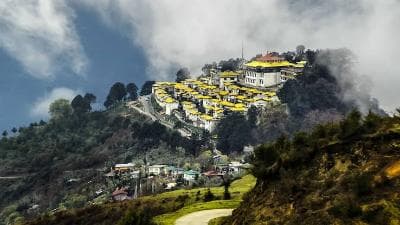
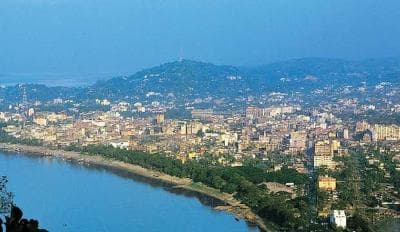
If you are planning a trip to Northeast India and wondering whether the monsoon and shoulder months are worth it, this guide is for you. The Seven Sisters—Arunachal Pradesh, Assam, Manipur, Meghalaya, Mizoram, Nagaland and Tripura—change character in the off season, and that shift can work in your favour if you travel with a little flexibility. You will come away knowing what the off season really offers, where it helps the most, and how to plan smartly without wasting money or time.
What “off season” means in the Seven Sisters
In the Seven Sisters, the off season usually overlaps with the monsoon months from June to September, and in some places the colder shoulder period from late January to early March can also feel quieter. This is not one single weather window across all seven states, because the region has hills, valleys, river plains and border areas with very different conditions. Still, if you are looking for lower prices, fewer crowds and a more relaxed pace, these months often give you a real advantage.
For practical planning, think of the off season as the time when tourist demand drops and travel becomes more negotiable. You may face rain, muddy roads or altered sightseeing schedules, but you also get a version of the region that feels less rushed and more local. For many Indian travellers, that trade-off is exactly what makes the Seven Sisters off season appealing.
Benefit 1: Lower hotel and transport costs
The most obvious benefit of travelling in the off season is the price drop. In popular towns such as Shillong, Guwahati, Gangtok-style hill towns nearby are outside this article, so stay focused on local destinations like Cherrapunji, Tawang, Kaziranga, Imphal and Kohima, you can often find better room rates than in peak holiday periods. A standard mid-range hotel room that may cost Rs.3,500-Rs.6,000 per night in a busy festive week can sometimes come down to around Rs.2,000-Rs.4,000 in quieter months, depending on the location and property.
Taxi and tour vehicle availability can also improve if you book early enough. In some places, local drivers are more open to negotiation when demand is softer, though rates still vary by terrain and distance. As always, confirm current prices before booking because fuel costs, road conditions and local events can change the market quickly.
Benefit 2: Fewer crowds at key attractions
The Seven Sisters are best known for places that can get busy when the weather is pleasant: waterfalls around Cherrapunji and Sohra, the living root bridge routes in Meghalaya, the riverfront and tea garden circuits in Assam, and the cultural hotspots around Imphal, Kohima and Aizawl. In off season, these places usually feel calmer. You can spend more time at each stop, get better photos without waiting for a gap, and move through your itinerary without feeling rushed.
This matters most if you dislike crowded viewpoints or long queues for entry tickets and parking. In places like Kaziranga National Park, for example, the peak season safari rush can be intense. If you travel in the quieter shoulder months when safari operations are open, you may have a more relaxed experience, though park closures during the heavy monsoon are common and you should check the official schedule before planning.
Benefit 3: Lush landscapes and full water bodies
One of the strongest reasons to consider the off season is the landscape itself. Northeast India becomes intensely green after the first few good showers. Waterfalls such as Nohkalikai near Cherrapunji, Elephant Falls near Shillong, Vantawng in Mizoram and many unnamed hillside falls in Arunachal and Nagaland look fuller and more dramatic. Rivers and streams also run stronger, which adds energy to the scenery even on days when you do not go far.
If you are a photography lover, the monsoon can be a gift. The hills around Mawlynnong, Dawki, Ziro, Ukhrul and the tea country of upper Assam often have soft light, mist and saturated greens that are hard to find in the dry season. Just remember that rain changes the colour palette, not always the visibility. Some days will be cloud-heavy, and viewpoints may be wrapped in fog, so plan for mood rather than postcard-perfect blue skies.
Benefit 4: Easier access to local experiences
Off season travel often brings you closer to everyday life. With fewer domestic tourists around, homestays in villages around Majuli, Ziro, Mawphlang, Tawang, Dzukou approach areas and rural parts of Tripura can feel more personal. Hosts usually have more time to talk, meals are less hurried, and you are more likely to learn about local customs, food and seasonal routines.
This is especially useful if your interest goes beyond sightseeing. You may get a better look at handloom weaving in Tripura, local Naga food traditions, Khasi village life in Meghalaya, Assamese tea culture or the rhythms of market days in Manipur and Mizoram. The off season is often the best time to slow down and experience the region as a living place, not just a checklist of attractions.
Benefit 5: Better room for flexible itineraries
Travel in the Seven Sisters usually requires buffer time anyway, because roads can be narrow, landslides can happen, and weather can change within hours. In the off season, once you accept that flexibility is part of the trip, the whole journey becomes easier to shape. You can start early, wait out a rain burst over tea, switch sightseeing order, or choose a covered market visit instead of a long outdoor drive.
A practical trip might look like this: 2 nights in Guwahati, 2 nights in Shillong or Cherrapunji, 1-2 nights in Kaziranga, 2 nights in Kohima or Imphal, and then extend depending on weather and road conditions. If you are travelling by air, Guwahati, Imphal, Agartala, Shillong and Dibrugarh are among the key gateways, though flight schedules and connectivity should be checked well in advance. Shorter, flexible hops work better than overpacked point-to-point movement.
Benefit 6: Good value for photographers and slow travellers
If you enjoy taking your time, the off season gives you better value. You are not paying premium rates just to spend five minutes at a viewpoint or 15 minutes in a queue. Instead, you can linger in a café in Shillong, spend longer at the Umiam side of the route, walk slowly through markets in Imphal or Aizawl, and return to your stay before the roads become tricky in the evening rain.
For photographers, the benefits are not only visual. Less traffic means cleaner frames, and the misty atmosphere can add depth to landscapes. You will need to protect your camera gear with dry bags or rain covers, but the payoff can be excellent if you are patient. The off season rewards travellers who are comfortable with waiting, detours and imperfect weather.
Where the off season works best in the Seven Sisters
Not every state responds to off season travel in the same way. Some destinations remain more practical than others depending on rainfall, altitude and road access. If you are planning around the monsoon, a thoughtful shortlist helps.
| Destination | Why off season works | What to watch for |
|---|---|---|
| Shillong and Sohra, Meghalaya | Waterfalls are full, hills are green, crowds are lighter | Heavy rain, slippery roads, fog at viewpoints |
| Kaziranga, Assam | Quieter atmosphere in shoulder months, good for slow planning | Park closures or restricted access during peak monsoon |
| Imphal and nearby Manipur circuits | Better hotel value and a calmer city experience | Check local conditions and road updates before travel |
| Kohima and nearby Nagaland circuits | Comfortable for cultural travel when roads are open | Weather can affect hill driving and village access |
| Agartala and Tripura | Easier urban sightseeing, temples and heritage spots at relaxed pace | Rain may affect short excursions |
| Arunachal hill routes | Best for travellers who accept flexible plans and scenic drives | Permit rules, road blocks and weather-related delays |
How to plan smartly for an off season trip
The trick is to travel prepared rather than optimistic. Book stays with flexible cancellation if possible, and keep one buffer day in your itinerary if you are heading into the hills. Carry a rain jacket, waterproof footwear, quick-dry clothing, a power bank and a dry bag for documents and electronics. In many places, a small umbrella is useful, but a proper rain layer is better for long walks.
Keep your transport plan realistic. If you are driving or hiring a car, avoid pushing long hill stretches after dark. Road conditions can change quickly in the monsoon, especially in Arunachal Pradesh, Meghalaya and Nagaland. Food stops are often part of the experience anyway, so allow time for that rather than scheduling everything to the minute.
Budget-wise, a comfortable off season trip can sometimes be planned at roughly Rs.4,500-Rs.8,000 per person per day for mid-range travel, depending on the state, vehicle use and hotel category. Budget travellers can spend less with homestays and shared transport, while premium private trips can obviously go much higher. These are indicative figures only, so confirm current rates before booking.
What you may sacrifice by travelling off season
The off season is not perfect, and it helps to be clear-eyed about that. Some outdoor activities may be unavailable, some parks may operate on reduced schedules, and landslides or heavy rain can disrupt plans. Views can disappear behind clouds, especially in higher hill zones. If your main goal is guaranteed sunshine, off season is not the right bet.
That said, this is less of a warning and more of a planning note. If you go in knowing that the weather may shape your route, you will enjoy the trip more. The off season in the Seven Sisters works best when you travel for atmosphere, not just for ticking off attractions.
Frequently Asked Questions
Is the monsoon a bad time to visit the Seven Sisters?
Not necessarily. It depends on the kind of trip you want. If you want dry roads, fixed sightseeing and predictable weather, peak season is easier. If you are happy with greenery, lower prices and fewer crowds, the monsoon can be a very rewarding time.
Which Seven Sisters state is easiest to visit in the off season?
Assam and Tripura are usually easier for more flexible off season travel because they have stronger urban access and fewer altitude-related road issues than some hill districts. Meghalaya can also work well if you are careful with rain and road conditions. Arunachal, Nagaland and parts of Manipur require more planning and weather checks.
Can I visit Kaziranga in the monsoon?
Sometimes, but you should check the current park schedule before you decide. National parks in the region often close or reduce activity during heavy monsoon periods for safety and conservation reasons. If wildlife viewing is your priority, choose the months when safari operations are officially open.
How many days should I keep for an off season Northeast trip?
A 7-10 day trip is a sensible starting point if you want to cover one or two states without rushing. If you want to include hill districts, cultural stops and buffer time for weather, 10-14 days is much better. Short trips can work too, but they should be narrow in scope.
What kind of clothes should I pack?
Carry light layers, a proper rain jacket, quick-dry clothes and sturdy shoes with grip. If you are going to high-altitude or windy areas like Tawang or some parts of Nagaland and Meghalaya, add a warmer layer even in the monsoon months. A second pair of shoes is useful if one pair gets soaked.
Are permits needed for all Seven Sisters states?
No, not for all of them, but some areas do have permit requirements, especially in Arunachal Pradesh and in certain protected or border regions. The rules can change, so confirm them before booking. Your travel operator or hotel can usually help you understand the latest process.
Conclusion
The Seven Sisters off season is not about perfect weather. It is about lower costs, lighter crowds, richer greenery and a slower, more human travel experience. If you plan carefully and keep your itinerary flexible, this can be one of the most satisfying ways to explore Northeast India.
If this guide helped you think differently about off season travel in the Seven Sisters, please share this post with someone planning a Northeast India trip.
Planning a Seven Sisters trip?
Tell us your dates and who is travelling. Up to three local travel companies send you their itinerary and price.
Get free quotesDisclaimer: The information in this blog is for general information only. We try to keep it accurate and up to date, but TravelSetu accepts no liability for errors or omissions. If you believe any part of it infringes your rights, please write to info@travelsetu.com.