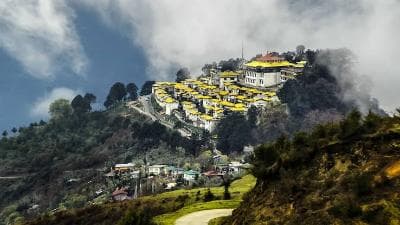
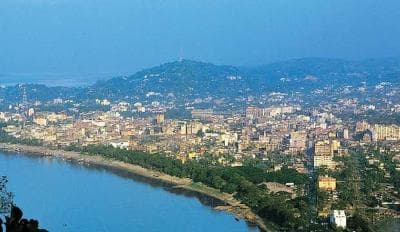
If you are planning a relaxed trip across Northeast India, this guide is for you. The Seven Sisters are not only about mountains, lakes and monasteries; they also have some of the region’s most pleasant parks, public gardens, riverfronts and open spaces where you can slow down and really feel the place. Here you will find practical ideas on where to go, when to visit and how to build an easy, low-stress itinerary around the Seven Sisters.
Why Parks and Public Spaces Matter in the Seven Sisters
When people think of the Seven Sisters, they often picture long drives, tea gardens, waterfalls and village stays. But the parks and public spaces across Assam, Arunachal Pradesh, Meghalaya, Manipur, Mizoram, Nagaland and Tripura are equally important for travellers. They give you a softer introduction to the region: morning walks, local families out for an evening stroll, hill views, lakeside benches, and clean public grounds that are ideal after a day of road travel.
These spaces are also useful if you are travelling with children, older parents or a mixed group with different energy levels. You do not need a packed adventure schedule to enjoy the Seven Sisters. A few hours in a well-kept park can balance out a week of sightseeing and long road transfers.
Best Parks and Public Spaces by State
Assam: Guwahati’s Urban Greens and Riverfronts
For many travellers, Assam is the entry point to the Seven Sisters, and Guwahati is where your public-space sightseeing may begin. Umananda Island on the Brahmaputra is small but memorable, especially if you take the short ferry ride and spend time near the ghats. The riverfront areas around the city are also good for evening walks, with cool breezes in the months from October to March.
Nehru Park in the heart of Guwahati is a simple option if you want a landscaped break between temple visits and shopping. It is best for a short stop, not a full-day outing. If you are in the city with children, parks near the main residential and commercial belts usually offer open lawns, seating areas and space to unwind after traffic-heavy sightseeing.
Arunachal Pradesh: Itanagar’s Calm Open Spaces
In Arunachal Pradesh, many travellers spend time in and around Itanagar before moving deeper into the hills. The city’s parks and public grounds are valuable because they offer a gentler introduction to the state’s terrain. The Indira Gandhi Park in Itanagar is one of the better-known city greens, with walking areas and enough open space for a relaxed visit.
If your route includes places such as Naharlagun or the Lower Subansiri side, keep an eye out for local public gardens and viewpoint areas. In Arunachal, the real charm is often not in grand city parks but in the combination of public grounds, ridge views and clean neighbourhood spaces where you can stop without rushing.
Meghalaya: Shillong’s Lake Parks and Promenades
Shillong is one of the most pleasant city bases in the Seven Sisters, and its parks and public spaces fit the city’s easy pace. Ward’s Lake is a favourite for travellers because it sits right in the city and works well for a quiet walk, a boat ride and a coffee break nearby. It is especially enjoyable in the cool months from September to May.
Lady Hydari Park is another useful stop if you want a neat, maintained garden with walking paths and family-friendly surroundings. Meghalaya also offers public spaces with strong local character, such as the open areas around Shillong’s markets and viewpoints. These are not “parks” in the classic sense, but they help you understand how the city lives and moves.
Manipur: Imphal’s Community Parks and Lakeside Spaces
Manipur’s capital, Imphal, gives you some of the most walkable public areas in the region. Kangla, the historic centre of the old kingdom, is not just a heritage site; it is also a large open public space where you can spend a few unhurried hours. The grounds are ideal for travellers who like history without the pressure of constant movement.
Loktak Lake is outside the city, but if your route includes the nearby public viewpoints and lakeside stops, you will see how strongly water and open space shape local life here. In Imphal, public gardens and town squares often double as evening gathering spots, so a short walk after sunset can feel very local and comfortable.
Mizoram: Aizawl’s Hilltop Viewpoints and Parks
Mizoram’s capital, Aizawl, is built on hills, so its public spaces are shaped more by viewpoints and terraced open areas than large flat parks. Reiek, on the outskirts, is a popular excursion for travellers who want a mix of greenery, walking trails and wide views. It works well as a half-day outing from the city.
Inside Aizawl, smaller gardens and public squares offer a calm pause between church visits, shopping and meals. In this state, even a simple open terrace can feel like a public space worth lingering in because the views are part of the experience. Carry a light jacket if you are visiting from November to February; evenings can get cool.
Nagaland: Kohima’s Open Grounds and Heritage Spaces
Kohima is one of the best places in Nagaland to combine history, public space and mountain air. The Kohima War Cemetery is not a park in the usual sense, but it is a beautifully maintained public space where you should move slowly and respectfully. It is especially meaningful if you are interested in World War II history and the Battle of Kohima.
For a more relaxed outing, Kohima’s local open grounds and ridge-facing public areas are worth your time. If you travel during the Hornbill Festival season in December, the public spaces around Kisama become much more active, with cultural pavilions, walking areas and performance grounds. Outside festival days, the same region is quieter and better for reflective visits.
Tripura: Agartala’s Gardens, Lakes and Civic Spaces
Tripura often surprises travellers with how pleasant its public spaces are. In Agartala, Neermahal is the headline attraction if you are combining heritage with open water views, though it is better known as a palace-lake experience than a park. For actual urban greenery, Ujjayanta Palace surroundings and landscaped city areas offer a neat way to break up your sightseeing.
Public gardens and lakefronts in and around Agartala are useful if you want a slower final leg to your Seven Sisters trip. They are easy on the body after long road journeys and give you space to sit, eat and watch local life go by. If you are planning a multi-state itinerary, Tripura can be a gentle place to wind down.
How to Plan a Parks-Focused Trip Across the Seven Sisters
A parks-and-public-spaces trip in the Seven Sisters works best when you do not try to cover too much in one go. The region is spread out, road journeys take time, and the experience is better when you leave room for weather, traffic and slow afternoons. For most travellers, a 7-10 day trip is a sensible starting point if you want to see 3-4 states with some breathing room.
A practical route could begin in Guwahati, move to Shillong, continue to Imphal or Kohima depending on your interests, and then add Aizawl or Agartala if you have extra days. If you prefer a lighter plan, focus on one state and nearby city parks rather than chasing all seven. This is especially useful for families and senior travellers.
| City/Area | Good For | Best Time | Typical Visit Length |
|---|---|---|---|
| Guwahati | Riverfront walks, easy city breaks | October to March | 1-3 hours |
| Shillong | Lakes, gardens, family strolls | September to May | 2-4 hours |
| Imphal | Historic open spaces, calm walks | October to March | 2-4 hours |
| Kohima | Heritage grounds, hill views | November to February | 1-3 hours |
| Agartala | Gardens, lakes, relaxed city touring | October to March | 2-4 hours |
Best Time to Visit and What to Expect
The most comfortable season for parks and public spaces in the Seven Sisters is generally from October to March. The weather is cooler, walking is easier, and outdoor spaces are more enjoyable. In Shillong, Kohima and Aizawl especially, the climate can feel distinctly fresh in the mornings and evenings.
From June to September, monsoon rain can make paths slippery and reduce visibility in hill areas. That does not mean you should avoid the region entirely, but you should build in more buffer time and carry rain gear. Some parks may still be pleasant after a shower, yet road delays are more common during this period.
Getting Around: Practical Travel Tips
Most public spaces in the Seven Sisters are easiest to reach by car, taxi or a pre-booked local vehicle. Public transport exists, but for travellers on a short holiday, point-to-point travel saves time and effort. If you are moving between states, allow extra hours for hilly roads and check local conditions before setting out.
- Carry cash: Small entry fees, snacks and parking charges are often easier to pay in cash.
- Start early: Mornings are better for walking, photos and avoiding traffic.
- Dress in layers: Hill weather changes quickly, especially in Meghalaya, Nagaland and Mizoram.
- Respect local rules: Some sites have restricted areas, photography limits or specific visiting hours.
- Confirm before you go: Timings, fees and access rules can change seasonally or due to local events.
Sample Itinerary for a Slow and Comfortable Trip
If you want a balanced, park-friendly journey, try this simple format: 2 nights in Guwahati, 2 nights in Shillong, 2 nights in Imphal or Kohima, and 1-2 nights in Agartala or Aizawl if time allows. That gives you enough space to enjoy city gardens, lakes, heritage grounds and local evening walks without making the trip feel rushed.
For a shorter 5-day plan, focus on Guwahati and Shillong. You will get a good mix of riverfronts, lakes, gardens and easy public spaces, and you will spend less time on the road. This is also a sensible option if you are travelling with children or planning your first Northeast trip.
Food, Rest Stops and Nearby Add-Ons
One advantage of parks and public spaces in the Seven Sisters is that they are usually close to local food areas. In Guwahati and Shillong, you can easily combine a park visit with tea stalls, bakeries and simple lunch spots. In Imphal and Agartala, local markets and food counters are often within a short drive of the main public attractions.
If you want to extend your outing, pair a park with a nearby market or heritage site rather than trying to fit in too many disconnected stops. For example, a Ward’s Lake visit in Shillong works well with a leisurely city meal, while Kangla in Imphal can be paired with a half-day city tour. This keeps the day natural and manageable.
Frequently Asked Questions
Which city is best for parks and public spaces in the Seven Sisters?
Shillong is one of the most comfortable cities for a relaxed park-focused visit, especially because of Ward’s Lake and Lady Hydari Park. Guwahati is also very practical since it is easier to reach and has several riverfront and urban green spaces. If you like history mixed with open areas, Imphal and Kohima are excellent choices.
How many days should I keep for this kind of trip?
For a single-state city break, 2-3 days is enough. If you want to include multiple states, plan at least 7-10 days so the travel does not become tiring. The Seven Sisters reward slower pacing, so it is better to see fewer places properly than to rush through many of them.
Are these parks suitable for children and senior travellers?
Yes, most of the well-known parks and public spaces in the main cities are suitable for families. The key is to avoid overpacked days and keep travel distances reasonable. If you are travelling with seniors, choose places with short walks, seating and easy access rather than steep or remote viewpoints.
What is the rough budget for visiting these places?
Many parks have low entry fees or no fee at all, though some charge a small amount. A comfortable city-based day out, including transport, food and entry charges, may cost around Rs.800-Rs.2,500 per person depending on the city and vehicle type. If you are booking hotels, mid-range stays across the region often fall around Rs.2,500-Rs.5,000 per night, but prices vary by season and location.
Is it easy to visit parks during the monsoon?
You can still visit, but you should expect rain, slippery paths and occasional road delays. Some public spaces remain pleasant after light showers, especially if you keep your schedule flexible. Always check local weather before leaving your hotel and allow extra time for return travel.
Do I need permits for park visits in the Seven Sisters?
For most city parks and public spaces, you do not need special permits. However, travel rules can differ across states and districts, especially in border or protected areas nearby. It is wise to confirm current requirements with your hotel, driver or local tourism office before booking the trip.
Conclusion
The Seven Sisters are often described through their landscapes, but their parks and public spaces reveal the region’s everyday rhythm just as clearly. If you give yourself time in Guwahati, Shillong, Imphal, Kohima, Aizawl or Agartala, you will see how locals use these spaces to walk, talk, rest and enjoy the climate. That slower perspective can make your Northeast trip feel richer and far less rushed.
If you found this guide useful, share the post with someone planning a trip to the Seven Sisters.
Planning a Seven Sisters trip?
Tell us your dates and who is travelling. Up to three local travel companies send you their itinerary and price.
Get free quotesDisclaimer: The information in this blog is for general information only. We try to keep it accurate and up to date, but TravelSetu accepts no liability for errors or omissions. If you believe any part of it infringes your rights, please write to info@travelsetu.com.