Seven Sisters Rail Heritage Sites
If you are planning a rail-focused trip through the Seven Sisters, this guide will help you trace the region’s most interesting railway stories without getting lost in vague recommendations. From century-old stations and meter-gauge memories in Assam to the newer mountain approaches that make rail travel in the Northeast feel so distinct, you will come away with a practical route, useful timings, and the right expectations for a heritage-minded journey.
Why the Seven Sisters are special for rail heritage travellers
The Seven Sisters do not have one single “rail heritage circuit”; instead, they offer a layered story of colonial-era connectivity, meter-gauge expansion, post-Independence integration, and modern broad-gauge engineering. For Indian travellers, that makes the region especially rewarding. You are not just seeing stations; you are seeing how railways shaped tea, timber, trade, migration, and hill travel across Assam, Tripura, and the surrounding states.
The most rewarding approach is to combine a few heritage stations with scenic day trips and museum stops. In the Northeast, rail travel is still limited compared with western or southern India, so planning matters. Distances can look short on a map, but road transfers often take longer than expected, and train frequency is thinner than in larger rail hubs.
Start with Assam: the strongest rail heritage base
Guwahati railway station and the Brahmaputra gateway
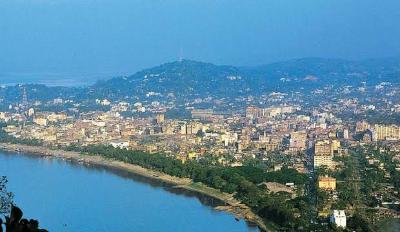
Guwahati is the natural starting point for any rail heritage itinerary in the Seven Sisters. The station is not “old-world” in the postcard sense, but it is historically important as the key rail gateway into the Northeast. For many travellers, this is where the region’s railway story becomes tangible: trains arriving from the plains, luggage piled high, tea and local snacks in the station area, and onward movement toward upper Assam.
Spend time observing the station approach and the surrounding city if you enjoy railway photography and operational bustle. The best time to be here is morning or late afternoon, when the light is gentler and the platforms are active but not chaotic. If you are combining heritage with comfort, stay in Guwahati for 1-2 nights; decent mid-range hotels usually fall around ?2,500-?5,000 per night, while premium stays can go well beyond that.
Kamakhya station and the old transport rhythm
Kamakhya station is especially useful for understanding how rail travel in Assam is tied to pilgrimage and regional movement. It handles substantial traffic because of the Kamakhya temple, and that gives it a travel culture very different from a purely commuter station. The area around the station is busy, practical, and alive with movement from dawn to night.
For rail heritage travellers, Kamakhya matters because it represents the everyday role of rail in linking devotional and commercial travel. You will not find elaborate colonial detailing everywhere, but you will find the living history of a station that has served generations. If you are continuing to lower Assam or moving toward the hills, this is often a useful break point.
Upper Assam: Dibrugarh, Tinsukia and tea-country rail memory
If you want the most atmospheric rail journey in Assam, head toward upper Assam. Dibrugarh and Tinsukia are closely tied to tea gardens, oil activity, and the railway’s role in moving produce and workers. The stations themselves are modernised to varying degrees, but the broader rail landscape is still soaked in the history of plantation-era logistics.
Dibrugarh is about 430-450 km from Guwahati by road depending on route, and train travel can take much of a day or overnight depending on service. Tinsukia is another useful rail stop if you want to build a broader tea-country itinerary. For many visitors, this part of Assam is where rail heritage feels most connected to landscape rather than museum display.
Jorhat and the tea belt: where narrow-gauge memories linger
Jorhat is important for travellers interested in Assam’s tea economy and older transport systems. While not all of the historic narrow-gauge infrastructure survives in active use, the district still carries a strong legacy of plantation transport and early rail development. The surrounding tea gardens and old-town feel make it a good stop for anyone trying to understand how railways supported Assam’s commercial growth.
Pair Jorhat with nearby heritage and tea experiences rather than expecting a single large “rail museum” format. Travelling between Guwahati and Jorhat generally takes several hours by road or rail, so allow at least 2-3 nights if you want to do this properly. Budget roughly ?1,800-?4,500 per night for practical accommodation, depending on the season and location.
Tripura’s rail story: small state, big transformation
Agartala station and the change from isolation to connection
Tripura is one of the most interesting states in the Seven Sisters for rail history because its rail development dramatically changed regional access. Agartala station symbolises that shift. It represents the move from a relatively isolated state capital to one connected by broad gauge to the rest of India, transforming travel, trade, and mobility for residents.
As a heritage traveller, you should think of Agartala as a “modern heritage” stop. The station may not look ancient, but the story behind it is significant. Visit the city’s local markets, old settlement areas, and public spaces to get a sense of how rail connectivity altered everyday life. A 1-2 night stay is usually enough unless you are combining the trip with borderland or temple travel.
Udaipur and the memory of railway expansion
Udaipur in Tripura is another place worth including if you want to understand how the rail network spread deeper into the state. It does not have the scale of larger railway junctions, but it is valuable for showing how connectivity moved beyond the capital. The route itself is as important as the station, since you see the shift from urban edges to quieter landscapes.
Rail services and road connections in Tripura are relatively compact compared with Assam, so this is a manageable state to cover in a short time. Keep your plans flexible and check train timings before travelling, as services can change seasonally.
Meghalaya and the rail-adjacent heritage experience
Meghalaya does not have the same dense railway legacy as Assam or Tripura, but it still belongs in a rail heritage itinerary because of proximity and movement patterns. The closest major railheads, especially in lower Assam, shaped how travellers entered Meghalaya for years. For many older routes, the rail journey ended at the edge of the hills and continued by road into Shillong, Cherrapunji, or Jowai.
If you are based in Guwahati, a day trip or overnight trip to Shillong helps you understand the old transport corridor. The drive from Guwahati to Shillong is usually around 2.5-3.5 hours depending on traffic and weather. This is not a station-heavy experience, but it helps explain how rail and road worked together in the Northeast before broader rail expansion.
Arunachal Pradesh, Nagaland, Manipur and Mizoram: what to expect from rail heritage here
Arunachal Pradesh
Arunachal Pradesh has very limited operational rail presence compared with Assam and Tripura, so your rail heritage interest here will be more about proposed, recent, and access-linked infrastructure than old stations. If you are travelling to places like Itanagar or nearby entry points, treat the rail part as an access story rather than a heritage circuit. The real experience often lies in how the landscape and road network connect back to the nearest railheads in Assam.
Nagaland
Nagaland’s rail footprint is also limited, which means heritage travellers usually use nearby stations in Assam as the starting point before continuing by road. If you are visiting Dimapur, remember that it is one of the key rail-linked entry cities for Nagaland and an important commercial stop. This gives it practical significance even if it is not a classic heritage station in the older colonial sense.
Manipur and Mizoram
In Manipur and Mizoram, rail heritage is best understood through evolving connectivity rather than a dense network of historic stations. Recent rail extensions and terminal points are more relevant than old-world architecture. For these states, the rail story is about integration, access, and the challenge of building links through difficult terrain. If you want a heritage-focused trip, use your time here to compare what rail means in a state with established connectivity versus one where it is still developing.
Suggested 5-7 day rail heritage itinerary
If you want a practical route that balances history, comfort, and realistic travel times, use Assam and Tripura as your anchors. A full Seven Sisters rail heritage circuit is possible only in a very broad sense because of distances and uneven rail access, so it is better to travel smart than try to overpack the trip.
- Day 1: Arrive in Guwahati, explore Guwahati station and the Brahmaputra-side city.
- Day 2: Visit Kamakhya station, then travel to a nearby town or stay for another railwatching day.
- Day 3: Move to Jorhat or Tinsukia/Dibrugarh for tea-country rail context.
- Day 4: Continue deeper into upper Assam or return toward Guwahati.
- Day 5: Fly or travel to Agartala, Tripura, and explore the station area.
- Day 6: Add Udaipur or another Tripura stop depending on train availability.
- Day 7: Buffer day for returns, delays, or a Shillong extension by road.
This kind of itinerary works best if you combine train, road, and sometimes flight segments. You should not assume a perfect daily train chain across the Northeast; confirm schedules well in advance, especially during monsoon months and holiday periods.
Best time to travel and practical costs
The most comfortable time for rail heritage travel in the Seven Sisters is generally October to April. The weather is more manageable, station visits are pleasant, and road transfers are less stressful than during heavy rains. June to September can still be rewarding if you are prepared for delays, but weather disruptions are more likely, especially in hill and flood-affected stretches.
| Expense | Indicative range | Notes |
|---|---|---|
| Mid-range hotel | ?2,500-?5,000 per night | More in Guwahati and around peak tourist dates |
| Budget hotel/guesthouse | ?1,200-?2,500 per night | Basic but workable in smaller towns |
| Intercity train ticket | ?200-?1,500+ | Depends on class and distance |
| Local taxi/day hire | ?2,000-?5,500 per day | Higher for long hill drives or full-day sightseeing |
| Meals | ?200-?700 per person per day | Station food and local restaurants are often good value |
These are only indicative figures and can shift with season, fuel costs, demand, and booking timing. Always check current prices and train availability before locking your plan.
Frequently Asked Questions
Which state in the Seven Sisters is best for rail heritage travel?
Assam is the strongest choice because it has the most active rail network, the most meaningful station history, and the easiest mix of heritage and practical travel. Tripura is also excellent if you want to understand how rail connectivity transformed a smaller state. If you have limited time, start with Guwahati, Kamakhya, and one tea-belt destination.
Are there old heritage trains still running in the Northeast?
There are no widely marketed heritage toy trains in the Seven Sisters like you might find in some other parts of India. What you will find instead is a living rail history through older station towns, route development, and the story of gauge conversion and connectivity. That makes the experience more about context than novelty rides.
Can I cover all Seven Sisters by train alone?
No, not realistically. Rail coverage is uneven across the Northeast, and several states still depend heavily on road travel after reaching the nearest station. A mixed itinerary with train, road, and sometimes flight is the smartest way to travel.
Is this a good trip for families?
Yes, especially if you keep the route sensible and avoid overambitious transfers. Families usually do well with a base in Guwahati and 1-2 side trips to nearby rail-linked towns or Assam tea regions. Book comfortable stays and leave buffer time between connections.
Do I need special permits for rail travel in these states?
For most rail-linked tourist travel in Assam and Tripura, you do not need a special permit. Some other Northeastern states have different entry requirements for certain visitors, and rules can change, so confirm before you travel. If your itinerary crosses into Arunachal Pradesh or other sensitive areas, check the latest regulations carefully.
What should I pack for a rail heritage trip here?
Carry light rain protection, comfortable walking shoes, copies of your ID, power backup for phones, and a flexible schedule mindset. In monsoon and shoulder seasons, delays can happen on roads and trains alike. A small day bag with snacks and water is also useful during longer station waits.
Final thoughts
Seven Sisters rail heritage is not about one famous train line or one perfect museum stop. It is about reading the region through its stations, junctions, tea belts, borderland connections, and the changing shape of access across Assam, Tripura, and the wider Northeast. If you travel with patience and curiosity, the railway story here feels both practical and deeply human.
Share this post with someone planning a Northeast trip so they can build a smarter, more meaningful rail heritage journey.
Disclaimer : The information provided in this blog is for general informational purposes only. While we strive to keep the content accurate and updated, TravelSetu assumes no liability for errors or omissions. If you believe any part of this blog infringes your rights or causes concern, please notify us immediately at info[at]travelsetu[dot]com so that appropriate action can be taken.