If your Seven Sisters trip has been washed into a grey, drizzly day, do not scrap the plan. The Northeast is often at its most atmospheric in the rains, and there are plenty of smart indoor and low-risk options that keep your journey moving without turning it into a soggy struggle. This guide is for travellers who want practical things to do across the Seven Sisters when the weather refuses to cooperate, along with local tips on time, cost and how to plan around the showers.
Why rainy day planning matters in the Seven Sisters
The Northeast sees heavy rain for a large part of the year, especially from May to September, and in hill states like Meghalaya, Arunachal Pradesh and Nagaland, showers can arrive with little warning. Roads can slow down, viewpoints can disappear into mist, and outdoor sightseeing may not be comfortable for long stretches. That is why it helps to keep a shortlist of indoor experiences, city-based stops and flexible activities that still feel worthwhile when the sky opens up.
In practical terms, rainy day travel here is about shifting your attention from landscapes to local life: museums, craft centres, cafes, monasteries, markets, textile studios and food stops. You will still experience the region, just in a different way.
Assam: museums, riverfront cafés and tea experiences in Guwahati
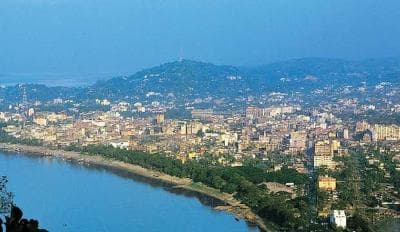
Guwahati is the easiest place to absorb a rainy day without losing time. If you are transiting through Assam, the city gives you enough indoor options for half a day or even a full day.
Start with the Assam State Museum
The Assam State Museum in Guwahati is a sensible first stop when weather ruins your outdoor schedule. It gives you a compact look at the region’s history, tribal culture, manuscripts, sculpture and folk objects. Plan for around 1.5 to 2.5 hours here, depending on your interest. Entry fees are usually modest, often in the range of Rs.20-Rs.100, but confirm the latest rate at the counter.
Slow down at a tea lounge or café
Rain and tea pair well in Assam. Head to a city café or a heritage tea lounge for Assam tea, light snacks and a quiet break while you wait for showers to ease. Budget roughly Rs.300-Rs.800 per person for tea, snacks and a simple meal, depending on where you stop. If you are staying near the airport or central Guwahati, this is also a good time to review your onward route, because road conditions can change quickly in heavy rain.
Use the riverfront only if the rain is light
The Brahmaputra riverfront can still be pleasant during light drizzle if you only want a short, sheltered stroll, but it is not the right choice during a steady downpour. Treat it as a bonus option rather than a fixed plan. If the rain is too strong, skip it and keep your movement limited to indoor spaces.
Meghalaya: rain-friendly stops in Shillong
Shillong is famous for rain, so the city is built, in a sense, for wet weather days. The trick is not to fight the climate, but to choose places where the rain adds mood without affecting your comfort.
Explore the Don Bosco Museum
The Don Bosco Museum is one of the most reliable rainy day options in the entire Northeast. It covers the culture, clothing, lifestyle and history of the Northeast in an organised, easy-to-follow way. If you only have one indoor stop in Shillong, make it this one. Set aside 2 to 3 hours, and expect an entry fee that is generally affordable, often around Rs.50-Rs.200 depending on the visitor type and current rules.
Spend time in cafés around Laitumkhrah and Police Bazar
Shillong’s café culture works very well on wet afternoons. In Laitumkhrah and around Police Bazar, you will find bakeries, coffee shops and small restaurants where you can wait out a spell of rain while still feeling connected to the city. A relaxed lunch or coffee stop typically costs Rs.250-Rs.700 per person. If you are travelling as a couple or family, this is also a good time to plan the next day’s drive to Cherrapunji, Dawki or Mawlynnong based on the forecast.
Visit a local market between showers
When the rain becomes lighter, markets such as Police Bazar can be useful for picking up shawls, local snacks, pickles and small souvenirs. Keep an umbrella handy and avoid carrying too much cash. The roads and footpaths can get slippery, so do not rush.
Arunachal Pradesh: monastery visits and cultural stops in and around Tawang and Itanagar
Arunachal’s mountain roads can be tricky in the rains, so rainy day plans here should be conservative. If you are in Tawang or Itanagar, focus on spiritually calm, structurally sound places and avoid long detours unless the roads are clearly open.
Choose monasteries over long drives
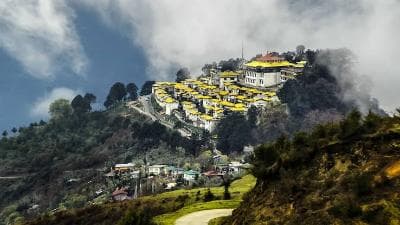
In Tawang, a monastery visit is a sensible low-stress choice when weather is uncertain. Indoor prayer halls, quiet courtyards and slower-paced exploration work better than trying to cover distant viewpoints in rain. You may spend 1 to 2 hours at a monastery complex, longer if you are interested in the details of local Buddhist tradition and daily rituals. Dress modestly and keep a respectful distance from prayer sessions.
Use Itanagar for a museum-focused day
If you are based in Itanagar, a museum or cultural centre is usually a better use of time than pushing out into the hills. Look for local heritage collections, craft displays and city restaurants where you can have a warm meal and wait out the weather. Meals in a simple local restaurant are often in the Rs.200-Rs.500 range per person, while a slightly nicer place may cost more.
Keep buffer time in your itinerary
Arunachal travel in monsoon needs slack. If you are planning multi-stop road trips, keep one spare half-day in your schedule so a rainy window does not disrupt your whole journey. A local driver who understands mountain conditions is worth the expense on wet days.
Nagaland: culture, food and craft days in Kohima and Dimapur
Nagaland works well for rainy day travel because culture here is often as much about conversation and food as it is about scenery. Kohima and Dimapur both offer options that do not depend on perfect weather.
Visit the Kohima War Cemetery and nearby indoor spaces only if the rain is light
The Kohima War Cemetery is open-air and dignified, so it is better for light rain than for heavy showers. If the weather is mild, a short visit can still be meaningful, but do not force a long stay if the pathways are wet and visibility is poor. Combine it with a café stop or museum visit rather than treating it as a stand-alone outing.
Try food-led experiences
On a rainy day in Nagaland, food can become the main event. Try local pork dishes, smoked preparations, rice-based meals and tea at a trusted restaurant in Kohima or Dimapur. A decent lunch for one can range from Rs.250-Rs.600, depending on the venue. This is also a good opportunity to ask locals about festivals, markets or the best dry-weather plan for the next day.
Browse local handicrafts
If you find a craft shop or market stall open, spend some time there. Woven textiles, beadwork and bamboo products give you a tangible sense of the state’s artistic identity. Carry a small bag if you plan to buy anything, since packaging can be basic.
Manipur: museums and calm city walks in Imphal
Imphal is one of the best places in Manipur for a wet-weather day because the city offers indoor cultural stops and enough food options to make a slow day worthwhile.
Look for a museum or heritage centre
A museum visit in Imphal is a practical way to understand Manipur beyond the rain. Expect to spend 1.5 to 3 hours at a well-curated collection, especially if you enjoy history, costume, dance or local craft traditions. Fees are generally reasonable, though you should check current opening times before heading out because hours can shift.
Plan a relaxed food circuit
Imphal’s eateries are useful on rainy days because they let you move comfortably between meals and short indoor stops. Tea, snacks and lunch can easily fill half a day without feeling wasted if you pick the right places. Keep your travel radius short so you are not stuck in traffic or dealing with waterlogged roads.
Mizoram and Tripura: easy city days when rain limits movement
In Mizoram and Tripura, a rainy day usually means reducing your ambition and staying close to the city core. That does not mean the day is lost; it simply means you should focus on manageable, low-friction experiences.
Aizawl: local cafés and city viewpoints only in breaks between showers
Aizawl’s steep roads can be awkward in the rain, so use cafés, indoor food stops and short drives only when the weather opens up. If you are staying in the city, take it slow and avoid trying to cover too many points in one day. A short lunch or coffee break may be all you need before returning to your hotel.
Agartala: palace visits, museums and food stops
Agartala gives you a stronger rainy day backup because you can combine palace-area heritage stops, museums and local dining without overextending yourself. Keep your itinerary compact, use a cab if roads are wet, and build in extra time between stops. For many travellers, a half-day around heritage sites plus a good meal is enough on a rainy afternoon.
What to pack and how to move around on rainy days
Smart packing makes a bigger difference in the Northeast than in many other parts of India. Light rain gear, good footwear and a flexible attitude can save an entire day.
- Foldable umbrella: easier to carry than a bulky raincoat for city sightseeing.
- Quick-dry footwear: sandals or shoes with grip are better than fabric sneakers.
- Small waterproof pouch: keep your phone, wallet and documents dry.
- Extra socks and a dry T-shirt: useful after a wet taxi ride or walk.
- Power bank: traffic and detours can drain your phone battery.
For transport, local taxis and hired cabs are usually more reliable than trying to depend on multiple short public transfers during heavy rain. If you are self-driving, avoid night travel on hilly roads in the monsoon and never assume a route is safe just because it looked fine earlier in the day. Check with hotel staff, drivers and local contacts before leaving.
A simple rainy day plan you can actually use
If your original sightseeing has been disrupted, do not try to cram too much into one day. A calm, realistic plan works better. For example, in Shillong you could start with the Don Bosco Museum in the late morning, take lunch in Laitumkhrah, spend the afternoon in a café, and leave the evening free in case the weather improves. In Guwahati, you could combine the Assam State Museum with tea and an early dinner. In Imphal or Agartala, choose one major cultural stop and one good meal, then rest.
That kind of pacing keeps you safe, dry enough, and still connected to the destination. It also leaves room for the weather to change, which it often does in the Northeast.
Frequently Asked Questions
Is it still worth travelling to the Seven Sisters during the rainy season?
Yes, if you plan properly. Rain changes the style of travel, but it does not erase the experience. You will need more buffer time, more indoor stops and a more flexible schedule, especially in hill areas.
Which city is best for rainy day activities in the Northeast?
Shillong and Guwahati are among the easiest because they have solid indoor options, cafés and relatively accessible city-based sightseeing. Imphal, Kohima, Agartala and Dimapur also work well if you keep your plan compact. Remote areas are more likely to be disrupted by road conditions.
Are outdoor attractions completely off-limits during rain?
Not always. Light drizzle can be fine for short visits to cemeteries, monasteries, riverfronts or heritage sites, as long as the ground is safe. Heavy rain, poor visibility and slippery roads are different matters, and you should skip outdoor plans in those conditions.
How much should I budget for a rainy day in the Seven Sisters?
A basic rainy day with one museum, a couple of meals and local transport can often be managed in the range of Rs.800-Rs.2,500 per person, depending on the city and your comfort level. If you are hiring a cab for the day, the total may be higher. Always check current rates locally because prices and entry fees do change.
What is the biggest mistake travellers make in monsoon here?
The biggest mistake is trying to follow a dry-weather itinerary without adjustment. In the Northeast, rain can change road conditions quickly, so you need to cut down distances, avoid overpacking the day and keep indoor alternatives ready. A slower day is usually a safer and more enjoyable day.
Should I book local transport in advance on rainy days?
If you are travelling in a busy season or into a hill town, yes, it is wise to arrange transport in advance. Having a pre-checked cab or driver reduces stress when the weather turns suddenly. Confirm timings and rates before you start, since availability can change fast in monsoon months.
The Seven Sisters do not stop being interesting when it rains; they simply ask you to travel differently. With the right mix of museums, food, cafés, cultural stops and flexible transport, a rainy day can still become one of the most memorable parts of your trip. If this guide helped you plan better, share it with someone heading to the Northeast.
Planning a Seven Sisters trip?
Tell us your dates and who is travelling. Up to three local travel companies send you their itinerary and price.
Get free quotesDisclaimer: The information in this blog is for general information only. We try to keep it accurate and up to date, but TravelSetu accepts no liability for errors or omissions. If you believe any part of it infringes your rights, please write to info@travelsetu.com.