If you like to explore a destination on foot, the Seven Sisters region gives you a very different travel memory: cool dawn runs, quiet village roads, tea-garden loops, riverbank stretches and hill climbs that make your lungs work harder than a city park ever will. This guide is for Indian travellers who want to combine running with a Northeast trip, and it will help you choose the best routes, the right season, and the practical details you should know before lacing up.
Why the Seven Sisters work so well for runners
The Seven Sisters—Arunachal Pradesh, Assam, Manipur, Meghalaya, Mizoram, Nagaland and Tripura—offer a rare mix of terrain. One morning you may be running on a flat tea estate road near Jorhat, and a few days later you could be tackling a misty climb in Shillong or a village road around Kohima. For runners, this variety is the real appeal: you can keep the pace easy, build hill strength, or simply use a trip to stay active without turning it into a formal training camp.
The best part is that many routes are scenic without being crowded. Traffic is generally lighter outside the biggest towns, and early mornings often feel calm and cool. That said, road quality, weather, and local traffic patterns change from place to place, so it helps to plan your runs around daylight and local advice.
Best months for running in the Seven Sisters
The most comfortable running window is usually October to April. In these months, much of the region is cool in the morning and pleasant enough for longer runs. If you are heading to higher areas like Shillong, Kohima, Aizawl or Tawang, winter can be quite cold, especially early in the day, so start with a lighter warm-up.
The monsoon season, roughly May to September, brings heavy rain to many parts of the Northeast. Roads can become slippery, visibility drops, and landslides may affect travel in hill states. If you travel during this time, choose short, flexible runs close to your hotel and avoid remote stretches unless you have checked local conditions that morning.
Assam: tea gardens, river roads and easy mileage
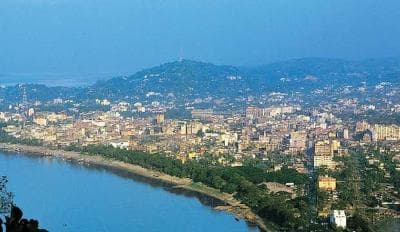
Assam is often the most forgiving state for runners because of its flatter terrain and better road connectivity. If you are starting a trip in Guwahati, early runs near the riverfront or on quieter city roads can work well, though traffic means you should keep your route simple and familiar. The most rewarding running, however, comes when you move beyond the city.
Jorhat and tea estate loops
Jorhat is a strong base if you want relaxed, scenic mileage. Tea garden roads around the town offer gentle gradients, filtered light and long straight stretches that suit steady-paced runs. A 5-10 km loop is easy to piece together with local guidance, and the atmosphere in the early morning is usually calm. If you stay near a tea estate or a heritage bungalow, ask the property staff about safe running directions before you head out.
Majuli approach roads and river-side stretches
Majuli is better known for its island culture than for formal running routes, but the approach roads and open stretches around the ferry points can be used for short, easy runs. Keep expectations modest here: the joy is in the setting, not in chasing split times. A 3-6 km out-and-back is more practical than a long run, especially if you are juggling ferry timings and sightseeing.
What to expect in Assam
In Assam, humidity can rise quickly after sunrise, so earlier is better. If you plan to run in summer, hydrate well and do not be surprised if your pace is slower than usual. For most travellers, 5-12 km is a sensible range on a travel day.
Meghalaya: hill climbs, clean air and rewarding effort
Meghalaya is one of the most satisfying parts of the Seven Sisters for runners who enjoy hills. The altitude is not extreme in most tourist areas, but the constant undulation means your legs will feel the effort. Shillong, Cherrapunji and the surrounding roads give you a good mix of short climbs, cool weather and views that make recovery breaks feel deserved.
Shillong city routes
Shillong has several practical running options in and around the city, especially early in the morning when traffic is lighter. Gentle loops around residential areas, lake-side approaches and park-adjacent stretches can be combined into a 4-8 km route. Because the city sits at a pleasant elevation, the air often feels easier to run in than lowland routes, though the climbs will still test you.
Umiam and the Shillong-Guwahati road stretch
If you are staying near Umiam, you may find wider roads and more open space for short runs. This area works well for 5-10 km easy sessions, but you should remain alert because vehicle speeds can be higher on connecting roads. For a runner with a flexible itinerary, this is also a good place for sunrise walks or recovery jogs rather than hard intervals.
Cherrapunji and Sohra roads
Cherrapunji is more about effort than distance. Roads around Sohra can be wet, misty and uneven, so foot placement matters more than pace. A 3-7 km run here is usually enough to enjoy the landscape without pushing too hard. During the monsoon, choose the safest visible stretch and avoid any route that feels exposed or slick.
Nagaland: ridge roads and race-day spirit
Nagaland has a strong running culture in many towns, especially around Kohima, where the landscape naturally lends itself to hill running. If you enjoy a route that makes you work, this is one of the best states in the region. The roads can be narrow and steep, so the focus should be on safety, rhythm and enjoyment rather than chasing fast splits.
Kohima morning loops
Kohima is the obvious base for runners. Early morning routes on quieter roads around the city can give you 4-10 km of steady climbing and descending. The gradient means even a short route can become a solid workout, so if you are not used to hills, start conservatively. Local running groups and event calendars may help if you want company, but even solo runs are memorable here.
Travel notes for Nagaland
Road conditions in hill towns vary, and fog can reduce visibility in the early morning, especially in winter. Carry a light layer, use bright clothing, and keep your runs close to populated areas if you are unfamiliar with the roads. If you plan a longer training session, do it after checking the route with your hotel or a local contact.
Manipur: lakeside calm and city runs
Manipur is ideal if you want gentler running with less vertical gain than some other hill states. Imphal offers a practical urban base, while nearby open areas and lake-side routes can work well for easy mileage. The region suits runners who prefer a steady, low-stress routine alongside sightseeing.
Imphal and around Loktak
In and around Imphal, you can usually put together comfortable 4-8 km city runs, especially early in the day. If your itinerary includes Loktak Lake, do not expect a formal running circuit, but you may find quiet stretches near your stay that are suitable for a short jog or an active walk. Because travel around the lake can take time, keep your run short and save energy for the day’s road journey.
What works best here
Manipur is best for easy recovery runs, not aggressive hill repeats. If you are travelling with family, this also makes it one of the easiest places to fit in a morning run before breakfast and sightseeing.
Mizoram: calm roads and tough climbs
Mizoram’s terrain rewards runners who enjoy hills and clear routines. Aizawl in particular can feel like a natural stair-climbing city, with steep roads and changing elevation. The upside is that even a short route gives you a serious workout; the downside is that you need to respect the climbs and avoid overestimating your pace.
Aizawl running routes
In Aizawl, think in terms of time rather than distance. A 30-45 minute easy run may cover far less ground than you expect because of the steep roads. Start early, run light, and choose a route with enough space to turn back without needing to push through traffic-heavy sections. If you are staying in the city for a few days, one easy run and one hill-focused session are usually enough.
Safety and comfort
The roads can be narrow, and some slopes are demanding even for experienced runners. If your knees dislike downhill effort, keep the route short. Shoes with solid grip help in damp conditions, especially after evening rain.
Arunachal Pradesh: high-altitude scenery and flexible planning
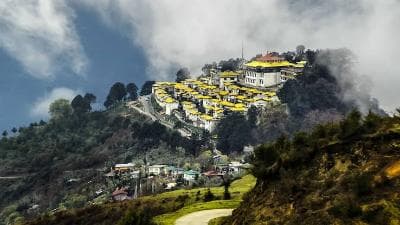
Arunachal Pradesh is stunning for travel, but running here requires more planning than in lower-altitude states. Towns such as Itanagar, Ziro and Tawang each have different conditions, and the experience can range from gentle town roads to demanding mountain gradients. If you are adding running to a holiday, keep the route simple and leave room for weather delays.
Itanagar and Ziro
Itanagar is useful for straightforward city runs if you want to stay active without tackling major climbs. Ziro, on the other hand, offers calmer roads and open landscapes that are pleasant for easy morning mileage. A 4-8 km route is usually enough to enjoy the surroundings, especially if you plan to spend the rest of the day exploring.
Tawang and altitude awareness
Tawang sits at high altitude, so even an easy jog can feel harder than usual. Take your first day slowly, hydrate well and avoid forcing pace if you feel breathless. Short recovery runs or brisk walks are often better than long efforts here, particularly if you are still adjusting to the altitude.
Tripura: practical, quieter routes for relaxed running
Tripura does not get as much attention as some of the other Seven Sisters, but it can be a pleasant place for simple, low-key running. Agartala is the easiest base, with city roads and nearby open areas that suit early morning sessions. If your travel style is more about maintaining fitness than chasing a scenic challenge, this state fits neatly into a Northeast itinerary.
Agartala city runs
In Agartala, choose familiar roads and keep the route compact. Early mornings are best, both for lower traffic and more comfortable temperatures. A 5-7 km run is a realistic plan for most visitors, followed by breakfast and sightseeing.
How to plan your running trip in the Seven Sisters
The smartest way to run in this region is to build your route around your hotel, not the other way around. Check whether your property is on a quieter road, near a park, or close to a lake, tea estate or village road where early mornings are safer. If you are doing a point-to-point journey through the Northeast, use travel days for short shakeout runs and save longer efforts for the places where you will stay two nights or more.
| State | Best running type | Typical comfortable distance | Notes |
|---|---|---|---|
| Assam | Flat city and tea-garden runs | 5-12 km | Best for easy mileage and relaxed pacing |
| Meghalaya | Hill loops and scenic climbs | 4-8 km | Cool weather, but gradients add effort |
| Nagaland | Hill training and steady climbs | 4-10 km | Great for strong runners who like elevation |
| Manipur | Easy city and recovery runs | 4-8 km | Good for calm, low-stress sessions |
| Mizoram | Short but demanding hill runs | 3-7 km | Think in minutes, not speed |
| Arunachal Pradesh | Flexible town and altitude-adjusted runs | 3-8 km | Weather and altitude matter a lot |
| Tripura | Compact city routes | 5-7 km | Simple, practical, and easy to plan |
Practical tips for runners travelling in the Seven Sisters
- Run early: Sunrise is usually the safest and most comfortable time, especially in hill towns and humid areas.
- Carry water: Even short runs can feel harder in warm or dry conditions, and hydration options may be limited on quieter roads.
- Use visible gear: Bright clothing helps on foggy roads and in low-light winter mornings.
- Keep routes simple: Out-and-back routes are easier to manage when you are in an unfamiliar town.
- Ask locally: Hotel staff and drivers usually know which roads are safe, which are muddy, and which get busy earlier than expected.
- Respect weather warnings: Heavy rain and landslides can change plans quickly in the Northeast, so stay flexible.
Frequently Asked Questions
Which of the Seven Sisters is best for beginner runners?
Assam and Tripura are usually the easiest places to start because of relatively gentler terrain and more practical city routes. You can still run in the hill states, but the climbs there may feel demanding if you are not used to elevation. If you want comfort and consistency, begin with flatter places and shorter distances.
Can I run in Shillong or Kohima without local guidance?
Yes, but it is smarter to keep the route short and familiar on your first day. Both cities have hills, curves and variable traffic patterns, so an out-and-back run from your hotel is safer than improvising a long loop. If possible, ask the front desk which roads are quiet in the morning.
Is it safe to do long runs in the Northeast?
It can be, but safety depends on the specific place, weather and road conditions. For most travellers, 45-75 minutes is a realistic upper range unless you are staying in one location for a while and know the roads well. Always check for rain, fog and local traffic before attempting a longer session.
What should I pack if I want to run across the Seven Sisters?
Pack lightweight running shoes with decent grip, a cap, a light rain layer, anti-chafe cream and a compact water bottle. If you are going to hill states, a thin warm layer for early mornings can help a lot. A phone with offline maps is useful, since mobile signal may be patchy in some stretches.
Are there organised running events in the Seven Sisters?
Yes, some cities and states host races, fun runs or community events, especially in areas with active local running groups. Dates and formats change from year to year, so you should confirm locally before planning your trip around an event. If you are interested, ask your hotel or check with local sports circles once you arrive.
How do I balance sightseeing and running on a Northeast trip?
Keep your runs short on transfer days and longer only when you have a full morning free. Many travellers do best with one easy run, one hill session and a few walking-heavy sightseeing days. That approach lets you enjoy the region without turning the holiday into a training camp.
The Seven Sisters are not just for road trips, monasteries and tea gardens; they can also be a memorable running destination if you plan well and keep your expectations practical. Choose the right season, respect the hills, and let the morning roads of the Northeast set the pace for you.
If this guide helped you plan your trip, share it with a friend who loves running and wants to explore the Seven Sisters differently.
Planning a Seven Sisters trip?
Tell us your dates and who is travelling. Up to three local travel companies send you their itinerary and price.
Get free quotesDisclaimer: The information in this blog is for general information only. We try to keep it accurate and up to date, but TravelSetu accepts no liability for errors or omissions. If you believe any part of it infringes your rights, please write to info@travelsetu.com.