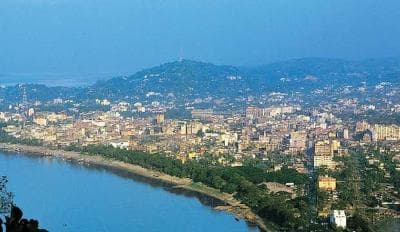
If you are planning a trip to the Seven Sisters and trying to time your budget, this guide is for you. Prices across Northeast India can swing sharply by season, especially for flights, shared transport, hotels, and even guided sightseeing in popular places like Shillong, Tawang, Gangtok, Kaziranga, Kohima, and Ziro. Here you will get a practical breakdown of when travel costs rise, when they ease, and how to plan a trip that fits your budget without compromising the experience.
Why prices change so much in the Seven Sisters
The Seven Sisters region is not one single market. Assam, Arunachal Pradesh, Meghalaya, Manipur, Mizoram, Nagaland, and Tripura each have different weather patterns, festival calendars, road conditions, and tourist demand. That means the same room that costs Rs.2,500 in one month may go up to Rs.5,000 or more in another, especially in places with limited hotel inventory.
The biggest price drivers are weather, holiday crowds, road access, and local events. In hill stations such as Shillong, Cherrapunji, Aizawl, and Tawang, demand spikes in pleasant months. In wildlife destinations such as Kaziranga, prices rise during the main safari season. During monsoon, you may see lower hotel rates, but transport can become slower, less reliable, and sometimes more expensive because of route disruptions.
Peak season: when you pay the most
Across much of the Seven Sisters, the peak travel window usually falls between October and April, with the strongest demand in December, January, and around major festivals. This is the period when weather is most comfortable in many parts of the region, roads are more stable, and views are at their best. It is also when hotels sell out earliest and flight fares tend to move up fast.
What gets expensive in peak months
- Flights: Guwahati, Agartala, Imphal, Dimapur, and Dibrugarh often see higher fares, especially during Christmas-New Year and long weekends.
- Hotels: Standard rooms in Shillong, Gangtok, Kohima, and Tawang can jump by 30-70% compared with off-season rates.
- Private cabs: Day hires and point-to-point transfers become pricier when demand is high and vehicles are limited.
- Permits and services: In remote areas, local operators may charge more for last-minute bookings, especially if permits and drivers need to be arranged quickly.
If you are visiting in December or early January, assume premium pricing almost everywhere, particularly in hill stations and near popular festival venues. Booking 30-60 days in advance is safer, and for small towns like Tawang or Ziro, even earlier is better.
Shoulder season: the best balance of weather and cost
For many travellers, the shoulder months offer the sweet spot. In the Seven Sisters, this often means late September to early November, and again February to early April, depending on the state and altitude. You get better rates than peak season, but the weather is still comfortable enough for sightseeing, road trips, and wildlife visits.
In this window, hotel tariffs are often 15-35% lower than peak. Flights can still be moderately high, but they are usually easier to find than in the December rush. If your itinerary includes Assam and Meghalaya together, this is one of the best times to travel because the road journey from Guwahati to Shillong or Cherrapunji is more predictable than during monsoon.
Best places to target in shoulder season
- Shillong and Cherrapunji: Pleasant temperatures, accessible roads, and manageable hotel pricing.
- Kaziranga: Good for safaris, with rates that are typically easier on the pocket than during the peak holiday period.
- Gangtok and surrounding Sikkim circuits: Comfortable weather and better room availability outside major festival dates.
- Kohima and nearby cultural routes: Good for heritage and village visits before the biggest crowd peaks.
Monsoon pricing: lower room rates, higher trip uncertainty
June to September brings heavy rain to much of the Northeast, though the intensity varies by state and location. This is usually the most budget-friendly period for hotels and homestays, with many properties offering discounts of 20-40% compared with peak season. If you are flexible and comfortable with weather interruptions, you can save meaningfully.
But monsoon travel has trade-offs. Landslides can affect hill routes in Meghalaya, Sikkim, and Arunachal Pradesh, while low visibility can impact scenic drives and long transfers. Some tourist activities, especially river-based or forest-based ones, may be limited depending on local conditions. You should also expect slower travel times and occasional route changes.
Where monsoon savings work best
Monsoon can work well if you focus on base cities and shorter excursions rather than ambitious multi-destination road loops. Guwahati, Shillong, Agartala, and parts of Imphal can still be manageable if you keep your plans flexible. If you are going to very remote areas in Arunachal Pradesh or high-altitude towns, confirm road status before you commit.
Season-by-season cost comparison
The table below gives a practical idea of how costs often move through the year. These are indicative ranges only, and actual prices depend on exact location, room category, festival dates, and how early you book.
| Season | Typical months | Hotel rates | Transport costs | Overall budget feel |
|---|---|---|---|---|
| Peak | October-April, especially Dec-Jan | Rs.3,500-Rs.8,000+ per night in popular towns | Highest, with limited last-minute availability | Expensive |
| Shoulder | Late Sep-Nov and Feb-early Apr | Rs.2,500-Rs.5,500 per night | Moderate, easier to plan ahead | Balanced |
| Monsoon | Jun-Sep | Rs.1,800-Rs.4,500 per night | Can rise if delays force private cabs or rerouting | Cheapest on paper, variable in reality |
For food, you can generally expect budget meals at local eateries to stay in the range of Rs.150-Rs.350 per person in many towns, while mid-range restaurant meals may cost Rs.400-Rs.800. In remote areas, prices can run a little higher because of supply and logistics. Small hotels often include breakfast, but do not assume it unless it is clearly mentioned while booking.
Destination-wise pricing trends you should know
Different parts of the Seven Sisters behave differently in the market, so timing matters more in some destinations than others. If you are planning a multi-state trip, it helps to know where the biggest seasonal jumps happen.
Assam: Kaziranga, Guwahati, Shillong gateway routes
Assam is usually the easiest state to anchor a budget trip because it has better connectivity and a wider hotel range. Guwahati prices rise around festivals and year-end, while Kaziranga sees strong demand from November to April when safaris are active. A safari package or vehicle arrangement may cost more in the busiest months, so book early if you want a specific time slot.
Meghalaya: Shillong, Cherrapunji, Dawki
Meghalaya sees major crowding in pleasant months, especially during long weekends and winter holidays. Shillong hotel rates can move up fast, and popular routes to Dawki and Cherrapunji may need a private cab if shared transport is fully booked. Monsoon may lower room prices, but travel delays are more common.
Arunachal Pradesh: Tawang, Ziro, Dirang, Bomdila
Arunachal is more sensitive to road conditions and permit planning. Winter access to higher reaches can be challenging, while summer monsoon can affect hill roads and cause schedule changes. Because accommodation options are fewer in some towns, prices can rise quickly on peak dates. If you want to visit Tawang, aim to plan well in advance and keep buffer days in your itinerary.
Nagaland, Manipur, Mizoram, Tripura
These states often have more stable base-city pricing than the hill-heavy circuits, but local festival periods can push up demand suddenly. Kohima gets particularly busy around the Hornbill season, and room rates can jump sharply during that time. Imphal, Aizawl, and Agartala usually have more manageable city-hotel options, though premium properties still rise on holidays.
How to save money without ruining the trip
If you are watching your budget, the best savings come from timing, flexibility, and booking method. The biggest mistake is assuming every destination in the Seven Sisters has the same price curve. In reality, a smart mix of travel dates and base cities can reduce your total spend quite a bit.
- Book flights early: For Guwahati, Imphal, Agartala, Dimapur, and Dibrugarh, compare fares at least 4-8 weeks ahead, more for festival travel.
- Use base-city stays: Stay longer in Shillong, Guwahati, or Imphal and do day trips instead of changing hotels every night.
- Avoid peak weekends: Long weekends and school holidays often cost more than the surrounding weekdays.
- Choose shoulder months: Late September-November and February-early April usually offer the best value.
- Confirm inclusions: Check whether breakfast, parking, permits, or transfers are included before you compare rates.
If you are travelling as a couple or family, package tours can sometimes work out better than piecing everything together yourself, especially in remote parts of Arunachal Pradesh or on a multi-state Northeast circuit. Packages often bundle hotel, car, and driver costs into a more predictable total, which helps when season-based pricing is changing quickly.
What a realistic travel budget looks like
Your final budget depends on how many states you cover and how premium you want the experience to be, but here is a practical range for planning purposes. A budget trip can often be done at around Rs.2,500-Rs.4,500 per person per day if you share transport and choose modest stays. A comfortable mid-range trip may come to Rs.5,000-Rs.9,000 per person per day, especially if you are using private cabs and staying in good hotels.
For a 5-7 day Northeast itinerary covering two or three destinations, a couple may typically spend around Rs.35,000-Rs.75,000 excluding expensive last-minute flights, depending on season and hotel category. In peak winter, the same trip can go higher because of flight fares and room surcharges. Always add a buffer of 10-15% for unexpected transport changes or weather-related plan shifts.
Frequently Asked Questions
Which month is cheapest to travel to the Seven Sisters?
June to September is usually the cheapest period for rooms and homestays, especially in hill destinations. However, this is also the monsoon season, so you need to factor in possible delays, landslides, and route changes. If you want a lower-cost trip with fewer disruptions, late September or early October can be a better compromise.
When are flight prices highest for Northeast India?
Flight fares are usually highest around Christmas, New Year, major festival weekends, and school holiday periods. Routes into Guwahati often rise first because it is the main gateway for the region. If you are flying into a smaller airport like Imphal, Agartala, Dimapur, or Dibrugarh, book early because inventory can be limited.
Are hotels in the Seven Sisters expensive compared with other Indian destinations?
They can be affordable in the off-season, but prices rise sharply in popular months because the supply of good rooms is limited in many towns. In places like Shillong, Tawang, and Kaziranga, mid-range rooms can become surprisingly costly in peak season. Compared with major metros, you may still find value, but timing matters a lot.
Is monsoon travel too risky in the Northeast?
Not always, but you should plan with extra caution. Some destinations remain accessible and pleasant, while others are prone to landslides or road closures. If your itinerary includes remote hill towns, keep buffer days and confirm road conditions locally before moving between places.
How far in advance should I book for peak season?
For December to January travel, book hotels and intercity transport at least 30-60 days ahead, and earlier for smaller towns. If you need permits for Arunachal Pradesh or want special festival dates like Hornbill season in Nagaland, planning even earlier is wise. Last-minute bookings usually cost more and limit your choice.
Can a package trip reduce seasonal price stress?
Yes, especially if you are doing a multi-state itinerary or visiting remote areas. Packages can lock in hotel and transport costs before rates rise further, and they also reduce the hassle of arranging multiple bookings separately. Just make sure the itinerary matches your pace and includes realistic travel times between destinations.
Conclusion
The Seven Sisters reward careful timing. If you understand how prices shift between peak, shoulder, and monsoon seasons, you can save money, avoid stress, and still enjoy the best of the region. Plan early, stay flexible, and match your travel month to the kind of trip you want, not just the cheapest date on the calendar.
If you found this guide useful, share it with someone planning a Northeast trip.
Planning a Seven Sisters trip?
Tell us your dates and who is travelling. Up to three local travel companies send you their itinerary and price.
Get free quotesDisclaimer: The information in this blog is for general information only. We try to keep it accurate and up to date, but TravelSetu accepts no liability for errors or omissions. If you believe any part of it infringes your rights, please write to info@travelsetu.com.