Seven Sisters Silk Route Heritage
If you are planning a trip across Northeast India and want more than just pretty views, the Seven Sisters Silk Route Heritage trail gives you a richer story to follow. This is the kind of journey for travellers who enjoy old trade roads, monastery towns, river plains, mountain passes, tea country, and local cultures that still feel closely tied to the land.
In this guide, you will get a practical overview of how the Silk Route heritage of the Seven Sisters fits together, which places are worth your time, how many days to keep aside, and what kind of budget to expect. Think of it as a smart starting point for building a route across Assam, Arunachal Pradesh, Sikkim, and nearby heritage pockets in the region.
What the Silk Route Heritage Means in the Seven Sisters
When travellers hear “Silk Route,” they often think only of a distant historic trade corridor. In Northeast India, the idea is more local and layered. Old trade paths connected the hill states with Tibet, Bhutan, Myanmar, and the Brahmaputra plains, moving salt, wool, tea, textiles, spices, and stories along the way. The heritage you see today is not just about one road; it is about monasteries, frontier towns, river ports, old mule tracks, and communities that grew around trade and travel.
Across the Seven Sisters, this heritage shows up differently in each state. In Sikkim, it is tied to the old trans-Himalayan links and monastery culture. In Arunachal Pradesh, it comes alive through high-altitude passes, tribal trade traditions, and Buddhist heritage in places like Tawang. In Assam, the Silk Route story connects to river-based commerce, tea history, and gateways such as Sivasagar, Jorhat, and Dibrugarh. That is why this trail works best when you travel with curiosity, not just a checklist.
Best Places to Explore on the Seven Sisters Silk Route Trail
Sikkim: Monasteries, mountain roads, and old trade links
Sikkim is often the easiest entry point for Silk Route-style travel in the Northeast. The old trade route to Tibet passed through this region, and you can still feel that historical movement in the landscape. Zuluk, Gnathang Valley, Kupup, and Nathang Valley in East Sikkim are closely associated with the old route and are usually visited in a 2-3 day circuit from Gangtok, subject to permits and road conditions.
Gangtok itself offers a good base if you want monasteries, local food, and a comfortable stay before heading higher. Rumtek Monastery, Enchey Monastery, and the views from Tsomgo Lake and Baba Mandir are often combined with a longer Silk Route itinerary. Road conditions can change quickly in the hills, so keep extra time in hand.
Arunachal Pradesh: Tawang and the frontier heritage
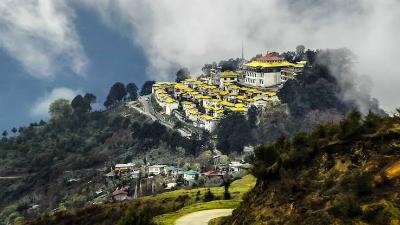
Arunachal Pradesh adds a dramatic frontier dimension to the Silk Route theme. Tawang is the main draw here, and the journey from Bomdila or Dirang usually takes several hours on mountain roads, so you should plan at least 3-4 nights just for this stretch. The 400-year-old Tawang Monastery is one of the most important cultural stops in the region and gives real depth to the heritage trail.
Dirang is also worth slowing down for. Its monastery, hot springs, and local villages create a gentler stop between the plains and Tawang. If you enjoy mountain history, war memorials, and views across high passes, this part of the route will stay with you long after the trip ends.
Assam: Tea, river trade, and royal heritage
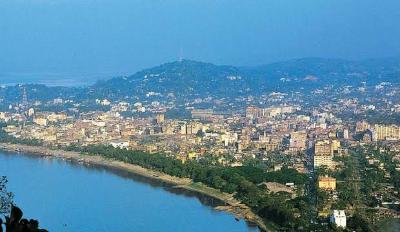
Assam gives the Silk Route journey its lowland rhythm. Sivasagar is especially important because of its Ahom-era monuments, tanks, temples, and palaces. This is where heritage feels very tangible, with architecture that reflects a powerful kingdom built on trade, administration, and local craftsmanship.
Jorhat and Majuli add a different layer. Jorhat has tea estate culture and a useful travel base, while Majuli, one of the world’s largest river islands, brings in monasteries called satras, mask-making traditions, and river life. If you want the route to feel balanced, Assam should not be treated as just a transit state.
Meghalaya, Nagaland, Manipur, Mizoram, and Tripura: Supporting heritage stops
These states may not always be part of a single Silk Route circuit, but they strengthen a broader heritage journey through the Seven Sisters. In Meghalaya, Shillong and the Khasi hills offer colonial-era layers, living matrilineal culture, and easy access from Guwahati. In Nagaland, Kohima and Khonoma bring in tribal history and mountain settlements. Manipur’s Imphal valley, Loktak Lake, and Kangla Fort add a strong historical spine. Mizoram and Tripura also contribute with their own distinct cultural landscapes, especially if you are building a longer, state-hopping itinerary.
How to Plan a Practical Silk Route Itinerary
For most Indian travellers, a realistic Silk Route heritage trip across the Seven Sisters works best in 7-12 days. Anything shorter feels rushed unless you are focusing on one state only. A good approach is to choose one mountain belt and one plains belt so that the journey has variety without becoming exhausting.
| Route style | Suggested duration | Best for | Typical focus |
|---|---|---|---|
| East Sikkim heritage circuit | 3-5 days | First-time visitors | Gangtok, Zuluk, Gnathang, Nathang Valley |
| Assam heritage loop | 4-6 days | Culture and history lovers | Guwahati, Sivasagar, Jorhat, Majuli |
| Sikkim + Assam combination | 7-10 days | Balanced trip | Monasteries, tea estates, river heritage, mountain roads |
| Arunachal frontier extension | 10-12 days | Experienced travellers | Dirang, Tawang, high passes, monastery culture |
If you are travelling from metro cities, a common plan is to fly into Guwahati or Bagdogra and then continue by road. Guwahati to Shillong takes roughly 3-4 hours depending on traffic, while Guwahati to Jorhat can take around 6-7 hours by road. Bagdogra is a useful access point for Sikkim, especially if your focus is Gangtok and the East Sikkim circuit.
When to Go for the Best Experience
The most comfortable months for a Seven Sisters Silk Route heritage trip are usually October to April. You get clearer skies, better mountain visibility, and more reliable road travel in much of the region. Winter months can be cold in the higher reaches of Sikkim and Arunachal Pradesh, so pack proper layers if you are heading into the hills.
March to May is also pleasant for many lowland and hill destinations, with blooming landscapes and manageable temperatures. The monsoon season, roughly June to September, brings lush greenery but also landslides, travel delays, and fog in hill areas. If you are travelling for heritage and road journeys rather than just scenery, avoid building a tight schedule during peak monsoon unless you have buffer days.
Transport, Permits, and Road Realities
Road travel is the backbone of this trip. Shared cabs, private taxis, and local tour vehicles are the most practical ways to move between points. In Sikkim and Arunachal Pradesh, certain border and protected areas may require permits for Indian travellers, and foreign travellers face additional restrictions in some zones. Rules change from time to time, so confirm permit requirements before booking.
Expect mountain roads to move slower than maps suggest. A 100-km stretch can take 4-6 hours or more in the hills. For this reason, do not stack too many stops into a single day. It is better to enjoy one monastery, one valley, or one heritage site properly than to rush through four.
Approximate transport costs can vary widely by season and vehicle type, but these ranges are a useful planning starting point:
- Shared local transfers: ?500-?1,500 per person for shorter legs
- Private cab for hill routes: ?4,000-?9,000 per day
- Airport-to-city transfer: ?1,500-?3,500 depending on distance and vehicle
- Inter-state road journeys with a private cab: ?8,000-?18,000 or more for longer mountain runs
These are indicative figures only, and you should confirm current rates with local operators before finalising your trip.
Where to Stay and What to Budget
Accommodation across the Seven Sisters ranges from simple homestays to comfortable boutique hotels and heritage-style stays near key towns. For a Silk Route journey, homestays are often the best value because they help you understand local food, customs, and daily life. In places like Zuluk, Dirang, Tawang, Majuli, and Sivasagar, homestays can be especially rewarding if you want a more grounded experience.
Here is a realistic nightly budget to plan around:
- Basic guesthouses and homestays: ?1,200-?2,500 per night
- Mid-range hotels and good homestays: ?2,500-?4,500 per night
- Comfortable boutique stays: ?4,500-?8,000 per night
Food is usually affordable if you eat local meals. A day’s food budget can stay around ?700-?1,500 per person in most places, though special restaurants and remote locations may cost more. A 7-day trip for one person, excluding flights or long-distance train fares, can roughly fall in the range of ?20,000-?45,000 depending on comfort level, transport style, and season.
Food and Cultural Experiences You Should Not Skip
One of the best parts of this journey is how the food changes from state to state. In Sikkim, try momos, thukpa, phagshapa, and local teas. In Assam, look for Assamese thali, tenga, smoked fish preparations, and rice-based dishes. In Arunachal Pradesh, especially around Tawang and Dirang, the local flavours often feel simple, warm, and filling after a long road day.
Cultural stops matter just as much as meals. Try to attend a monastery prayer session if timings allow, walk through tea gardens in Assam, spend time in a satra on Majuli, and speak to local guides or homestay hosts about family history. These small interactions are where the Silk Route story becomes personal rather than academic.
Frequently Asked Questions
Is the Seven Sisters Silk Route Heritage trip suitable for first-time travellers to Northeast India?
Yes, if you keep the route focused and avoid trying to cover all seven states in one go. A first trip works best as either an East Sikkim circuit or an Assam heritage loop, with one additional state only if you have enough days. The key is to allow for road travel and weather changes.
How many days do I need for a good Silk Route heritage trip?
For a meaningful trip, keep at least 7 days. If you want to combine mountain heritage with river and tea-country history, 10-12 days is more comfortable. Shorter trips are possible, but they tend to feel rushed.
Do I need permits for this route?
Some parts of Sikkim and Arunachal Pradesh may require permits, depending on the area and your nationality. The rules can change, and special zones may have different requirements for Indian and foreign travellers. Check with your tour operator or local authorities before departure.
What is the best base city to start from?
Guwahati is the most flexible starting point for a broader Northeast itinerary, while Bagdogra works well if you want to begin with Sikkim. If your focus is Assam heritage, Guwahati or Jorhat are practical choices. For a mountain-first trip, Bagdogra usually makes logistics easier.
Is this a good road trip for families?
Yes, families often enjoy it because the route combines history, food, and scenic drives. Just avoid overpacking the itinerary, especially in the hills, and keep children or older travellers comfortable with enough rest breaks. Homestays and mid-range hotels are often the best fit for family travel.
What should I pack for a Silk Route journey in the Seven Sisters?
Carry layers, a rain jacket, comfortable walking shoes, sunscreen, basic medicines, and cash for smaller towns. In winter, add gloves, thermals, and a warm cap for higher altitudes. A power bank is also useful because long road days can drain your phone quickly.
Conclusion
The Seven Sisters Silk Route Heritage trail is ideal for travellers who want their holiday to feel meaningful, not just scenic. From Sikkim’s mountain roads and Arunachal’s frontier monasteries to Assam’s river plains and royal history, the region gives you a layered view of trade, faith, and everyday life that still shapes the Northeast today.
If you are planning this journey, build in time, keep your route realistic, and let each place tell its own part of the story. And if this guide helped you plan better, please share the post with fellow travellers who are curious about Northeast India.
Disclaimer : The information provided in this blog is for general informational purposes only. While we strive to keep the content accurate and updated, TravelSetu assumes no liability for errors or omissions. If you believe any part of this blog infringes your rights or causes concern, please notify us immediately at info[at]travelsetu[dot]com so that appropriate action can be taken.