If you are planning a trip to the Northeast and want more than a rushed checklist of viewpoints, the Seven Sisters slow travel approach is for you. This style of travel gives you time to sit with the landscape, talk to local people, move at a calmer pace, and actually understand how Assam, Arunachal Pradesh, Meghalaya, Manipur, Mizoram, Nagaland and Tripura each feel different. By the end of this guide, you will know how to plan a slower, smoother itinerary, what to prioritise, and how to avoid the most common mistakes first-time visitors make.
What Slow Travel Means in the Seven Sisters
Slow travel in the Northeast is not about doing less for the sake of it. It is about planning fewer bases, longer stays, and more meaningful movement between them. The region is geographically spread out, road travel can take longer than you expect, and the real joy often comes from the journey itself: tea gardens in Assam, village walks in Meghalaya, river valleys in Arunachal Pradesh, and quiet market towns across the hills.
A rushed trip might tick off five places in seven days. A slower trip might cover just two states, but you will remember the food, the conversations, the weather changes, and the rhythm of daily life. For most Indian travellers, that is the better way to experience the Seven Sisters.
Why a Slower Pace Works Better Here
The Seven Sisters are not designed for fast-point sightseeing. Distances can be modest on a map but long on the road, especially where hill roads, weather, and traffic slow movement. A Guwahati-to-Shillong journey may look straightforward, yet it still takes around 2.5-3.5 hours depending on traffic and road conditions. Routes into places like Tawang, Ziro, or Dzukou Valley require even more patience and good timing.
Slow travel also helps you manage altitude, fog, rain, and local holidays more comfortably. It gives you buffer time for landslides in the monsoon, early sunrise starts in winter, and unplanned detours that often become the best memories. More importantly, it supports local homestays, guides, taxis, and small eateries rather than only fast tourism stops.
How to Build a Slow Travel Itinerary
Choose fewer bases
Instead of changing hotels every night, stay 2-4 nights in each place. In the Seven Sisters, a good slow route often means one entry city, one hill station or village zone, and one return point. For example, you could base yourself in Guwahati for Assam, then move to Shillong for Meghalaya, or use Itanagar and Tawang only if you have enough days in Arunachal Pradesh.
Travel in segments, not in a rush
Think in travel blocks of 3-5 hours rather than trying to squeeze in multiple destinations in one day. The slow-travel sweet spot for most Indian visitors is 8-12 days for 2-3 states, or 15-18 days if you want a broader Seven Sisters circuit. Anything less can still be enjoyable, but it should be focused.
Leave empty time on purpose
Do not overbook every afternoon. Leave room for a late lunch in a local dhaba, a market stroll, a tea break, or simply a slower morning if the weather changes. In this region, flexibility often makes the trip better than precision.
Best Slow Travel Circuits Across the Seven Sisters
| Route | Ideal duration | Why it works | Typical base(s) |
|---|---|---|---|
| Assam + Meghalaya | 8-10 days | Easy road links, mix of city, tea, waterfalls, caves | Guwahati, Shillong, Cherrapunji |
| Arunachal Pradesh focus | 10-14 days | Best for slow mountain travel and monastery stays | Itanagar, Dirang, Tawang |
| Nagaland + Manipur | 8-12 days | Good for culture, markets, villages, and food | Kohima, Khonoma, Imphal |
| Tripura + Mizoram | 7-10 days | Quieter pace, fewer crowds, strong local character | Agartala, Udaipur, Aizawl |
If you want one route that suits most first-timers, start with Assam and Meghalaya. It is the easiest combination for road travel, hotel options, food variety, and weather tolerance.
Where to Spend More Time, State by State
Assam
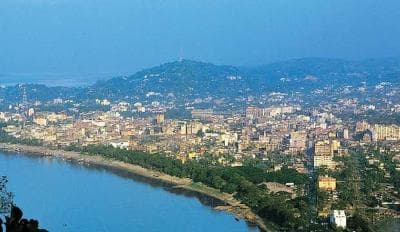
Assam is often the gateway to the Seven Sisters, but it deserves more than a transfer night. Spend time in Guwahati for river views, temple visits, and the city’s food scene, then move to the tea belt if you want a slower mood. Jorhat, Tezpur, and nearby tea estates are good choices if you want to wake up to greener surroundings and smaller crowds.
From Guwahati, you can also plan easy day outings depending on your interests, but avoid making the trip feel like a bus tour. A relaxed 2-3 day base in Assam allows you to adjust to the region before going deeper into the hills.
Meghalaya
Meghalaya is one of the best states for slow travel because the scenery changes gradually and the pace naturally slows down. Shillong works well as a base for cafes, markets, and easy access to nearby spots. If you want quieter surroundings, stay in Cherrapunji or villages along the route to the living root bridge areas, where misty mornings and long walks are part of the appeal.
Plan at least 3 nights here if possible. One day can be for Shillong, another for waterfalls and caves, and a third for slower countryside drives and village meals.
Arunachal Pradesh
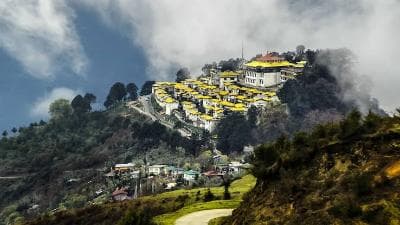
Arunachal Pradesh rewards patience more than almost anywhere else in the region. The road journey to Tawang is long, and it is best treated as a travel experience rather than a transfer. Stop at Dirang if your schedule allows; it breaks the journey and gives you a gentler altitude transition.
If you go north, keep extra time for weather, permits, and road conditions. This is not the place to rush. Slow travel here means spending time in monasteries, small settlements, and valley viewpoints instead of trying to cover too many districts.
Nagaland
Nagaland is ideal if you enjoy culture, local design, food traditions, and conversations with people who know their place deeply. Kohima is the most practical base, and Khonoma is a strong add-on if you want a village stay with a more grounded rhythm. If your dates match a major festival season, book early and move slowly so you can experience the cultural side without feeling crowded.
Manipur, Mizoram and Tripura
Imphal offers a mix of history, markets, and easy day trips. Aizawl in Mizoram is calm, scenic, and best enjoyed with a few unhurried days. Agartala and Udaipur in Tripura work well for travellers who want a lighter, less hectic finish to the circuit.
These states are especially rewarding if you like smaller crowds and community-focused stays. A slower schedule helps you experience local food, evening walks, and everyday city life rather than racing between attractions.
Best Time to Travel Slowly
The most comfortable months for a slow trip across the Seven Sisters are usually October to April. The weather is generally more stable, road movement is easier, and visibility is better in the hills. November to February is especially good for crisp air and clear views, though mornings can be cold in higher areas like Tawang and parts of Nagaland.
The monsoon, roughly from June to September, brings lush hills and dramatic waterfalls, but it can also cause road delays and landslides in some belts. If you travel then, keep your itinerary looser and choose bases with reliable road access. Always confirm road and weather conditions before booking inter-state movement.
Practical Budget and Transport Tips
Slow travel does not have to be expensive, but it does benefit from better planning. Budget-friendly homestays and clean guesthouses in the Northeast often range from Rs.1,200-Rs.3,000 per night. Mid-range hotels and well-managed boutique stays usually fall around Rs.3,500-Rs.7,000 per night, while higher-end properties can go beyond that in select towns.
For local transport, shared cabs can be economical, but private vehicles make slow travel easier, especially in hill areas where timings are uncertain. As a rough guide, full-day private taxi use may cost Rs.3,000-Rs.6,000 or more depending on the route, road difficulty, and season. Shared sums and inter-town fares vary a lot, so confirm on the ground before you move.
- Carry cash: Some smaller towns still prefer cash for taxis, homestays, and food.
- Book early in peak season: October-December and festival periods fill up quickly.
- Keep buffer days: At least one spare day is wise if you are covering Arunachal or monsoon-prone routes.
- Check permits: Arunachal Pradesh and some restricted areas need permits for Indian travellers. Rules can change, so verify before booking.
How to Travel Responsibly in the Seven Sisters
Slow travel works best when it respects local life. Ask before taking photos of people, especially in villages and markets. Dress simply and appropriately when visiting religious spaces or community areas. Use local guides where it makes sense, not only for direction but also for context; a guide can tell you which village paths are open, which foods are seasonal, and how to behave in culturally sensitive spaces.
Try local food without demanding it be adapted to your usual style right away. A slower trip is also a better trip for the region if you support family-run stays, small restaurants, and local transport operators. Leave a place as clean as you found it, and carry back your waste, especially on road trips and hikes.
Sample 10-Day Slow Travel Plan
If you want a practical model, here is a balanced 10-day route that works for many Indian travellers:
- Days 1-2: Guwahati, with a gentle city introduction and local food.
- Days 3-5: Shillong, with one day for the city and two for nearby natural sights.
- Days 6-7: Cherrapunji or a quieter Meghalaya village base.
- Days 8-10: Return via Guwahati, or add a short extension depending on energy and weather.
This is not the only way to do it, but it shows the principle: fewer places, more time, less fatigue. If you have more days, extend by adding a second state rather than cramming more stops into the same schedule.
Frequently Asked Questions
Is the Seven Sisters slow travel approach only for long holidays?
No, but it works best when you have at least 7-8 days. Even a shorter trip can follow slow-travel principles if you pick one state and stay in two bases instead of rushing around. The main idea is to reduce transit pressure and enjoy each place properly.
Which state is easiest for a first slow-travel trip?
Assam and Meghalaya are usually the easiest combination for first-timers. The road network is comparatively simpler, there are more stay options, and the travel times are manageable. You also get a good mix of city life, hills, food, and nature without too much logistical stress.
Do I need permits for the Seven Sisters?
Some areas do require permits, especially in Arunachal Pradesh and certain protected or border zones. Rules can change, and the process may depend on your nationality and the exact area you are visiting. Always check the latest requirements before booking.
Is monsoon a bad time to visit?
Not necessarily, but it needs a more flexible plan. The monsoon makes the hills greener and the waterfalls stronger, yet road delays and landslides can affect travel. If you visit then, keep extra time and avoid tight same-day transfers.
How expensive is a slow trip across the Seven Sisters?
For a comfortable mid-range trip, many Indian travellers spend roughly Rs.3,500-Rs.8,000 per person per day depending on transport style, hotel choice, and season. Costs can be lower with shared transport and homestays, or much higher with private vehicles and premium stays. The total budget changes a lot by route, so treat this as a broad guide only.
What is the biggest mistake to avoid?
The biggest mistake is trying to cover all seven states too quickly. The region is best experienced with time, not speed, and a packed schedule usually turns into road fatigue. Pick fewer places and let the journey breathe.
Final Thoughts
The Seven Sisters reward travellers who slow down, stay longer, and travel with curiosity. If you let go of the pressure to “cover everything,” you will find a richer trip: quieter mornings, better meals, longer conversations, and a deeper sense of place. Plan carefully, keep your schedule flexible, and let the region set the pace.
If this guide helped you plan your own Northeast journey, share this post with someone who is dreaming of a slower trip through the Seven Sisters.
Planning a Seven Sisters trip?
Tell us your dates and who is travelling. Up to three local travel companies send you their itinerary and price.
Get free quotesDisclaimer: The information in this blog is for general information only. We try to keep it accurate and up to date, but TravelSetu accepts no liability for errors or omissions. If you believe any part of it infringes your rights, please write to info@travelsetu.com.