Seven Sisters Tourist Facilitation Centres
If you are planning a trip across the Seven Sisters, Tourist Facilitation Centres can make the difference between a smooth itinerary and a lot of last-minute confusion. These centres are especially useful for Indian travellers who want help with permits, local maps, transport tips, homestays, heritage information, and practical advice for moving between Assam, Arunachal Pradesh, Meghalaya, Manipur, Mizoram, Nagaland, Tripura, and Sikkim.
This guide walks you through what these centres do, where they are most useful, what kind of help you can expect, and how to use them smartly on a multi-state Northeast India trip. If you are travelling for the first time, or you are trying to build a route with limited time, this will help you plan better and save hours on the ground.
What Tourist Facilitation Centres Mean in the Seven Sisters
In the Seven Sisters region, a Tourist Facilitation Centre is usually a government-run or government-supported help desk that assists visitors with travel information, permits, route guidance, local attractions, and sometimes booking support. You may find them near airports, railway stations, state tourism offices, border-entry points, major towns, and popular tourist hubs.
These centres are not the same everywhere. In some places, they function like a full tourist office with maps, brochures, and trained staff. In others, they are more like a permit checkpoint or a counter that helps you understand entry rules and local transport. That is why it helps to think of them as your first stop for verified, on-ground information rather than as a booking agency.
Where You Are Most Likely to Find Them
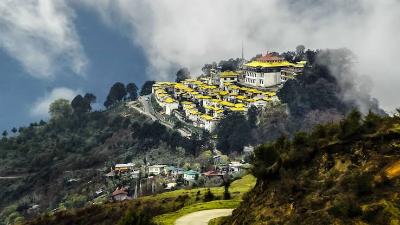
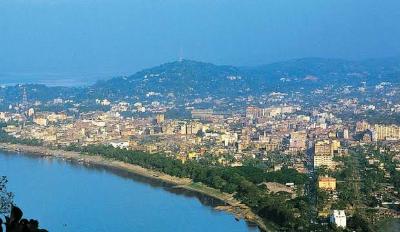
Across the Seven Sisters, the most useful facilitation centres are usually in state capitals and busy gateways. In Assam, you may find them in Guwahati and around key tourist entry points. In Meghalaya, Shillong is the most practical base, while places such as Cherrapunji and Dawki often have local help desks or tourism counters in peak seasons.
Arunachal Pradesh is different because many visitors enter through border points and need permit-related assistance. Centres or counters in Itanagar, Naharlagun, and entry corridors can help with local procedures. In Nagaland, Dimapur and Kohima are common places to ask for tourism help. In Manipur, Imphal is the main hub. In Mizoram, Aizawl usually serves as the central point. Tripura’s Agartala and Sikkim’s Gangtok are similarly important for traveller support.
It is best to confirm the exact office, timing, and services before you go. Some centres work only on weekdays, and a few close early on weekends or public holidays.
What Help You Can Expect
The usefulness of a facilitation centre depends on the state and the season, but most centres can help with a few common needs.
- Permit guidance: especially relevant for Arunachal Pradesh and, in some cases, certain border or protected zones.
- Route planning: road condition updates, travel times, and the best sequence for hill and valley destinations.
- Transport advice: local taxi unions, shared cabs, bus options, and approximate fares.
- Accommodation pointers: government guest houses, approved homestays, or tourist lodges in the area.
- Festival and event information: dates, venue directions, and entry arrangements during local celebrations.
- Safety and weather updates: especially during monsoon months, landslide season, or winter fog.
Some centres also provide brochures, maps, and contact numbers for district tourism officers or nearby service providers. In a region where phone connectivity can become patchy, this kind of local backup is genuinely useful.
How to Use These Centres Well
Do not wait until you are stranded to ask for help. The best time to use a Tourist Facilitation Centre is at the start of your trip, before you leave the main gateway city. For example, if your route includes Guwahati, Shillong, and Cherrapunji, collect route and weather information in Guwahati first. If you are entering Arunachal Pradesh, sort out permit questions before you reach the border area.
Carry the basics with you: a valid photo ID, photocopies or soft copies of your documents, passport-size photos if permits may need them, and a rough itinerary. If you are travelling in a group, keep everyone’s details ready. In many centres, staff can help faster if you show them exactly where you want to go and how many days you have.
Ask direct questions. Instead of saying “How do I go to Meghalaya?” ask “What is the best way to travel from Guwahati to Cherrapunji in January, and what time should I leave to avoid traffic?” The more specific you are, the more practical the answer will be.
State-by-State Travel Value for the Seven Sisters
| State | Where the centre helps most | What you should ask about |
|---|---|---|
| Assam | Guwahati, Kaziranga access points, Jorhat, Dibrugarh | River cruises, wildlife season, road travel, local sightseeing |
| Arunachal Pradesh | Itanagar, Naharlagun, entry routes | Permits, road conditions, distance between towns, winter travel |
| Meghalaya | Shillong, Cherrapunji, Dawki, Sohra route | Rain conditions, cave visits, transport, day-trip sequencing |
| Manipur | Imphal | Loktak Lake access, local drivers, museum timings, seasonal roads |
| Mizoram | Aizawl | Hill road movement, local taxi fares, viewpoint visits, festivals |
| Nagaland | Dimapur, Kohima | Village tourism, Hornbill-related logistics, road transfers |
| Tripura | Agartala | Temple visits, palace routes, local sightseeing, transport |
| Sikkim | Gangtok and key district routes | Weather, permit-linked areas, mountain road conditions |
For a short trip, use the centre in your first entry city. For a longer road journey, check in again whenever you cross into a new state or move from a lowland town to a hill station. The region’s road conditions can change quickly, especially from June to September.
Best Time to Visit and Why Timing Matters
Tourist Facilitation Centres become more valuable when travel demand is high. The busiest period is usually October to May, when weather is more manageable and travellers head to hill stations, wildlife zones, and cultural festivals. During these months, centres can give you updates on hotel availability, taxi rates, and route congestion.
Monsoon months, roughly June to September, are the time when you should rely on local advice the most. Roads in Meghalaya, Arunachal Pradesh, Mizoram, Nagaland, and Sikkim can be affected by rain, landslides, or temporary closures. In winter, especially December and January, some higher-altitude routes may need extra caution due to fog, cold, or road restrictions. A quick visit to a facilitation centre can save you from a wasted drive.
Typical Travel Costs You Should Plan For
Most Tourist Facilitation Centres do not charge for basic information. However, the trip costs they help you plan around can vary widely. Here are realistic ranges for a Northeast India itinerary, though you should confirm current prices before booking.
- Budget guesthouse or homestay: ?1,200-?2,500 per night
- Mid-range hotel: ?2,500-?5,500 per night
- Private local taxi for day trips: ?2,000-?6,000 depending on route and distance
- Shared cab or local transport: ?150-?800 per seat for shorter routes
- Entry fees or activity charges: often ?20-?500, with some scenic or protected sites higher
- Permit-related processing or service costs: rules vary, so check current requirements before travel
If you are building a multi-state itinerary, your biggest costs are usually transport and intercity transfers. A centre can help you choose the right town to stay in so you do not overpay for backtracking.
Practical Tips for a Better Experience
Carry both digital and printed copies of your ID and bookings. Internet can be unreliable in some parts of the Seven Sisters, and a printed note with your hotel names, vehicle details, and next destination makes life easier. If you are travelling with elderly family members or children, ask about road duration, rest stops, and if there are steps, steep walks, or long parking distances at the site you plan to visit.
Be polite but firm when asking about schedules. Timings in the Northeast are often influenced by weather, traffic, and local events, so “approximately” matters more than exactness. If someone suggests leaving earlier than you planned, take that advice seriously. In hill regions, a two-hour drive on the map can become a three- or four-hour journey in real conditions.
Also, do not assume every centre can solve every issue. Some handle information only, while permit work may be managed elsewhere. If one counter sends you to another office, treat it as part of the process rather than a problem.
Frequently Asked Questions
Are Tourist Facilitation Centres the same as tourism offices?
Not always. Some centres are full tourism offices with brochures, staff, and route guidance, while others are simpler counters focused on permits or local assistance. The service level depends on the state and location. It is wise to confirm what the particular centre offers before depending on it.
Can I get permits for Arunachal Pradesh at these centres?
Some centres can guide you on the process, and a few may help with application-related information, but the exact procedure depends on the current rules. Do not assume every counter can issue permits on the spot. Check the latest requirements before travelling, especially if you are entering border or restricted areas.
Do these centres help with taxi bookings?
They usually help with advice rather than direct commercial booking. They can point you to reliable local taxi stands, shared cab routes, or approved contacts. Still, fares and availability should be reconfirmed locally because rates can change with season and demand.
What is the best city to start using a facilitation centre in the Seven Sisters?
Guwahati is often the easiest first stop for travellers covering Assam and nearby states because it is a major entry point with strong transport links. If your trip starts elsewhere, use the centre in your first gateway city such as Shillong, Imphal, Gangtok, or Kohima. The right starting point depends on your route.
Are these centres useful for family trips?
Yes, especially if you are travelling with parents, children, or a larger group. You can get better advice on road duration, hotel locations, rest breaks, and practical movement between sightseeing spots. That kind of local guidance helps reduce stress and keeps the itinerary realistic.
Should I rely only on the facilitation centre for planning?
No, treat it as one part of your planning. Use it for local verification, but also check hotel confirmations, transport arrangements, and weather forecasts from your own side. In the Seven Sisters, combining advance planning with local advice gives you the best results.
Conclusion
Tourist Facilitation Centres in the Seven Sisters are small but valuable tools for smarter travel. They help you handle permits, understand routes, avoid unnecessary delays, and make better decisions once you are on the ground. If you use them well, your trip becomes less about guesswork and more about enjoying the region at the right pace.
If you found this guide useful, share it with someone planning a trip to the Seven Sisters.
Disclaimer : The information provided in this blog is for general informational purposes only. While we strive to keep the content accurate and updated, TravelSetu assumes no liability for errors or omissions. If you believe any part of this blog infringes your rights or causes concern, please notify us immediately at info[at]travelsetu[dot]com so that appropriate action can be taken.