Dae Sung Shakya (Korean Temple) (Lumbini) FAQs In 2026 - 2027
Religious Site
10 FAQs on Dae Sung Shakya (Korean Temple)
What is Dae Sung Shakya (Korean Temple) and where is it located?
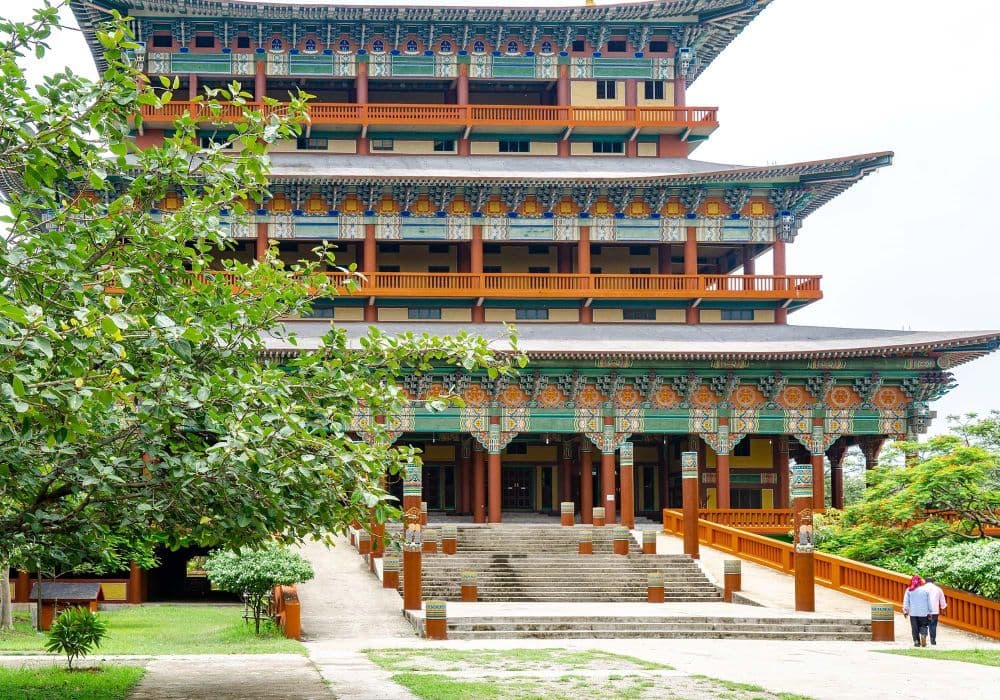
Dae Sung Shakya is a Korean Buddhist temple located in Lumbini, the birthplace of Lord Buddha, in the Rupandehi District of Nepal. It represents Korean Buddhist architecture and is one of the many international temples and monasteries built in the Lumbini area to promote world peace and to honor the birthplace of the Buddha.
What is the significance of Lumbini for Buddhists?
Lumbini is one of the most sacred places for Buddhists as it is the birthplace of Siddhartha Gautama, who later became known as the Buddha. It is a pilgrimage site where Buddhists from all over the world come to pay their respects and to reflect on the teachings of peace and enlightenment associated with Buddha.
What is the architectural style of Dae Sung Shakya?
Dae Sung Shakya reflects traditional Korean Buddhist architectural style. It is characterized by elegant wooden structures, curved roofs with distinctive ornamentation, and colorful decorations, which contrast harmoniously with the tranquil surroundings of Lumbini.
Can tourists visit Dae Sung Shakya?
Yes, tourists can visit Dae Sung Shakya. It is open to the public, and visitors can explore the temple grounds, appreciate the architecture, and learn about Korean Buddhist practices and the connection to the historical site of Lumbini.
Are there any specific festivals or events celebrated at Dae Sung Shakya?
Dae Sung Shakya may participate in various Buddhist festivals and events, particularly those associated with celebrating the life and teachings of the Buddha, such as Buddha Jayanti (Buddha's birthday). Information on specific events can usually be found at the temple or local tourist information centers.
What are the facilities available for tourists at Dae Sung Shakya?
Facilities at Dae Sung Shakya typically include meditation spaces, gardens for contemplation, and areas where visitors can learn about Buddhism and its practices. Additionally, there may be facilities for educational programs and cultural exchanges.
Is there an entrance fee to visit Dae Sung Shakya?
Information on entrance fees, if any, can vary, and it is advisable to check with the temple directly or through the Lumbini Development Trust or local tourist information centers for up-to-date details on visiting the temple.
What are the operating hours of Dae Sung Shakya?
Tourists should check with the temple management or local tourism offices for the current operating hours as they can change seasonally and due to special religious observances.
What should tourists keep in mind while visiting Dae Sung Shakya?
Visitors to Dae Sung Shakya should dress modestly, behave respectfully, and follow any guidelines provided by the temple. This includes removing shoes before entering certain areas, speaking quietly, and respecting the space used by monks and practitioners.
Are there guided tours available for Dae Sung Shakya and the other temples in Lumbini?
Guided tours are often available for tourists, which can include visits to Dae Sung Shakya and other temples and monasteries in Lumbini. Tourists can book these tours through travel agencies or inquire at the Lumbini Development Trust.
Other Places to Visit in Lumbini
View all places to visit in Lumbini
Maya Devi Temple Lumbini
4.5(451 reviews)
Lumbini Monastic Site
4.0(218 reviews)
World Peace Pagoda Lumbini
4.5(154 reviews)
Myanmar Golden Monastery
4.5(58 reviews)
Royal Thai Monastery
4.5(61 reviews)
Eternal Peace Flame
4.0(64 reviews)
Kapilvastu
4.0(9 reviews)
Kudan Stupa
4.5(23 reviews)Explore Places to Visit Near Dae Sung Shakya (Korean Temple) by Type


Other Suggested Reads for Dae Sung Shakya (Korean Temple)
- About Dae Sung Shakya (Korean Temple) Tourism
- Things to do in Dae Sung Shakya (Korean Temple)
- How to Reach Dae Sung Shakya (Korean Temple)
- Best time to Visit Dae Sung Shakya (Korean Temple)
- Dae Sung Shakya (Korean Temple) Tourism History
- Food in Dae Sung Shakya (Korean Temple)
- Dae Sung Shakya (Korean Temple) Tourist Map