Erebuni Fortress Tourism
Historical Site4.0(218 reviews)
About Erebuni Fortress
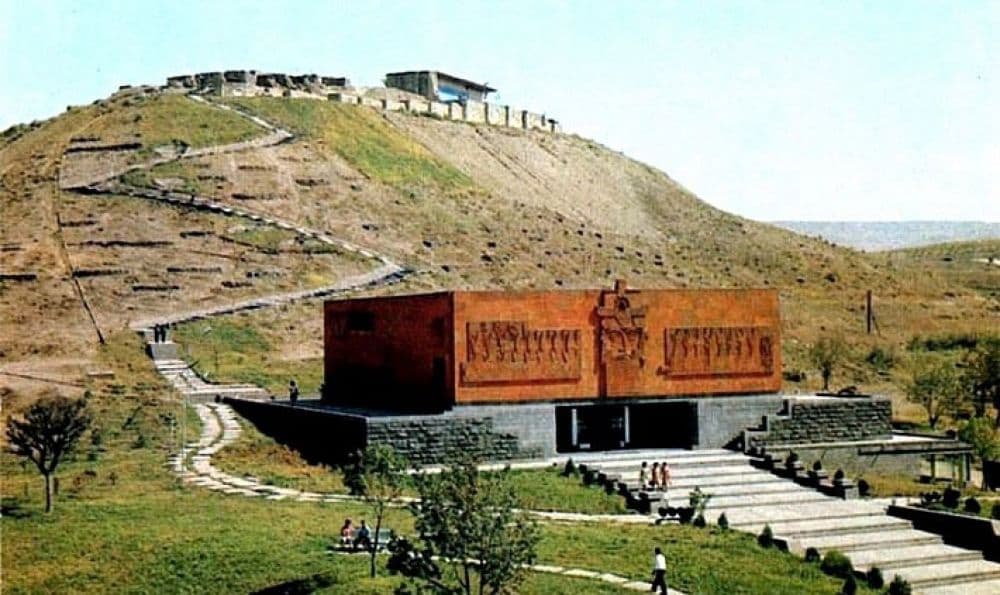
Erebuni Fortress, also known as Arin Berd, is an ancient fortified settlement located in the southeast of present-day Yerean, Armenia. The fortress was erected in 782 BC by King Argishti I as part of the establishment of the Urartian Kingdom. It served as an important military center and royal residence until the territory was conquered by the Median Empire. Today, the ruins of Erebuni stand atop a hill and have become one of Yerevan’s major archaeological sites, offering insight into the region's ancient history. Erebuni Fortress overlooks the Ararat plain and provides a panoramic view of Mount Ararat. Excavations at the site have revealed impressive wall paintings, numerous cuneiform inscriptions, and artifacts, which are on display at the Erebuni Museum. This museum was established in 1968 and resides at the foot of the hill, where it showcases items that have been excavated from the site over the years, including pottery, metalwork, and remnants of the fortress’s infrastructure. Erebuni Fortress is not only a testament to the ancient Urartian civilization but also a poignant symbol of Armenian heritage, attracting both tourists and scholars interested in the region's past.
Top 5 Reviews on Erebuni Fortress
my_ernisio
5.0Wrote on 1 Jul 2023
Ancient history alive
The walls were reconstructed (hardly could made it through 3000 years because of the earthquakes) - but still, this beautiful place has the touch of ancient history. Wonderful view on Yerevan from the hill. The exposition abouth Urartu civilization in the museum below was small but curious. You can be sure that Armenian people worship their history. I was able to talk to actual archeologists near the fortress (they worked on the side of the hill where ancient city used to be & inside the fortress) and they showed me some of their recent findings.