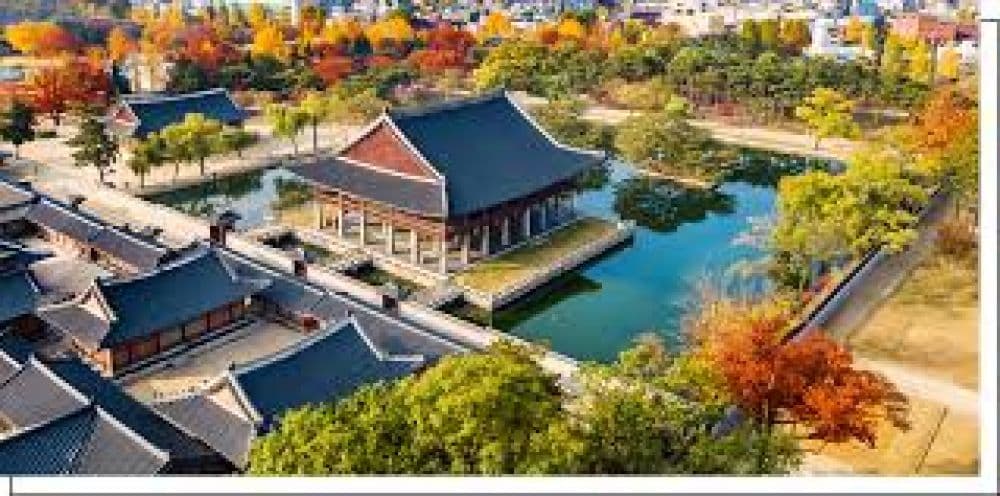
Must-Try Foods In Gyeongbokgung Palace (Seoul) For Tourists 2026 - 2027
Food History of Gyeongbokgung Palace, Seoul, South Korea
The food history of Gyeongbokgung Palace is deeply intertwined with the royal cuisine of the Joseon Dynasty. Gyeongbokgung, being the main royal palace, was where the king and the royal family resided and thus became the heart of ceremonial and royal banquets. Royal cuisine, known as "Surasang," was characterized by its elaborate preparation and presentation. The dishes served were not only to satiate hunger but also to represent the king's dignity and the prosperity of the nation. Traditional Korean philosophy, seasons, and Confucian dietary etiquette influenced these meals heavily.
Must Try Top 10 Food Dishes in Gyeongbokgung Palace for Tourists
- Kimchi (Non-Veg/Veg): A staple in Korean cuisine, this fermented vegetable side dish often includes cabbage and radishes. While traditionally kimchi is non-veg due to the inclusion of fish sauce or fermented shrimp, vegetarian versions are also available.
- Bibimbap (Veg/Non-Veg): A mixed rice bowl usually topped with assorted vegetables, gochujang (chili pepper paste), and can be served with or without meat or a fried egg.
- Tteokbokki (Veg): These spicy stir-fried rice cakes are a popular street food and can be found in vegetarian varieties without fish cakes.
- Japchae (Veg): A savory dish of stir-fried glass noodles and vegetables, sometimes served with beef, but can also be enjoyed as a vegetarian dish.
- Hobakjuk (Veg): A sweet and savory pumpkin porridge often eaten for breakfast or as a snack.
- Yachaejeon (Veg): A Korean-style vegetable pancake, which can also include seafood but can be made with just vegetables.
- Pajeon (Non-Veg): A green onion pancake that typically contains seafood, but vegetarian options are available as well.
- Mandu (Veg/Non-Veg): Dumplings that come with various fillings including kimchi, vegetables, and occasionally meat.
- Sundubu-jjigae (Non-Veg): A spicy tofu stew often served with seafood or beef, but can also be enjoyed in its vegetarian form without animal products.
- Bungeoppang (Veg): A fish-shaped pastry typically filled with sweet red bean paste, commonly found at street food stalls especially in winter.
Top Famous Restaurants in Gyeongbokgung Palace, Seoul
- Tosokchon Samgyetang (Non-Veg)
- Address: 5 Jahamun-ro 5-gil, Chebu-dong, Jongno-gu, Seoul
- Famous for: Samgyetang - ginseng chicken soup
- Gwanghwamun Jip (Veg/Non-Veg)
- Address: 12 Saemunan-ro 5-gil, Sajik-dong, Jongno-gu, Seoul
- Famous for: Kimchi jjigae - spicy kimchi stew with tofu and optional pork
- Jirisan (Non-Veg)
- Address: 43 Insadong-gil, Gwanhun-dong, Jongno-gu, Seoul
- Famous for: Bulgogi - Korean-style grilled beef (alternative options may be available)
- Kongbul (Veg/Non-Veg)
- Address: Multiple locations including near Gyeongbokgung
- Famous for: Kongbul - spicy bean sprouts with pork (can request without pork for a vegetarian dish)
- Si.Wha.Dam (Veg/Non-Veg)
- Address: 28-3, Samcheong-ro, Jongno-gu, Seoul
- Famous for: Modern fusion Korean tasting menus with vegetarian options available
- Sanchon (Veg)
- Address: 30 Insadong-gil, Gwanhun-dong, Jongno-gu, Seoul
- Famous for: Temple food - Vegetarian dishes inspired by Korean Buddhist cuisine
- Gogung (Veg/Non-Veg)
- Address: 12-1 Insadong-gil, Jongno-gu, Seoul
- Famous for: Jeonju-style Bibimbap - can be adapted for vegetarians without meat
- Naesungjae (Veg/Non-Veg)
- Address: 11 Sagan-dong, Jongno-gu, Seoul
- Famous for: Korean banquet dishes with both veg and non-veg options
- Insadong Sujebi (Veg)
- Address: 44 Insadong-gil, Gwanhun-dong, Jongno-gu, Seoul
- Famous for: Sujebi - hand-torn noodle soup with vegetarian broth
- Bukchon Son Mandu (Veg/Non-Veg)
- Address: 89 Rental Apt, 5 Bukchon-ro, Jongno-gu, Seoul
- Famous for: Mandu - dumplings with various fillings including vegetarian options
Other Places to Visit in Seoul
View all places to visit in Seoul
N Seoul Tower

Bukchon Hanok Village

Myeongdong Shopping Street

Changdeokgung Palace

Insadong

Dongdaemun Design Plaza

Lotte World

Hongdae

Jogyesa Temple

Gwangjang Market

Cheonggyecheon Stream

War Memorial of Korea

Namsan Seoul Tower

Blue House (Cheongwadae)

Itaewon

Seoul Forest

Samcheongdong

COEX Mall

Bongeunsa Temple