Kagoshima (Japan) FAQs In 2026 - 2027
City
10 FAQs on Kagoshima
What is Kagoshima known for?
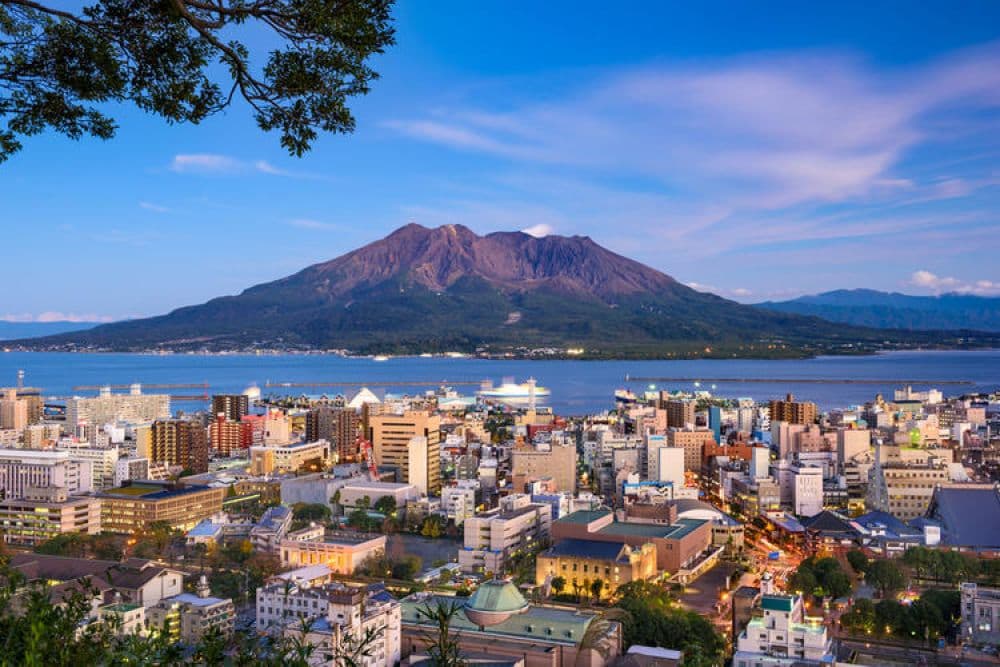
Kagoshima is known for its distinctive culture, history, and geographical features. The city is famous for Sakurajima, an active volcano and the symbol of Kagoshima, which dominates the landscape. It is also recognized for its hot springs, unique cuisine such as Kagoshima ramen and black pork, and historical sites such as the Sengan-en Garden and the former residence of the Shimazu clan.
When is the best time to visit Kagoshima?
The best time to visit Kagoshima is during the spring (March to May) or autumn (September to November) seasons when the weather is mild and pleasant. These periods are ideal for sightseeing and experiencing outdoor activities. However, visitors can also enjoy the winter season (December to February) for hot springs and local festivals, though it is cooler.
What transportation options are available for tourists in Kagoshima?
Tourists can navigate Kagoshima through various transportation options including trains, buses, trams, rental cars, and ferries. The city is well-connected by the Kyushu Shinkansen and local trains, while buses and trams provide access within the city and to nearby attractions. Ferries are available for travel to surrounding islands and the Sakurajima volcano.
Can tourists visit the Sakurajima volcano, and is it safe?
Yes, tourists can visit Sakurajima, one of the most active volcanoes in Japan. The volcano has multiple observation points and a visitor center that provides information about its activity. While it is generally safe for tourists, it is advised to check for any active volcanic alerts before visiting and to adhere to all safety notifications and guidelines provided by authorities.
What are some must-see attractions in Kagoshima?
Must-see attractions in Kagoshima include the Sakurajima volcano, Sengan-en Garden, Shiroyama Park with its panoramic city views, the Kagoshima City Aquarium, and the Museum of the Meiji Restoration. Also worth visiting are the Kirishima mountain range for hiking and Onsen experiences, as well as the island destinations like Yakushima, known for its ancient forests.
What are some traditional foods to try in Kagoshima?
In Kagoshima, visitors should try Kagoshima ramen with its rich, pork-broth flavor, Kurobuta (black pork) dishes, Satsuma-age (fried fish cakes), sweet potato shochu (a local distilled spirit), and Karukan (a steamed cake made from yam). These local delicacies offer a taste of the region's culinary heritage.
What are some popular activities for tourists in Kagoshima?
Popular activities for tourists in Kagoshima include exploring the Sakurajima volcano and its surrounding natural hot springs, strolling through the historic Sengan-en Garden, participating in shochu distillery tours, enjoying local food specialties, and visiting the many historical sites. Outdoor enthusiasts may also enjoy activities such as hiking in Kirishima or Yakushima, snorkeling, and visiting the beach.
Is there a language barrier for international tourists in Kagoshima?
While Japanese is the primary language spoken in Kagoshishima, many tourist attractions, hotels, and restaurants have staff who speak basic English. Additionally, signage in tourist areas is often available in English. Carrying a translation app or phrasebook can also be helpful for international tourists facing language barriers.
Are there any cultural events or festivals that tourists should be aware of in Kagoshima?
Kagoshima hosts various festivals throughout the year. Some notable ones include the Ohara Matsuri in November, which features traditional dance parades, the Kagoshima Kinko Bay Fireworks Festival in summer, and the Sengan-en Shinto Shrine Festival. These festivals offer tourists a chance to experience local traditions and customs.
What types of accommodations are available for tourists in Kagoshima?
Tourists in Kagoshima can choose from a wide range of accommodations including hotels, ryokan (traditional inns), guesthouses, and hostels. Luxury hotels provide comfort and high-end amenities, while ryokan offer a more traditional experience with tatami floors and onsen baths. There are options available for various budgets and preferences.
Places to Visit in Kagoshima
View all places to visit in Kagoshima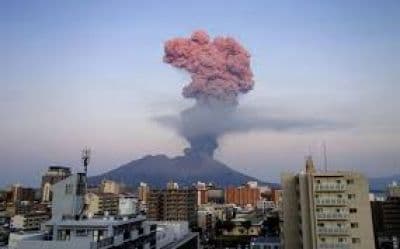
Sakurajima
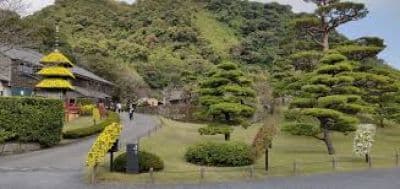
Senganen Garden

Kagoshima Aquarium
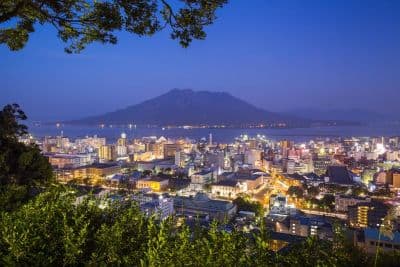
Shiroyama Observatory
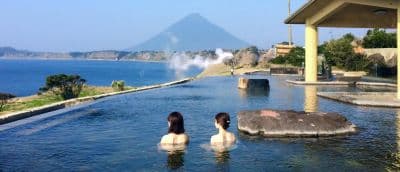
Ibusuki Onsen
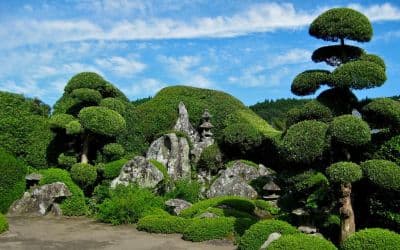
Chiran Samurai Residence
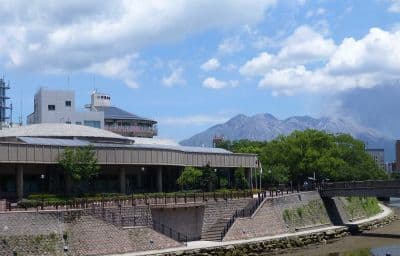
Kagoshima City Museum of Meiji Restoration
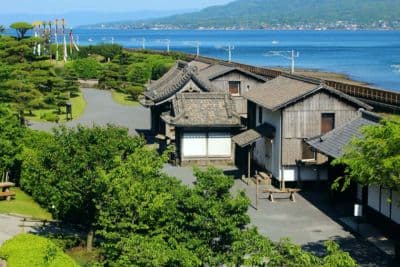
Iso Teien
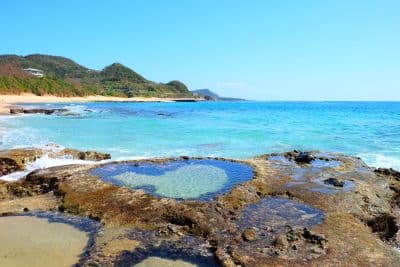
Amami Islands
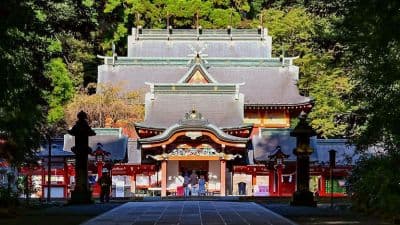
Kirishima Shrine