Andaman Anthropological Survey Work
If you are planning an Andaman trip and want to understand the islands beyond beaches and coral reefs, this guide is for you. The Anthropological Survey work in Andaman is one of the most important reasons the islands are protected, studied, and treated with greater cultural sensitivity today. By the end, you will know what this work means, where you can see its impact, which places to visit responsibly, and how to plan a trip without crossing any ethical or legal lines.
What the Anthropological Survey Work in Andaman Actually Means
When people hear “anthropological survey,” they often imagine a research team with notebooks and cameras. In Andaman, it is much more than that. The Anthropological Survey of India and related research efforts have studied the islands’ indigenous communities, settlement patterns, languages, material culture, and changing social conditions for decades.
This work matters because Andaman is home to some of India’s most sensitive cultural landscapes. The islands include communities such as the Nicobarese and Shompens in the Nicobar group, and the Great Andamanese, Onges, Jarawas, and Sentinelese in the broader island region. Some groups are more accessible through museums and public interpretation, while others are protected by strict laws and cannot be approached by tourists.
For you as a traveller, the practical benefit is clear: anthropology in Andaman helps shape responsible tourism, restricted zones, heritage interpretation, and the rules you must follow on the ground.
Why This Research Matters for Travellers
Andaman is often marketed as a beach destination, but the islands are also a place where culture, conservation, and human history are closely linked. Anthropological research helps document how communities have lived with the sea, forests, mangroves, and monsoon cycles for generations. It also provides a framework for protecting groups that are especially vulnerable to outside contact.
For visitors, this means you are not just booking ferries and snorkelling slots. You are entering a region where some islands are open, some are controlled, and some are completely off-limits. The surveys and field studies carried out here have influenced these access rules, especially around tribal reserves, protected corridors, and heritage zones.
It also means you should avoid sensationalism. A respectful trip to Andaman is not about “seeing tribes.” It is about learning the islands’ history, understanding local communities, and visiting places where interpretation is permitted.
Key Places Linked to Anthropological Work in Andaman
Anthropological Museum, Port Blair
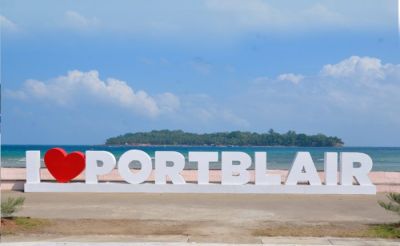
The most useful stop for a traveller interested in this topic is the Anthropological Museum in Port Blair. It gives a structured overview of the islands’ indigenous communities, traditional artefacts, settlement patterns, tools, canoes, ornaments, and housing styles. If you have just one hour to understand the human side of the islands, this is where to begin.
The museum is usually easy to combine with Cellular Jail, Aberdeen Bazaar, or Ross Island outings. Entry fees are generally low, often in the range of a few tens of rupees, but confirm current rates and opening hours before going.
Samudrika Naval Marine Museum
While not purely anthropological, Samudrika in Port Blair helps build context by showing the islands’ geography, marine biodiversity, and a small section on local people and cultural history. It works well if you want a broader overview before moving on to field visits or island-hopping.
Tribal reserves and restricted zones
Some of the most important anthropological locations in Andaman are not places you can visit freely. Tribal reserve areas exist to protect indigenous communities from disruption, disease, exploitation, and unwanted contact. That includes parts of the Jarawa reserve corridor and the specially protected regions around some islands.
As a traveller, your role is to respect these boundaries completely. Do not ask local drivers to “show” tribal areas, do not buy souvenirs that claim to come from restricted communities, and do not stop for photographs if you are passing through sensitive zones on permitted routes.
The Communities and Their Publicly Known Context
The Andaman and Nicobar Islands are home to diverse indigenous groups, but not all of them can or should be observed as part of tourism. Anthropological work has helped document their histories, languages, livelihoods, and the pressures they have faced over time.
Great Andamanese, Onges, Jarawas, Sentinelese, and Shompens
The Great Andamanese are among the best-documented groups in historical literature, though their community has gone through severe changes over time. The Onges and Shompens, in and around the Nicobar group, have also been studied for their distinct cultural practices and relationship with the environment. The Jarawas are protected and must not be contacted or photographed. The Sentinelese are especially isolated, and all contact is prohibited.
This is important because many visitors arrive with curiosity but not enough context. A little awareness goes a long way. If an operator suggests otherwise, remember that ethical travel means obeying the law and protecting people who do not want contact.
Nicobarese culture
Unlike fully restricted groups, Nicobarese communities are part of the broader social fabric of the Nicobar Islands, though access to those islands is limited and often permit-based. Anthropological documentation has helped preserve knowledge about their houses, community life, traditional crafts, and responses to environmental change. If your trip includes Nicobar access, go through official channels and local guidance rather than informal arrangements.
How Anthropology Shapes Responsible Tourism in Andaman
The influence of anthropological work shows up in practical ways. It informs signage, reserve rules, museum interpretation, and local awareness campaigns. It also helps tourism businesses understand what not to do. That includes avoiding “tribal village tours” that are intrusive, skipping illegal photography, and refusing to cross into restricted forest or reserve routes for a quick photo stop.
For a responsible itinerary, think in layers:
- Learn first: Start with museums in Port Blair.
- Travel legally: Use only permitted routes and licensed operators.
- Observe boundaries: Do not seek contact with protected communities.
- Support local livelihoods: Buy handicrafts and services from legal, community-linked sources in open areas.
This approach keeps your trip meaningful and reduces harm. It also helps you appreciate the islands as living places, not just scenic backdrops.
Suggested Itinerary for a Culture-Focused Andaman Trip
If your goal is to understand the anthropological side of Andaman, you do not need a long trip, but you do need a thoughtful one. A 5- to 7-day itinerary works well.
| Day | Plan | Why it helps |
|---|---|---|
| Day 1 | Arrive in Port Blair, explore Aberdeen Bazaar and local markets | Gives you a sense of contemporary island life |
| Day 2 | Anthropological Museum and Samudrika Museum | Builds context on indigenous communities and island history |
| Day 3 | Cellular Jail and Light & Sound Show | Helps you understand colonial history alongside cultural history |
| Day 4 | Havelock Island day or overnight | Shows how modern tourism interacts with local ecology |
| Day 5 | Neil Island or back to Port Blair | A quieter island experience with less crowding |
| Day 6-7 | Buffer day for ferry delays, shopping, or additional museum visits | Ferries can change due to weather, so flexibility helps |
If you are planning inter-island travel, leave enough cushion. Ferry timings and seat availability can shift, especially in peak season from October to May. Book well in advance where possible, and always confirm schedules close to departure.
What You Should Know Before Visiting Sensitive Areas
Andaman’s anthropology is as much about restraint as it is about curiosity. There are a few rules that matter more than almost anything else.
- Do not attempt to visit tribal reserve areas without official permission, and many are fully closed to tourists.
- Do not photograph indigenous people in restricted contexts, even from a distance.
- Do not buy items that claim to be from protected communities unless you can verify legal and ethical sourcing.
- Use licensed taxis, ferries, and tour operators for regulated routes.
- Check permit rules before planning any visit beyond Port Blair, especially for outer islands or Nicobar access.
Also remember that contact with vulnerable communities can cause serious health risks. The rules are not there to make travel inconvenient; they exist because the consequences of careless behavior can be severe.
Best Time to Travel and Typical Budget
The best time to visit Andaman for most travellers is generally from October to May, when the sea is calmer and outdoor sightseeing is more comfortable. June to September brings heavier rain, choppier ferries, and occasional disruption.
For a culture-focused trip, your costs can stay fairly manageable if you keep the itinerary centered on Port Blair and one or two nearby islands. Indicative costs are as follows:
- Budget hotels: ?2,000-?4,000 per night
- Comfort stays: ?4,500-?8,000 per night
- Ferry transfers: ?800-?2,500 per leg depending on route and class
- Local taxi sightseeing: ?2,000-?5,000 per day depending on vehicle and distance
- Museum entry: usually low, often under ?100, but confirm at the counter
These are only indicative ranges. Prices in peak season, on weekends, and around holidays can be higher, so it is wise to reconfirm before booking.
Frequently Asked Questions
Can tourists visit tribal areas in Andaman?
In most cases, no. Many tribal areas are protected or fully restricted, and access is controlled by law for ethical and safety reasons. You should not attempt to arrange unofficial visits or ask drivers to take you into reserve areas.
Is the Anthropological Museum in Port Blair worth visiting?
Yes, especially if you want context before exploring the islands further. It is a compact but informative stop that helps you understand the indigenous communities, their tools, and their histories. It is one of the best starting points for a culture-aware itinerary.
Can I photograph indigenous people if I see them on a road or beach?
No, not if it involves restricted or protected communities. Photography of vulnerable indigenous groups is unethical and often illegal. If you are unsure, assume you should not take the photo.
What is the best way to learn about Andaman’s anthropology as a traveller?
Start with museums in Port Blair, read a bit before your trip, and ask your operator about approved cultural stops. Keep your focus on permitted experiences rather than trying to access restricted places. That gives you a better, safer understanding of the islands.
Are there specific months better for museum visits and sightseeing?
Yes, October to May is usually easier for both sightseeing and ferry movement. Museums can be visited year-round, but travel conditions are more comfortable in the dry season. During monsoon months, keep extra time in your schedule for weather-related changes.
Do I need a special permit for every part of Andaman?
No, not for the main tourist areas like Port Blair, Havelock, or Neil. However, some islands and routes do have permit or access restrictions, and Nicobar travel is much more controlled. Always confirm current rules before finalizing your plan.
Conclusion
Andaman’s anthropological survey work gives you a deeper way to experience the islands. Instead of treating them as just a beach holiday, you can see how history, indigenous heritage, protected zones, and modern tourism fit together. If you travel with patience and respect, your trip becomes richer and more meaningful.
If this guide helped you plan a more responsible Andaman trip, share this post with someone who is researching the islands.
Disclaimer : The information provided in this blog is for general informational purposes only. While we strive to keep the content accurate and updated, TravelSetu assumes no liability for errors or omissions. If you believe any part of this blog infringes your rights or causes concern, please notify us immediately at info[at]travelsetu[dot]com so that appropriate action can be taken.