Andaman Jetty Construction History
If you are planning an Andaman trip and want more than just beaches and ferries, understanding the story of the islands’ jetties adds useful context to your journey. The jetty system in Andaman is not just about boarding boats; it reflects how the islands grew from a scattered colonial outpost into a connected travel network that now supports tourism, cargo movement, and daily island life.
This article is for travellers who want to know how Andaman’s jetties came up, why they matter, and how they affect your ferry transfers today. You will also get a practical view of the major jetty points, what to expect during travel, and how to plan around weather, tides, and changing infrastructure work.
Why jetties matter so much in Andaman
Andaman is an island territory, so roads alone cannot connect everything. Jetties are the points where land travel ends and sea travel begins, and in many places they are the only practical gateways between islands. For locals, they are essential for commuting, supplies, medical travel, and government movement. For visitors, they decide how smoothly you move from Port Blair to Havelock, Neil, Baratang, or other island points.
Because the islands are spread out, a jetty is never just a concrete platform. It usually includes approach roads, waiting areas, ticket counters, security checks, parking, and the actual berth where ferries or boats dock. Over time, the quality of these facilities has had a direct impact on tourism growth in the Andaman Islands.
How jetty construction began in the Andaman Islands
The earliest jetty structures in Andaman were simple and functional. During the colonial period, especially around Port Blair, the need was to unload supplies, move officials, and connect the settlement with ships arriving from the mainland and nearby islands. In those days, the emphasis was on utility rather than passenger comfort. Timber platforms, basic moorings, and narrow landing points were common in island regions with limited engineering support.
As Port Blair became the administrative centre, its waterfront gradually developed into a more organised harbour zone. The construction of better landing facilities helped the settlement handle cargo, prison-related logistics, and passenger movement. With time, more durable structures replaced temporary wooden arrangements, especially in places where monsoon tides and saltwater quickly damaged weaker materials.
After India’s independence, and especially from the late 20th century onward, jetty development became more systematic. As ferries turned into the main transport link between islands, the administration invested in stronger berths, wider approach roads, and safety measures. Tourism then pushed this further. A passenger expecting a smooth transfer to Havelock or Neil needed waiting space, schedule coordination, and reliable docking points, not just a boat arriving on the shore.
From colonial landing points to modern ferry terminals
The shift from simple jetties to organised terminals happened in stages. First came the need for stronger waterfront structures that could handle tidal variation and frequent use. Then came the passenger-focused phase, where ferry terminals began to include ticketing counters, waiting sheds, toilets, and parking zones. Later, some locations saw expansion for both tourist and inter-island traffic.
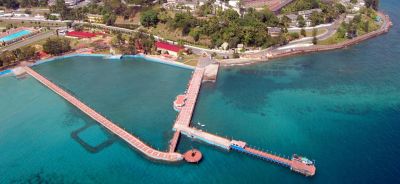
In Port Blair, this evolution is easy to notice. The waterfront around the capital has long been the centre of movement for people and cargo, and over the years the city’s ferry infrastructure has grown more structured. Some jetties were developed to serve government ferries, some for private operators, and some as improved boarding points for inter-island movement.
What changed most was not only the physical construction but also the operating logic. Earlier, a jetty was mostly a landing point. Today, it is part of a larger transport chain that includes road transfers, security screening, online or offline ticketing, baggage handling, and scheduled departures. This is one reason why travel planning in Andaman often feels very time-sensitive.
Important jetties in Andaman and what they do today
Different jetties serve different roles, and knowing the distinction helps you avoid confusion. Some are major passenger transfer points, while others are used mainly for cargo, local movement, or island-specific access.
| Jetty / terminal area | Main use | Why travellers should care |
|---|---|---|
| Phoenix Bay Jetty, Port Blair | Major ferry boarding point | Common departure point for inter-island ferries and government-linked travel |
| Haddo Wharf, Port Blair | Passenger and vehicle-related movement | Important for mainland and island connectivity in the Port Blair area |
| Aberdeen Jetty area | Local harbour-side movement | Relevant for city access and nearby transport planning |
| Havelock jetty area | Island arrival and departure | Primary entry point for tourists heading to Swaraj Dweep |
| Neil Island jetty area | Island arrival and departure | Used by visitors to Shaheed Dweep; timing depends heavily on ferry schedules |
| Baratang jetty crossings | Short ferry and creek crossings | Needed for road-sea-road itineraries, especially for limestone cave trips |
Not every jetty is equally modern, and the level of convenience can vary. Some are busy and well-managed, while others are smaller and more weather-dependent. If you are travelling during peak season, especially between October and April, the experience can range from smooth to crowded depending on your ferry timing and route.
What drove the construction boom in Andaman
Tourism growth
As Andaman became a popular holiday destination for Indian travellers, ferry traffic increased sharply. Places like Havelock and Neil drew visitors looking for beaches, diving, and island stays. This led to better passenger handling areas, more regular ferry operations, and pressure to improve landing points. A tourism market cannot function well if boarding is chaotic, so the jetties had to keep improving.
Administrative and local needs
Jetties in Andaman are not built only for tourists. They support teachers, government staff, traders, fishermen, and families moving between islands. They also matter for emergency movement and supply chains. In a region where sea transport is often the fastest or only practical option, a functioning jetty can affect everyday life far more than a highway does on the mainland.
Weather and durability
The islands face salt corrosion, heavy rainfall, and seasonal rough seas. This makes construction and maintenance more challenging than in many mainland coastal towns. Jetty designs therefore need stronger foundations, better drainage, corrosion-resistant fittings, and regular upkeep. In monsoon months, smaller or less protected jetties can be more difficult to use, which is why travel plans should always include a buffer.
How jetty construction changed the traveller experience
Older island travel often meant unpredictable boarding, rough access paths, and limited passenger comfort. Today, although delays still happen, the overall system is far more structured. This matters because most visitors to Andaman are not just taking a single ferry; they are connecting flights, road transfers, ferry checks, luggage handling, and hotel check-ins in one chain.
Here is how modern jetty development has changed things for you:
- Shorter transfer confusion: Better signboards and organised entry points reduce last-minute stress.
- More predictable schedules: Ferry departures are now more closely tied to passenger demand and route management.
- Improved safety: Railings, berthing arrangements, and controlled boarding areas have become more common.
- Better tourism flow: Islands such as Havelock and Neil can handle higher visitor movement in peak months.
That said, the system is still affected by sea conditions, vessel availability, and administrative decisions. It is wise to keep your ferry plans flexible, especially if your holiday has tight inter-island connections.
Practical travel tips for using Andaman jetties
Because jetty operations are tied to sea conditions and traffic management, you should plan carefully. Book your ferry slots early, especially in December, January, and long weekends. If you are connecting from Port Blair to Havelock or Neil, keep a cushion of at least half a day before any important flight from Port Blair, because cancellations or delays are possible.
Local transport to the jetty can take longer than expected during peak season. From central Port Blair to major ferry points, travel time may be around 10-30 minutes depending on traffic and your hotel location. It is sensible to leave early, especially if you are carrying large bags.
For budget planning, a private hotel transfer to a jetty in Port Blair may cost around ?300-?800 depending on distance and vehicle type. Ferry ticket costs vary widely by operator and class, but for a rough idea, inter-island ferry fares often fall in the ?1,000-?3,500 range per person one way, while premium options can be higher. Always confirm current pricing before booking.
Best time to move through jetties
The most comfortable months for sea movement are generally October to April, when the weather tends to be calmer. During monsoon and rough weather periods, services may be rescheduled. Morning ferries are often preferred because sea conditions can deteriorate later in the day, though this is not a fixed rule.
What to carry
Carry a government ID, booking confirmation, water, motion-sickness medicine if you need it, and enough time for check-in formalities. Keep small cash ready for port-side expenses. If you are travelling with children or older family members, choose earlier departures and avoid very tight connections.
Andaman jetty construction and future development
Jetty development in Andaman is still evolving. As tourism grows and island transport demand rises, better berths, wider waiting areas, improved pedestrian access, and stronger weather-resilient structures are becoming more important. There is also greater attention now on balancing convenience with coastal sensitivity, because construction near the shore needs to respect marine conditions and local ecosystems.
For travellers, this means the network may continue to improve, but also that you may encounter active work zones, route changes, or temporary operational shifts during upgrades. When planning a trip, always check with your hotel, ferry operator, or local travel desk for the latest conditions before you head to the jetty.
Frequently Asked Questions
Why are jetties so important in Andaman?
Because Andaman is an island group, jetties are the main gateways for moving between islands. They support ferries, local transport, cargo movement, and daily commuting. Without them, tourism and many local services would be much harder to manage.
Which is the most important jetty area for tourists in Port Blair?
For most tourists, the Port Blair ferry points around Phoenix Bay and nearby harbour areas are the most relevant. These locations connect you to popular islands like Havelock and Neil through scheduled ferries. Exact boarding points can change by operator, so always check your ticket details.
Is jetty travel in Andaman affected by weather?
Yes, very much so. Heavy rain, rough seas, and strong winds can delay or cancel ferry services. If your itinerary includes island hops, keep at least one spare day or a flexible schedule near the end of your trip.
How early should you reach the jetty before departure?
As a general rule, aim to reach at least 45-60 minutes before departure, and even earlier if you are leaving from a busy terminal or travelling in peak season. Security checks, baggage handling, and boarding queues can take time. If you are new to Andaman, arriving early reduces stress.
Are all Andaman jetties the same?
No, they vary a lot. Some are large, organised ferry terminals, while others are smaller landing points used for local crossings or specific routes. The facilities, waiting areas, and boarding process depend on the island, the operator, and the type of service.
Will jetty construction affect my travel plans?
It can, especially if there is active maintenance, road work, or berth upgrading near your route. Sometimes the changes are minor, but at other times they can shift boarding points or timing. It is best to reconfirm ferry details 24 hours before travel.
Conclusion
The history of jetty construction in Andaman is really the story of how the islands learned to stay connected. From basic colonial landing points to modern ferry terminals, these structures have shaped travel, trade, and everyday life across the archipelago. If you understand the role of jetties before you travel, your Andaman trip becomes easier to plan and far less stressful on the ground.
If you found this guide useful, share this post with someone planning an Andaman holiday.
Disclaimer : The information provided in this blog is for general informational purposes only. While we strive to keep the content accurate and updated, TravelSetu assumes no liability for errors or omissions. If you believe any part of this blog infringes your rights or causes concern, please notify us immediately at info[at]travelsetu[dot]com so that appropriate action can be taken.