Andaman Tribal Welfare Department Role
If you are planning an Andaman trip, it helps to understand that these islands are not just beaches and water sports. They are also home to some of India’s most protected indigenous communities, and the Andaman Tribal Welfare Department plays a central role in safeguarding their rights, access to services, and cultural dignity. This guide will help you understand what the department does, why it matters to travellers, and how you can plan a more responsible visit to the islands.
Why the Andaman Tribal Welfare Department matters
The Andaman and Nicobar Islands have a unique social and cultural landscape. Along with settlers and visitors, the islands are home to indigenous communities such as the Great Andamanese, Onge, Jarawa, Shompen and Sentinelese, each with distinct histories and levels of interaction with the outside world. The Tribal Welfare Department works to support these communities through welfare measures, policy implementation, protection of rights, and coordination with other government bodies.
For you as a traveller, this matters because tourism in Andaman is not only about sightseeing. It also comes with responsibility. Some tribal areas are strictly protected, some routes pass through sensitive regions, and the rules are in place to prevent harm, intrusion, and exploitation. Understanding the department’s role makes it easier to travel respectfully and avoid unintentional violations.
Core responsibilities of the department
The department’s work is broad, but most of it falls into a few practical areas. It supports the welfare of tribal communities, helps implement government schemes, and coordinates with local administration on matters that affect land, health, education, and livelihood. It also has a key role in preserving the privacy and protected status of tribes that have limited or no contact with the outside world.
1. Welfare and social support
The department helps extend welfare services where possible, including healthcare outreach, education support, nutrition-related measures, and basic assistance. In remote island settings, this can involve logistical coordination that is far more complex than on the mainland. The aim is to ensure that indigenous communities are not left out of public services while still respecting their way of life.
2. Protection of tribal rights and habitat
One of the department’s most important functions is helping protect tribal land and settlement areas. This includes working with rules that restrict unauthorised entry into designated regions and keeping invasive tourism away from sensitive zones. The Andaman Islands are especially strict in this regard because even limited disturbance can have lasting consequences for small communities.
3. Coordination with other agencies
The department does not work in isolation. It coordinates with district administration, police, forest officials, health services, and welfare departments to manage access, enforcement, outreach, and emergency support. In an island environment, where a disruption can affect transport, healthcare, or supply chains, such coordination is essential.
4. Awareness and public communication
Another major role is public awareness. The department helps communicate do’s and don’ts around tribal areas, especially for visitors, tour operators, and transport providers. This is important in Andaman because some travellers may not realise that a scenic road or forest stretch may be close to a protected tribal zone.
How tribal protection shapes your Andaman itinerary
If you are travelling across Port Blair, Havelock, Neil, Baratang, or farther into the archipelago, tribal welfare rules affect your experience more than you may notice at first. In many cases, the rules are designed to keep you away from places where access is restricted, so the travel experience feels normal on the surface. Still, you should know what lies behind the scenes.
Protected areas and route sensitivity
Some parts of the islands are off-limits or heavily regulated. For example, routes that pass through or near tribal reserves are monitored, and photography, stopping, or wandering off the permitted route may not be allowed. Tour operators who include Baratang or interior road stretches should brief you clearly on what you can and cannot do.
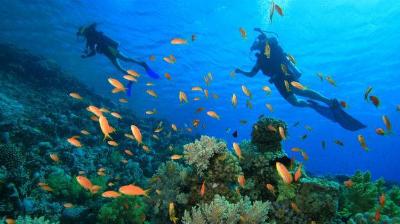
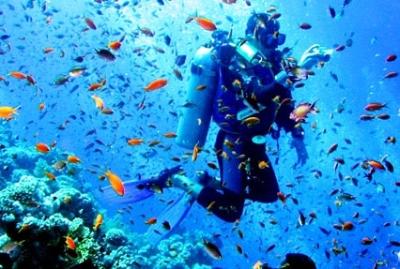
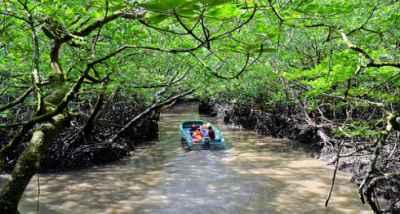
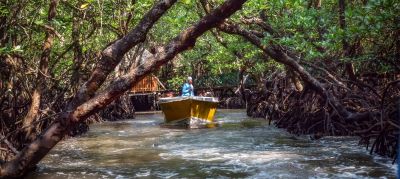
Boat trips and marine tourism
Many visitors arrive expecting island-hopping to be entirely open, but not all waters and shorelines are available for leisure use. Marine routes are planned with ecology and local rights in mind. If you are booking a cruise or a private boat, ask whether the route passes near any restricted zone and follow the operator’s instructions without argument.
What this means for day planning
In practice, your itinerary should focus on permitted tourism zones such as Port Blair’s museums and beaches, North Bay, Ross Island/Netaji Subhash Chandra Bose Island, Havelock’s Radhanagar and Elephant Beach area, and Neil Island’s public beaches. If a guide mentions that a particular road is protected or that a detour is not allowed, treat that as a firm rule, not a suggestion.
Responsible travel rules every visitor should follow
Andaman rewards travellers who are patient and respectful. The islands are beautiful, but the most important local story is conservation, not convenience. Here are some practical habits to follow.
- Do not attempt to photograph or approach tribal people. This is not only disrespectful; in many cases it is illegal.
- Stay on permitted roads and trails. If your driver or guide says not to stop, do not insist.
- Avoid sharing exact locations of sensitive areas. Do not post or forward route details that could encourage intrusive visits.
- Choose licensed local operators. They are more likely to know current restrictions and buffer zones.
- Ask before booking “offbeat” experiences. A scenic detour is not worth entering a protected area by mistake.
If you are unsure, ask your hotel, cab driver, or tour desk to explain the current rules. These instructions can change depending on enforcement and local conditions, so confirm before you go.
What travellers often misunderstand about tribal welfare in Andaman
Many visitors assume tribal welfare is only a government concern far removed from tourism. In reality, your travel choices can affect how sensitive areas are used and protected. The department’s work is often invisible, but it influences where roads are open, which routes are monitored, and how information is shared with visitors.
Another common misunderstanding is that “responsible tourism” means just not littering. In Andaman, it also means not turning protected communities into a tourist attraction. The most respectful thing you can do is treat the islands as living homelands, not an adventure backdrop.
There is also a tendency to romanticise indigenous life. That can be harmful. These communities are not props for cultural curiosity, and they do not need outsiders to “discover” them. The department’s protective role exists precisely because historical contact has often caused damage.
Best time to travel and how to plan around local rules
The best time to visit Andaman is generally from October to May, when sea conditions are more favourable and sightseeing is easier. Monsoon months can bring rougher seas, slower ferries, and occasional cancellations. If your itinerary includes long drives or boat transfers, keep a buffer in your schedule.
For a typical Andaman holiday, plan 5-7 days if you want to include Port Blair, Havelock, and Neil Island. If you are adding more relaxed beach time or island activities, 7-9 days is more comfortable. When booking transport, remember that schedules can shift due to weather or administrative checks, so avoid packing everything into one tight connection.
| Trip element | Indicative cost | Useful note |
|---|---|---|
| Budget hotel in Port Blair | ?1,800-?3,500 per night | Prices rise in peak season and near ferry timings |
| Mid-range resort in Havelock | ?4,500-?10,000 per night | Book early for December-January |
| Private cab for local sightseeing | ?2,500-?5,500 per day | Depends on route, waiting time, and island |
| Inter-island ferry | ?500-?1,500 per person | Fares vary by operator and class; confirm before booking |
| Water activities package | ?2,000-?6,000 | Only choose approved operators and check weather conditions |
How the department’s work supports ethical tourism
Ethical tourism in Andaman is not just a slogan. When the Tribal Welfare Department protects vulnerable communities, it helps preserve the island experience for everyone. Clean beaches, regulated access, and minimal disruption are all part of a larger balance between tourism and local life.
This also helps the destination stay authentic. The Andaman Islands are more than a checklist of beaches and ferry rides. They are a place where ecology, administration, and tribal rights intersect. A well-managed island destination is one where visitors can enjoy nature without putting pressure on communities who did not choose to become part of the tourism economy.
If you are travelling with family, children, or senior parents, this matters even more. A respectful itinerary is usually a smoother one: fewer last-minute restrictions, clearer guidance from local operators, and fewer uncomfortable situations caused by ignorance.
Frequently Asked Questions
What is the main role of the Andaman Tribal Welfare Department?
The department works to protect the rights, welfare, and living conditions of indigenous communities in the Andaman and Nicobar Islands. It also helps enforce rules around access to protected areas and coordinates with other departments on health, education, and administration.
Can tourists visit tribal areas in Andaman?
No, not freely. Many tribal areas are protected or restricted, and entering them is not allowed. Some communities have minimal contact with outsiders, and tourists should never attempt to visit, photograph, or interact with them.
Does the department affect regular tourist routes?
Yes, in some cases. Roads, forest stretches, and certain boat routes may pass near sensitive zones, and the department’s regulations help determine what is permitted. Your driver or tour operator should brief you if a route has restrictions.
How do I know if an activity is allowed?
Check with your hotel, local tour operator, or official transport provider before booking. Since rules can change with local conditions, weather, or enforcement updates, it is better to confirm rather than assume that a scenic route is open.
Is it safe to take photos on the island roads?
Generally, yes in public tourist areas, but not near restricted tribal regions or when photography is specifically discouraged. Always follow signs and local instructions. If you are uncertain, keep your camera down until you are sure the area is open for photography.
Why is responsible travel especially important in Andaman?
Because the islands are ecologically delicate and home to communities with protected rights. A careless visitor can cause outsized harm in a place where access and resources are limited. Responsible travel helps protect both the destination and the people who live there.
Conclusion
The Andaman Tribal Welfare Department may not be the first thing you think about when planning a beach holiday, but it is central to how the islands are protected and managed. If you understand its role, you will travel more thoughtfully, follow local rules more easily, and appreciate Andaman as a living, sensitive destination rather than just a holiday spot.
If this guide helped you plan a more responsible Andaman trip, please share this post with others who are heading to the islands.
Disclaimer : The information provided in this blog is for general informational purposes only. While we strive to keep the content accurate and updated, TravelSetu assumes no liability for errors or omissions. If you believe any part of this blog infringes your rights or causes concern, please notify us immediately at info[at]travelsetu[dot]com so that appropriate action can be taken.