Andaman Sea Grass Beds and Dugong Habitat
If you are planning an Andaman trip and want more than beaches and selfies, this guide will help you understand one of the islands’ most important underwater habitats: seagrass beds and the dugongs that depend on them. You will learn where these meadows are found, why they matter, when to travel, how to spot responsible operators, and how to plan a trip that respects fragile marine life.
Why seagrass beds matter in Andaman
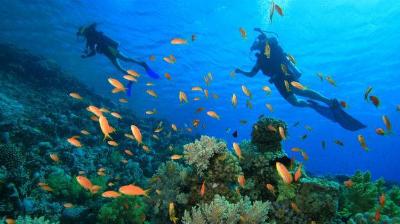
Seagrass beds are not seaweed. They are flowering plants that grow in shallow coastal waters, forming underwater meadows over sand and mud. In Andaman, these meadows play a quiet but essential role: they stabilise the seabed, support fish nurseries, reduce coastal erosion, and feed species such as green turtles and dugongs. For travellers, they matter because they are part of the reason the islands have such rich marine life in the first place.
In practical terms, healthy seagrass means healthier lagoons, clearer nearshore ecosystems, and better conditions for fish, crabs, juvenile prawns, and marine birds. If you are snorkelling or boating, you may not notice these beds at first because they often sit in shallow, calm water, but they support far more life than many coral patches do.
Who is the dugong, and why does Andaman matter?
The dugong is a marine mammal often called the “sea cow”. It is shy, slow-moving, and completely dependent on seagrass. Unlike dolphins or whales, it does not leap or travel in pods that are easy to see. In India, the Andaman Islands are among the most important remaining dugong habitats, making them especially significant for conservation.
For most visitors, the best way to think about dugongs is not as a guaranteed sighting, but as a reminder that the islands’ coastal waters are living habitats, not just photo stops. If you are lucky, you may hear local fishers, guides, or forest staff talk about recent sightings. Treat those reports with care and patience; dugongs are protected wildlife and should never be chased or approached closely.
Where seagrass beds are found in Andaman
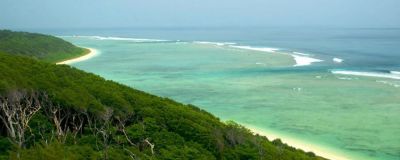
Seagrass meadows occur in many shallow bays, lagoons, and sheltered shorelines across the islands, especially where the water is calm and the bottom is sandy or muddy. You are more likely to find them near low-energy coastlines than on open, wave-battered beaches.
Key areas to keep in mind
- North and Middle Andaman: Larger stretches of relatively undisturbed coastline can support good seagrass habitats.
- South Andaman: Sheltered shallows in select coastal pockets around Port Blair and nearby islands may hold seagrass patches.
- Little Andaman: Some coastal zones here are ecologically sensitive and part of broader marine habitat networks.
- Interview Island region: Often mentioned in conservation discussions because of its biodiversity and dugong relevance.
You should remember that seagrass distribution changes with tides, visibility, sediment movement, boat traffic, and seasonal conditions. A bay that looks ordinary from above may be ecologically important below the surface. For that reason, use local conservation-oriented guides rather than trying to “discover” meadows on your own by anchoring or wading around sensitive areas.
Best time to explore responsibly
The Andaman Islands are accessible through much of the year, but the most comfortable travel months are usually from October to May. During this period, sea conditions are often calmer, ferry schedules are generally more dependable, and snorkelling visibility can be better in sheltered areas. The monsoon months, roughly June to September, can bring rougher seas and reduced marine activity.
If your focus is nature observation and coastal exploration, aim for the drier months when boat rides are smoother and local operators can usually run more consistently. That said, weather in the islands changes quickly, so always confirm current sea conditions and service updates before booking excursions.
| Season | Typical conditions | Traveller takeaway |
|---|---|---|
| October to December | Post-monsoon, often good visibility, pleasant weather | Good for nature-focused trips and marine outings |
| January to March | Stable weather, busy tourist period | Plan early; ideal for calm-water activities |
| April to May | Warmer days, still workable sea conditions | Useful for quieter travel before monsoon build-up |
| June to September | Monsoon winds, rougher water, variable services | Travel only with flexible plans and updated advisories |
How to experience Andaman’s marine habitats without harming them
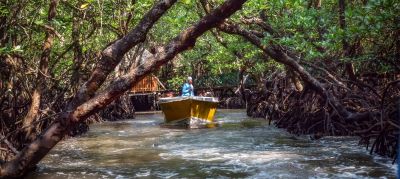
You do not need advanced diving skills to appreciate this ecosystem, but you do need a careful attitude. In many cases, the best experience comes from visiting marine-sensitive areas with operators who understand local rules and avoid disturbing the seabed.
Choose low-impact water activities
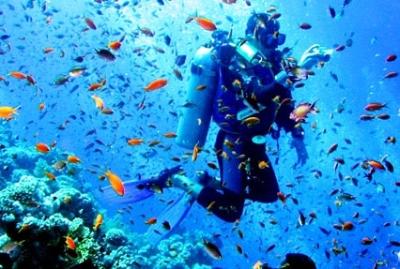
Kayaking in approved areas, guided snorkelling with strict no-touch practices, and boat-based nature observation are safer choices than activities that disturb shallow bottoms. If you snorkel, never stand on seagrass beds, stir the sand, or chase animals. Even brief contact can damage the leaves, uproot seedlings, and reduce the habitat value for fish and dugongs.
Look for responsible operators
Ask simple questions before booking: Do they avoid anchoring on sensitive seabeds? Do they brief guests on no-touch behaviour? Do they limit group size? Do they work with local conservation standards? A good operator will answer clearly. If the crew treats wildlife like a show, move on.
Carry the right habits
- Use reef-safe sunscreen in moderation and apply it well before entering the water.
- Do not drop litter, food wrappers, or cigarette butts near jetties and beaches.
- Avoid feeding fish or marine animals.
- Keep fins, bags, and cameras from scraping the bottom.
- Follow all local instructions about no-entry or restricted marine zones.
Where dugong conservation is strongest in Andaman
Because dugongs are protected and rare, conservation work is as important as tourism. In Andaman, dugong protection often overlaps with seagrass mapping, community awareness, fisher engagement, and monitoring of coastal development. You may hear about the species in the context of protected areas and marine research rather than in regular tourist marketing.
If you want to travel with a conservation mindset, ask your hotel or guide whether they support local marine awareness programmes or follow guidance from the Forest Department and marine researchers. Even if your trip does not include a dedicated wildlife talk, choosing operators who value habitat protection is a meaningful step.
It is also wise to understand that seagrass is easily disturbed by boat propellers, dropped anchors, and unplanned shoreline construction. One careless day can damage a patch that took years to establish. That is why the most responsible form of “dugong tourism” is often indirect: learning, observing, and leaving the habitat undisturbed.
Suggested trip plan for nature-minded travellers
If your main itinerary includes Port Blair, Havelock, Neil, or other accessible islands, you can still build in time to appreciate marine conservation without turning the trip into a research expedition. A 4- to 6-day trip is usually enough to combine island sightseeing with one or two slow-water experiences.
- Day 1: Arrive in Port Blair, settle in, and visit a marine museum or interpretation space if available.
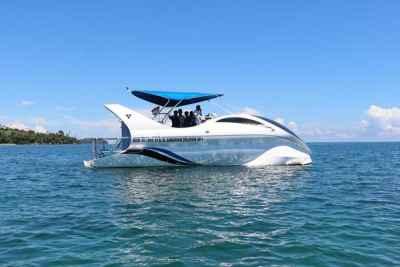
- Day 2: Take a guided boat or snorkelling excursion with a conservation-aware operator.
- Day 3: Move to Havelock or Neil, keeping your water activities light and respectful.
- Day 4: Choose a quieter beach day, observing tides and avoiding trampling nearshore vegetation.
- Day 5 or 6: Return to Port Blair with time for local markets and one last slow coastal outing.
This kind of pace works well for Indian travellers who want a family-friendly holiday without rushing between islands. Expect hotel rates in a broad range of ?3,000-?8,000 per night for mid-range stays, while water activities can range from ?1,500-?4,500 per person depending on duration, transport, and inclusions. Ferries and permits, where applicable, can change seasonally, so confirm current pricing before you commit.
What local travel usually looks like
Getting around Andaman often involves a mix of flights, government or private ferries, and short road transfers. Port Blair is the main entry point, and from there travellers typically connect to other islands by sea. Travel times vary with weather and service type, so build buffer time into your itinerary, especially if your trip includes more than one island.
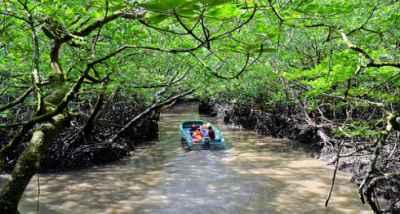
For marine habitat visits, the logistics may be simple: a short drive to a jetty, a boat ride, and a guided outing in shallow coastal waters. The key is not distance but timing. Tide state, daylight, and sea conditions often matter more than the number of kilometres involved.
How to protect seagrass and dugong habitat as a traveller
Responsible tourism starts with small decisions. Your behaviour on the shore can influence what happens beneath the water. The most useful rule is simple: if an action would disturb the bottom, the water, or the animals, do not do it.
- Stay out of marked sensitive zones.
- Do not anchor unless the operator uses designated safe moorings.
- Never step onto shallow seagrass during low tide.
- Keep noise low near quiet lagoons and jetties.
- Buy from local businesses that show respect for the marine environment.
If you are travelling with children, this is also a good place to teach them how ecosystems work. A child who learns that seagrass is a nursery, not “just weeds,” is more likely to grow into a careful traveller later.
Frequently Asked Questions
Can tourists see dugongs in Andaman?
Sometimes, but sightings are rare and never guaranteed. Dugongs are shy, protected, and often feed in quiet seagrass areas that are not set up for regular tourism. It is better to think of a possible sighting as a bonus rather than the goal of your trip.
Which island is best for learning about seagrass beds?
There is no single island with a fixed “best” spot because seagrass patches are spread across several shallow coastal areas and conditions change with seasons. South Andaman is the easiest base for most travellers, while North and Middle Andaman are important from a habitat perspective. A conservation-aware local guide can help you understand which areas are suitable to visit without disturbing the ecosystem.
Is snorkelling safe near seagrass beds?
Yes, if done carefully and only in approved areas. The key is to float above the meadow, avoid standing on the bottom, and never touch or kick up the plants. If visibility is poor or the area is sensitive, it is better to observe from a boat or choose a different site.
What should I avoid doing near dugong habitat?
Avoid anchoring on shallow bottoms, chasing marine life, dropping litter, and using loud or careless boating practices. Do not try to feed or approach animals for photos. Even well-intentioned actions can disturb feeding and movement patterns.
How much should I budget for a nature-focused Andaman trip?
For a comfortable mid-range itinerary, many Indian travellers spend roughly ?15,000-?35,000 per person for a short trip, excluding flight fluctuations. Costs depend on island transfers, hotel category, ferry choice, and the number of marine activities you include. Prices change often, so treat these as indicative and confirm before booking.
When should I book for the best experience?
If you are travelling in the peak season from December to March, book early because ferries and good hotels fill up quickly. For a calmer experience and better planning flexibility, October to November and February to April are often practical windows. Always check the latest weather and transport updates before finalising dates.
Conclusion
Andaman’s seagrass beds may not be as famous as its beaches, but they are among the islands’ most important natural assets. If you travel with patience and respect, you will come away with a deeper understanding of the marine world and a stronger appreciation for why dugong habitat deserves protection.
Share this post with fellow travellers who want to explore Andaman more responsibly and thoughtfully.
Disclaimer : The information provided in this blog is for general informational purposes only. While we strive to keep the content accurate and updated, TravelSetu assumes no liability for errors or omissions. If you believe any part of this blog infringes your rights or causes concern, please notify us immediately at info[at]travelsetu[dot]com so that appropriate action can be taken.