Andaman Local Heroes and Stories
If you are planning a trip to Andaman and want more than beaches and snorkelling, this article is for you. The islands have a strong human story: freedom fighters, lighthouse keepers, dock workers, fishermen, teachers, forest staff and indigenous communities who have shaped everyday life here. By the end, you will know where to go, what stories to look for, and how to travel with more awareness and respect.
Why Andaman’s local stories stay with you
Most people first picture turquoise water, coral reefs and white sand when they think of Andaman. But once you spend time in Port Blair, on the old colonial routes, or in villages on nearby islands, you start noticing a different layer of the destination. You hear about hardship, resilience and quiet service. You also realise that the islands are not just a holiday backdrop; they are home to people who have lived through isolation, migration, wartime occupation and major change.
That is what makes Andaman memorable. The scenery is beautiful, yes, but the stories give it depth. If you enjoy history, local culture and meaningful travel, this is one of the best places in India to combine sightseeing with real human context.
Port Blair and the freedom struggle story
For most travellers, Port Blair is the first stop, and it is also where the island’s most powerful historical stories begin. The city still carries traces of the colonial past, the Second World War and the Indian independence movement. You can feel that history best through its older landmarks rather than from guidebook summaries alone.
Cellular Jail and the idea of sacrifice
The Cellular Jail remains the most important site for understanding Andaman’s place in India’s freedom movement. Built by the British to isolate political prisoners, it became a symbol of punishment, endurance and resistance. When you walk through the corridors and small cells, it becomes easier to imagine how hard life must have been for the prisoners held here.
Plan around 2-3 hours for the visit, including the museum and the evening light-and-sound show if you choose to attend. Entry fees and show timings can change, so confirm before booking. The emotional impact is stronger if you do not rush the visit; take time to read the panels and absorb the setting.
What to look for beyond the obvious exhibits
Do not just look for famous names. Notice the architecture, the ventilation system, the isolation of the blocks and the way the complex was designed to break the spirit of those held there. That design itself tells a story about colonial power. The site is also a reminder that many lesser-known prisoners and local supporters contributed to India’s freedom movement in ways that do not always make school textbooks.
The quiet heroes of everyday Andaman
Not every local hero appears in a history book. In Andaman, many of the most important people are those who keep life moving on the islands every day. Fisherfolk head out early in the morning, boat operators navigate changing seas, market vendors know the best seasonal produce, and drivers and guides often double up as local historians.
Fishermen, boat crews and island transport workers
Because Andaman is a group of islands, sea transport is part of everyday life, not just tourism. The people who run ferries, handle luggage, load supplies and help passengers move between jetties are essential to the islands’ rhythm. If your boat is delayed by weather, it is often these workers who keep you informed and calm.
The same is true for fishermen and small seafood sellers. Many travellers enjoy grilled fish or crab without thinking about the skill involved in local fishing, seasonal knowledge and the challenges of saltwater livelihoods. These are practical, demanding jobs, and they are central to island life.
Teachers, nurses and government staff on the islands
In remote island regions, teachers and healthcare workers often become community anchors. In Andaman, they help connect scattered settlements to the wider world. If you speak to long-time residents, you will hear stories about schools opening in difficult conditions, medical outreach by boat, and families who built steady lives far from mainland convenience.
This is one reason a slower trip works better here. When you spend time in a place instead of just passing through, you begin to notice how local service and patience shape the islands as much as their landscapes do.
Indigenous communities: stories to approach with care
Andaman is also home to indigenous communities such as the Great Andamanese, Onge, Jarawa, Sentinelese and Shompen. Their histories are deeply important, and your travel should treat them with respect. This is not an area for curiosity-driven intrusion or “tribal tourism.” The right approach is to learn, observe responsibly and support ethical tourism practices.
What you should know before you go
Some communities are protected, and direct contact is restricted or entirely prohibited. That is not an obstacle to your trip; it is a boundary you must respect. If a guide or operator frames tribal contact as entertainment, that is a red flag. Choose operators who follow the law, avoid intrusive visits and explain the difference between learning about indigenous culture and violating it.
Where you can learn responsibly
The Anthropological Museum in Port Blair is a useful starting point because it provides context on the islands’ indigenous communities and their histories. Keep in mind that museum exhibits are only an introduction; they do not replace lived experience, and they should never be used to stereotype or romanticise people. Use the visit to understand the broader story of the islands, including how fragile many of these communities have been in the face of outside contact.
War, occupation and the island memory
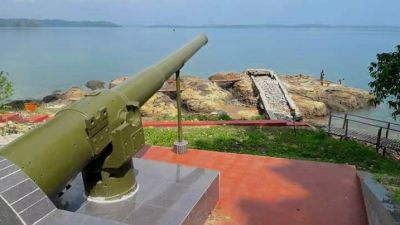
Andaman’s history does not stop with the colonial era. During the Second World War, the islands were occupied by the Japanese, and that period left a strong imprint on Port Blair and nearby sites. If you are interested in the island’s layered past, you can find reminders in older buildings, wartime bunkers and local stories shared by residents.
Ross Island and the feeling of changing power
Ross Island, now commonly visited by tourists as a scenic ruin, is also a place where you can read the rise and fall of colonial power. The old administrative buildings, church remnants and overgrown pathways show how quickly empires fade when the world changes around them. It is an atmospheric place, but it is also a useful reminder that islands are shaped by politics, not just tourism.
Spend about 1-2 hours here, and combine the visit with North Bay if you want a fuller half-day outing. Ferry timings, fees and weather conditions affect access, so check locally before you plan.
Places where stories feel most alive
If you want to experience Andaman through its people, not just its beaches, these places are a good start. They do not require complicated planning, and most can be fitted into a standard Port Blair-based itinerary.
| Place | Why it matters | Typical time needed | Useful note |
|---|---|---|---|
| Cellular Jail | Freedom struggle and colonial history | 2-3 hours | Confirm show timings before visiting |
| Anthropological Museum | Introduction to indigenous communities | 1-1.5 hours | Visit with respect, not curiosity |
| Ross Island | Colonial ruins and wartime memory | 1-2 hours | Best combined with nearby island trips |
| Chatham Saw Mill | Industrial history and labour story | 1 hour | Good for understanding Port Blair’s working past |
| Local markets in Port Blair | Everyday island life and food culture | 1-2 hours | Best in the morning or early evening |
Chatham Saw Mill and the industrial side of island life
Chatham Saw Mill is one of the oldest in Asia and gives you a different angle on Andaman’s past. It helps explain how timber, labour and port activity supported the islands for decades. For travellers, it is a reminder that history is not only about rulers and prisoners; it is also about workers, machinery and the practical industries that kept the islands running.
A simple 3-day route for story-focused travellers
If your trip is short, you can still cover the major narrative sites without feeling rushed. This works well for a first visit to Port Blair and nearby waters.
- Day 1: Arrive in Port Blair, settle in, and visit Cellular Jail in the late afternoon. If possible, stay for the evening show and then have dinner nearby.
- Day 2: Visit the Anthropological Museum, Chatham Saw Mill and local markets. Keep the day flexible so you can talk to guides, shopkeepers or boat operators.
- Day 3: Take a ferry outing to Ross Island and nearby waters, or choose a relaxed heritage walk through Port Blair before departure.
This is a calm pace, and it gives you enough time to understand the destination instead of ticking boxes. If you have 5-6 days, you can add Havelock or Neil for beaches, but keep one or two history-focused days in the middle of the trip.
How to travel respectfully in Andaman
Andaman rewards travellers who are polite, patient and observant. If you are speaking with locals, ask before taking photos. Avoid making assumptions about communities, food habits or livelihoods. Be careful with waste, especially on islands where disposal is more difficult than on the mainland.
It is also wise to book with operators who are clear about permits, ferry schedules and weather-dependent changes. Prices for ferries, hotel stays and guided experiences vary widely by season. As a broad planning range, budget around ?2,500-?4,000 per night for simple mid-range stays in Port Blair, ?4,500-?9,000 for better resorts in peak periods, and roughly ?1,500-?4,000 per person for local activity costs depending on inclusions. Always confirm current rates before booking.
Frequently Asked Questions
Is Andaman only about beaches and water sports?
No. The islands have a strong historical and cultural side, especially in Port Blair. If you include Cellular Jail, Ross Island, local museums and market visits, you will come away with a much fuller understanding of the destination.
Can I visit indigenous villages or meet tribal communities?
You should be very cautious here. Many indigenous communities are protected, and direct contact is restricted or not allowed. The right way to learn is through museums, responsible guides and legal, ethical travel practices that respect privacy and government rules.
How much time should I keep for the history side of Andaman?
At least one full day, and ideally two if you like museums and heritage. Celluar Jail alone deserves a slow visit, and pairing it with the Anthropological Museum and Ross Island makes the story easier to understand. If you are on a short trip, keep history in the first half of your itinerary.
What is the best time to explore Andaman’s local stories?
October to May is usually more comfortable for travel, with calmer seas and better ferry reliability than the monsoon months. For heritage visits, early mornings and late afternoons are usually easier than the hottest hours of the day. Always check local weather and ferry updates before moving between islands.
Are guided tours useful for this kind of trip?
Yes, if you choose the right ones. A good local guide can explain context, connect places to real events and help you avoid insensitive behaviour around restricted areas. Ask what the tour covers and make sure it focuses on history and culture, not intrusive tribal tourism.
What should I pack for a story-focused Andaman trip?
Light cotton clothes, comfortable walking shoes, a cap, sunscreen, a water bottle and a small day bag are enough for most days. For heritage visits, carry a bit of cash for entries, snacks and local transport. Since weather and ferry timings can change, keep your schedule flexible.
Andaman becomes far more meaningful when you look beyond the shore. Its local heroes are not only the famous names from history books, but also the people who keep the islands working, welcoming and resilient today. If you travel with curiosity and respect, you will return with more than photographs; you will return with stories that stay with you.
If you found this guide helpful, share it with someone planning an Andaman trip.
Disclaimer : The information provided in this blog is for general informational purposes only. While we strive to keep the content accurate and updated, TravelSetu assumes no liability for errors or omissions. If you believe any part of this blog infringes your rights or causes concern, please notify us immediately at info[at]travelsetu[dot]com so that appropriate action can be taken.