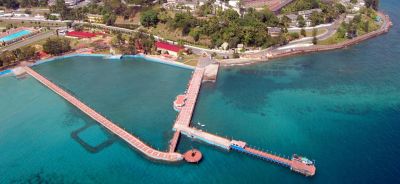
Andaman Boat Repair Yards
If you are planning a trip to Andaman and want to understand the island’s working waterfront, the boat repair yards are worth your attention. This guide is for curious travellers, photographers, maritime enthusiasts, and anyone who wants to see how daily life in the islands depends on boats, ferries, and fishing craft that are constantly being serviced, painted, welded, and relaunched.
You will come away knowing where these yards are generally found, what you can realistically see, when to go, how to behave around active work areas, and how to fold a short stop into a Port Blair itinerary without wasting time.
Why boat repair yards matter in Andaman
In the Andaman Islands, boats are not just for sightseeing. They are part of the transport system, the fishing economy, the supply chain, and in many places the daily commute. That is why repair yards have a practical importance you may not notice at first glance: a ferry, launch, dinghy, or fishing vessel needs regular maintenance after rough sea conditions, salt exposure, and long operating hours.
For travellers, this working landscape offers a different side of Andaman. Instead of beaches and coral stories, you see hull cleaning, timber patching, engine checks, painting, welding, and a steady rhythm of labour that keeps the islands moving. It is a useful reminder that the island experience is not only leisure; it is also logistics and livelihood.
Where you are most likely to find boat repair activity
Most visitors will encounter boat repair yards in and around Port Blair, especially in waterfront areas where government vessels, private craft, and fishing boats are handled. The activity is generally concentrated near harbour zones and working docks rather than in tourist beach stretches.
Common areas where you may notice repair work, dry docking, or maintenance activity include:
- Haddo - a major waterfront area in Port Blair with maritime activity.
- Phoenix Bay - often associated with ferry movement and harbour operations.
- Chatham - known more broadly for its industrial and timber legacy, with a working-port feel nearby.
- Wandoor and other fishing stretches - where smaller craft may be serviced informally or in local yards.
You may also spot repair work on other islands, but for most travellers, Port Blair is the easiest and most practical place to observe the process. If you have limited time, plan around the harbour side of the city instead of expecting a dedicated visitor attraction with ticketed entry.
What a boat repair yard looks like in Andaman
Do not imagine a polished museum or a curated showpiece. A working boat repair yard is usually busy, noisy, and occasionally messy in the most practical sense. You may see boats propped up for hull work, men scraping old paint, welders repairing metal sections, carpenters replacing wooden parts, ropes and nets bundled on the ground, and fresh coatings drying in the sea breeze.
Types of work you may observe
- Hull maintenance - cleaning, scraping, anti-fouling paint, and patch repairs.
- Engine servicing - checks, oil changes, part replacement, and troubleshooting.
- Woodwork - replacing planks, seats, deck sections, and fittings on traditional craft.
- Metal work - welding and strengthening on ferries, launches, and fishing boats.
- Painting and finishing - often visible because boats need protection from saltwater and sun.
The exact mix depends on the yard and the type of boat. Larger vessels may be handled with heavier equipment and stricter boundaries, while smaller local craft may be maintained more informally.
Best time to visit or pass by
The most comfortable time to observe harbour-side activity is usually from October to April, when weather conditions are generally more predictable for travel in the islands. For photography and walking around exterior viewpoints, morning hours are often better because the light is softer and the workday is active.
In the monsoon period, roughly May to September, work may still continue, but rain, humidity, and stronger sea conditions can change schedules and visibility. Since boat movement and repair timelines are weather-dependent, you should always confirm locally if you are planning a specific visit or shoreline stop.
If your aim is to see actual repair work underway, try arriving earlier in the day rather than late afternoon. On many working docks, the busiest tasks begin after the first round of operations and before heat builds up.
How to include boat yards in an Andaman itinerary
Boat repair yards are best seen as a short, interesting detour rather than a half-day tour. In Port Blair, you can pair a waterfront stop with nearby sights and keep the day efficient.
Simple half-day plan in Port Blair
- Start with a harbour-side drive or walk in the morning.
- Spend some time around the working waterfront areas of Port Blair.
- Continue to a nearby cultural or historical site such as Cellular Jail or a local market.
- Finish with lunch in the city and leave the afternoon free for Ross Island, Chidiya Tapu, or museum visits.
This works well because you are not trying to “do” the yards for long. A focused 30-60 minute observation is usually enough unless you have a specialised interest in shipbuilding or marine photography.
If you are already booking a ferry or inter-island transfer, you may naturally pass by areas where repair activity is visible. In that case, keep your eyes open and use the stop as an extra layer of understanding rather than a separate excursion.
What to expect on a visitor level
Most boat repair yards in Andaman are working spaces, not tourist attractions. That means entry may be restricted, and in some places you may only be able to observe from outside barriers, public roads, or nearby docks. Security and safety rules can be stricter around government vessels or active harbour zones.
You should also expect dust, metal filings, paint fumes, uneven ground, oil stains, and moving equipment. Wear closed shoes, avoid loose clothing near machinery, and keep a respectful distance from workers and vessel movement.
There may be periods when photography is permitted from public areas, but do not assume you can step inside or take close-up pictures of every boat. If you want to photograph, ask first, keep your gear minimal, and avoid blocking work. A polite approach goes a long way in a place where people are busy with real jobs.
Practical travel tips for seeing working waterfronts safely
- Carry a light mask if you are sensitive to paint, dust, or engine smells.
- Wear sturdy footwear because yards often have wet or uneven surfaces.
- Avoid peak noon heat if you plan to walk around outside.
- Do not touch tools, ropes, or machinery unless someone invites you to do so.
- Ask before taking portraits of workers or crew members.
- Keep buffer time because harbour-side movement may slow unexpectedly.
If you are travelling with children or older family members, keep the stop brief and stay on safer outer edges of the working area. Andaman is generally welcoming, but working docks demand more caution than beach promenades.
Costs, transport, and nearby spending
There is usually no dedicated entry fee for viewing public waterfront areas, but you may spend on local transport, parking, snacks, or a guided cab if you choose a more convenient route. In Port Blair, a half-day cab for harbour-side sightseeing may typically cost around ?1,800-?3,500, depending on distance, vehicle type, and the season. Auto-rickshaws for shorter city hops may be lower, though availability and comfort vary.
If you combine the waterfront stop with ferry travel or other island activities, your main costs will likely come from inter-island transfers, meals, and sightseeing. As always in Andaman, prices can shift with season and demand, so confirm locally before booking anything time-sensitive.
| Activity | Typical cost range | Notes |
|---|---|---|
| Harbour-side taxi for a short half-day | ?1,800-?3,500 | Depends on route and waiting time |
| Local meals in Port Blair | ?200-?600 per person | Higher for seafood restaurants |
| Boat/ferry-related transfers | Varies widely | Schedule and fares change frequently |
Who will enjoy this experience most
Boat repair yards in Andaman are not for every traveller, and that is fine. You will enjoy them most if you like industrial landscapes, living culture, photography of working spaces, or maritime systems. They also suit travellers who prefer local authenticity over packaged sightseeing.
If you love beaches only, you may find the visit brief and rough around the edges. But if you want to understand how the islands actually function, the yard scene gives you an honest, unfiltered look at island life. It can also be a useful stop for students, documentary travellers, and anyone interested in boats as design, labour, and infrastructure.
Frequently Asked Questions
Are boat repair yards in Andaman open to tourists?
Not always. Many yards are active workspaces with limited access, and some areas may be restricted for safety or security reasons. You are more likely to view them from public roads, harbour edges, or nearby open areas rather than enter freely.
Which place in Andaman is best for seeing boat repair activity?
Port Blair is the best starting point because most harbour-related activity is concentrated there. Areas such as Haddo, Phoenix Bay, and nearby working docks are more likely to show repair work than leisure beaches. Exact access depends on the day and local conditions.
Can I take photos at the boat yards?
Sometimes yes, but always from a respectful distance and only where it is clearly safe to do so. Avoid photographing workers closely without permission, especially if you are near security-controlled or government-linked areas. A short, polite request is usually appreciated.
How much time should I keep for this stop?
For most travellers, 30-60 minutes is enough. If you are combining it with a broader Port Blair sightseeing day, treat it as a quick stop rather than a long excursion. Only longer if you are specifically interested in ship repair or industrial photography.
Is it worth visiting if I am on a family holiday?
Yes, if your family likes observing local life and you keep expectations realistic. The visit should be short, safe, and paired with a more familiar attraction like a museum, market, or heritage site. Young children should stay close and away from active work zones.
What should I wear and carry?
Wear closed shoes, light clothing, and something that can handle dust or a bit of grease in the air. Carry water, a cap, and a mask if you are sensitive to smells or fine particles. Keep your bag light so you can move easily around uneven surfaces.
Boat repair yards in Andaman offer a rare look at the working side of island life, especially in Port Blair where sea transport is part of the everyday rhythm. If you treat them as real workplaces rather than sightseeing stops, you will find the visit far more rewarding and respectful.
If this helped you plan your Andaman trip better, share this post with someone who enjoys practical, offbeat travel ideas.
Disclaimer : The information provided in this blog is for general informational purposes only. While we strive to keep the content accurate and updated, TravelSetu assumes no liability for errors or omissions. If you believe any part of this blog infringes your rights or causes concern, please notify us immediately at info[at]travelsetu[dot]com so that appropriate action can be taken.