If you are planning an Andaman trip and want to see more than beaches and ferries, the island plantations deserve a place on your itinerary. The coconut groves, areca nut plots, and small village farms of Andaman give you a quieter, more local side of the islands, with easy day trips from Port Blair and relaxed countryside drives through South Andaman.
This guide is for Indian travellers who want a practical look at where to see coconut and areca plantations in Andaman, how to visit them, what they cost, and how to fit them into a sensible island holiday. You will also get tips on the best time to go, what to eat, and how to travel respectfully through farming villages.
Why Andaman’s plantations are worth your time
When most people think of Andaman, they picture Radhanagar Beach, snorkelling, or the Cellular Jail. But beyond the coastline, the islands have a strong agricultural rhythm. Coconut trees line village roads, areca palms grow in shaded patches, and small farms support local families with produce, copra, spices, and seasonal crops.
Seeing these plantations helps you understand daily life in Andaman. You will notice how the island landscape changes from dense tropical forest to open farm belts, especially around South Andaman. The experience is not dramatic in the tourist sense, but it is authentic, calm, and very different from the usual island sightseeing circuit.
Where to see coconut and areca plantations in Andaman
South Andaman: the easiest area for visitors
If you are based in Port Blair, you can see plantation landscapes without planning a separate trip. The roads leading toward Wandoor, Chidiya Tapu, Mithakhari, Dhanikhari, and the inland stretches of South Andaman pass through coconut-lined villages and small mixed farms. These are the most practical routes for a half-day countryside drive.
Some local operators also include plantation stops on custom South Andaman tours, especially if you are combining them with beach visits, a village lunch, or a nature drive. The best part is that you do not need to dedicate an entire day unless you want a slower rural experience.
Baratang and the middle islands
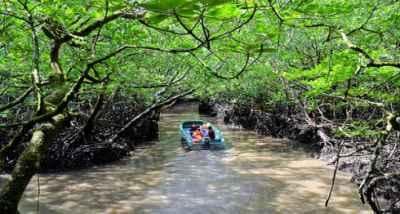
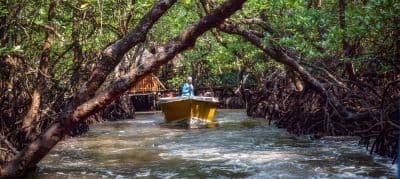
Baratang is better known for limestone caves and mangroves, but the approach roads and village belts also show you plantation landscapes, including coconut stands and some agricultural plots. The journey is longer and more regulated, so it works best if you are already planning a Baratang day trip.
Diglipur and North Andaman
In North Andaman, especially around Diglipur, agriculture becomes part of the scenery in a bigger way. You may see more open farmland, coconut groves, and village cultivation alongside rice fields and other crops. This area is far from Port Blair, so it suits travellers who have several days and want to explore beyond the usual southern circuit.
| Area | Best for | Typical access from Port Blair | Travel style |
|---|---|---|---|
| South Andaman villages | Easy plantation views, short drives | 30 minutes to 2 hours depending on the route | Half-day or relaxed day trip |
| Baratang belt | Scenic rural stretches on a longer outing | 3-4 hours one way, often with controls | Full-day trip |
| Diglipur region | Broader agricultural landscape | Long road-and-ferry journey, often overnight or more | Multi-day itinerary |
What coconut and areca cultivation looks like here
Coconut farming in Andaman is woven into the island environment. You will see tall palms near homes, along roads, and around small plots of land. The trees are used for food, cooking oil, coconuts for drinking, rope, and other household needs. In some areas, you may also come across copra drying activity when the season and weather are right.
Areca nut, also called supari, is another crop grown in parts of the islands. It is usually found in smaller cultivated patches rather than large industrial estates. The plant arrangement is often mixed with banana, spices, or other local vegetation, so the farm view feels less like a plantation tour and more like a working rural landscape.
If you come from mainland India, you may find the pace of cultivation here slower and more seasonal. That is part of the appeal. Andaman agriculture is shaped by humidity, rainfall, transport, and limited land availability, so it is practical rather than showy.
Best time to visit plantations in Andaman
The most comfortable time to explore plantation areas is from October to May. These months usually bring better road conditions, clearer skies, and easier travel for day trips from Port Blair. December to February is especially pleasant for outdoor drives, though it is also the busiest travel season.
June to September is the monsoon period. The islands look lush, but roads can be slippery and showers may interrupt outdoor plans. If you visit then, keep your plantation trip flexible and do not schedule it too tightly around ferries, long transfers, or flights.
Morning hours are usually best. You get softer light for photography, cooler temperatures, and more active village scenes. By afternoon, the humidity rises and road travel can feel tiring, especially if you are planning to stop at multiple places.
How to plan a plantation visit
Use Port Blair as your base
For most travellers, Port Blair is the simplest base. From there, you can hire a cab, book a local sightseeing car, or arrange a customised half-day plan that includes plantation views, a village road, and a beach or viewpoint. If you are on a 3- to 5-day Andaman trip, this is the easiest way to add the countryside without complicating your schedule.
Choose road trips over stand-alone farm visits
Unlike curated plantation estates in some parts of India, Andaman’s coconut and areca areas are often part of village landscapes rather than formal tourist properties. So the practical way to experience them is through scenic drives and local food stops, not as a separate ticketed attraction.
Ask before entering private land
Many of the best-looking groves and plots are privately owned or managed by local families. If you want to take photos near a farm or stop near a working plot, ask first. A polite conversation usually goes a long way and can even lead to a friendly chat about the crop, the season, or how island farming works.
What you can do during the trip
- Take a countryside drive through coconut-lined roads around South Andaman.
- Photograph the landscape in the morning when the light is softer.
- Try local coconut-based food at nearby eateries or homestays.
- Combine the visit with a village stop for a more grounded view of island life.
- Talk to local drivers or hosts about harvesting cycles and farm work.
If you enjoy food-focused travel, look for dishes that use coconut generously. In Andaman, coconut often appears in chutneys, curries, seafood gravies, and sweets. For many visitors, a plantation drive becomes more memorable when it ends with a simple lunch of rice, fish, and coconut-forward side dishes.
Suggested itineraries that include plantation scenery
Half-day from Port Blair
A good half-day plan is to leave Port Blair in the morning, drive through a few rural stretches in South Andaman, stop for photos, and then return for lunch or continue to a nearby beach or viewpoint. This works well if your trip is already packed with Cellular Jail, Ross Island, or North Bay activities.
Full-day South Andaman loop
For a fuller outing, combine village roads, a plantation belt, Wandoor or Chidiya Tapu, and a late lunch in Port Blair or on the way back. You will get a more rounded feel for the island beyond the tourist hotspots, without spending the whole day in transit.
Longer agricultural circuit
If you have more time, especially on a 7- to 10-day trip, you can go farther north or combine plantation scenery with Baratang or Diglipur. These journeys take more planning, but they let you see how farming changes across the islands. Confirm ferry timings, permits if required for your route, and road conditions before you go.
Costs, transport, and practical tips
Costs in Andaman vary by season and availability, so treat the numbers below as indicative. For a short plantation-focused road trip from Port Blair, a private cab may cost around ?2,500-?4,500 for a half day, depending on distance and waiting time. A full-day cab can be around ?4,500-?7,000 or more if you cover multiple stops.
Shared transport is limited for this kind of travel, so private cabs are usually the most convenient option. If you are travelling as a couple or family, this often works out better than trying to coordinate multiple local buses and stops. Entry to roadside plantation scenery is usually free, but any guided farm experience or home-style meal may have separate charges.
Here are a few practical tips:
- Carry water, sunscreen, and mosquito repellent.
- Wear footwear that handles dust, mud, and occasional uneven ground.
- Keep cash for small purchases in rural areas, though digital payments are increasingly common.
- Do not pluck coconuts, areca nuts, or leaves without permission.
- Confirm road and ferry timings with your driver or hotel before finalising the day.
How to travel responsibly through plantation areas
Plantation visits are not just about scenery; they pass through working spaces. Avoid loud music, littering, or blocking narrow village roads for photographs. If you stop to take pictures, make sure you are not standing in the middle of traffic or entering a private plot.
It also helps to buy local products when they are available. Coconut-based snacks, fresh produce, and locally prepared food are better souvenirs than anything that damages the environment. And if a farmer or resident explains what they grow, listen. The islands reward curiosity, but they also deserve respect.
Frequently Asked Questions
Are there formal coconut plantations open to tourists in Andaman?
Not in the same way you might see in some plantation tourism circuits on the mainland. In Andaman, coconut and areca areas are often part of village landscapes and working farms. The best approach is to experience them through scenic drives, local homestays, or customised sightseeing routes.
Can I combine a plantation visit with a beach day?
Yes, and that is often the smartest way to do it. In South Andaman, you can pair a countryside drive with Wandoor, Chidiya Tapu, or another nearby beach or viewpoint. This keeps the day balanced and avoids spending too long on pure road travel.
Is photography allowed in plantation areas?
Generally yes, but only from public roads or with clear permission if you want to shoot near private land. Be polite, avoid stepping into farms without asking, and do not photograph people at work unless they are comfortable with it. Simple courtesy matters a lot in village settings.
What is the best season for coconut and areca plantation views?
October to May is usually the most comfortable period for road travel and outdoor stops. Monsoon months bring heavy rain and can make drives less predictable. If you are visiting in peak season, book your transport in advance and keep some flexibility.
How much time should I keep aside for this experience?
Half a day is enough if you only want a drive through plantation stretches near Port Blair. If you want to combine it with a beach, village lunch, or a longer route, keep one full day. For North Andaman or Baratang-linked plans, allow more time and expect longer journeys.
Are plantation visits suitable for families and older travellers?
Yes, as long as the route is planned sensibly. Roadside plantation scenery and short village drives are easy for most families and older travellers. Just avoid overly long routes on a tight schedule, especially during the rainy season.
Conclusion
Andaman’s coconut and areca plantations may not be the headline attraction of the islands, but they add depth to your trip. They show you the working side of island life, give you a slower kind of sightseeing, and fit naturally into a Port Blair-based itinerary. If you want your Andaman holiday to feel more local and less rushed, make space for one countryside drive.
Share this post with anyone planning an Andaman trip and looking for a more grounded, practical way to explore the islands.
Planning a Andaman trip?
Tell us your dates and who is travelling. Up to three local travel companies send you their itinerary and price.
Get free quotesDisclaimer: The information in this blog is for general information only. We try to keep it accurate and up to date, but TravelSetu accepts no liability for errors or omissions. If you believe any part of it infringes your rights, please write to info@travelsetu.com.