Andaman Solar Power Projects
If you are planning a trip to the Andaman Islands and care about how remote destinations manage their energy needs, this guide will help you understand the island’s solar power projects in a practical way. You will see how renewable energy supports daily life, why it matters in a place spread across sea and forest, and how it subtly shapes the travel experience in Port Blair, Swaraj Dweep, Shaheed Dweep, and beyond.
Why solar power matters in Andaman
The Andaman and Nicobar Islands are beautiful, but they are also logistically challenging. Fuel has to be transported across the sea, electricity demand rises with tourism, and many communities live far from large mainland-style grids. Solar power has become an important part of the answer because it reduces dependence on diesel, supports cleaner power generation, and makes energy supply more resilient on islands where supply chains can be slow and costly.
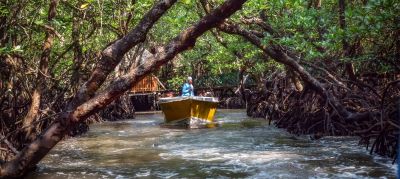
For travellers, this matters more than it may first appear. Renewable energy is part of why hotels, government offices, ferries, public spaces, and remote facilities in Andaman can function with fewer interruptions. It also reflects a broader shift in the islands toward responsible tourism and lower environmental impact, something that matters in a destination surrounded by fragile coral reefs, mangroves, and rainforest habitats.
What the solar power projects in Andaman look like
Solar energy in Andaman is not one single project. It is a mix of utility-scale plants, rooftop systems, hybrid setups with battery storage, and solar installations at public institutions and remote facilities. The scale and exact location of individual projects can change over time as new capacity is added, so it is best to think of solar here as a growing network rather than one landmark.
Utility-scale and community-focused installations
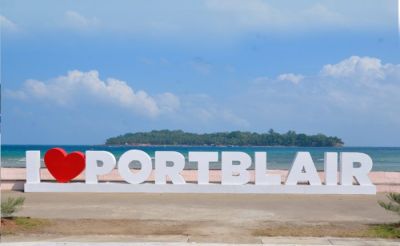
In and around Port Blair, the islands’ administrative hub, solar projects have been developed to strengthen local electricity supply. These are typically placed where land and infrastructure allow practical connection to the grid. Similar efforts also appear in some outlying islands and at public service sites where dependable electricity is essential.
Rooftop solar on hotels, offices, and institutions
Rooftop solar panels are increasingly visible on government buildings, schools, hospitals, resorts, and homestays. In tourist areas such as Port Blair, Havelock/Swaraj Dweep, and Neil/Shaheed Dweep, many properties use solar water heating or rooftop panels to offset part of their power use. This is often most noticeable in accommodation that markets itself as eco-conscious or off-grid friendly.
Solar for remote and backup use
In smaller or more remote settlements, solar systems often work alongside batteries and backup generators. This approach is useful in island conditions because it provides electricity during low-sun periods and reduces pressure on diesel-based supply. For travellers staying in less developed pockets, this can mean quieter operation and fewer outages, though power availability may still vary from property to property.
Where you may notice solar energy during your Andaman trip
You are unlikely to “tour” a solar farm the way you would visit a museum, but you will see the effects of solar energy throughout the islands. The most visible signs are on rooftops, near public facilities, and in properties that advertise sustainable operations. Here is where solar power tends to show up most clearly for visitors.
| Place | How solar power may show up | What it means for you |
|---|---|---|
| Port Blair | Rooftop systems, public buildings, energy infrastructure | More reliable urban electricity and greener government/public facilities |
| Swaraj Dweep (Havelock) | Eco-resorts, solar water heating, backup systems | Some properties run quieter and depend less on diesel generators |
| Shaheed Dweep (Neil) | Smaller-scale rooftop and hotel installations | Useful in a compact island where sustainability is part of the appeal |
| Diglipur and North Andaman | Mixed systems for homes, institutions, and services | Solar helps support facilities far from the main tourism corridor |
| Remote islands and villages | Standalone solar-battery setups | Improves access where large-grid supply is difficult |
If you are staying in Port Blair, ask your hotel whether it uses solar for water heating or common-area power. On Havelock or Neil, eco-lodges often mention solar use in their property details. This can help you choose a stay that aligns with your travel values without sacrificing comfort.
How solar projects influence the travel experience
Solar power in Andaman does not just sit in the background. It affects how stable electricity feels, how properties manage energy, and how sustainable tourism evolves across the islands. You may notice fewer loud diesel generators at some stays, better energy efficiency in newer buildings, and a stronger effort by operators to reduce their footprint.
That said, island power systems can still be affected by weather, demand spikes, and maintenance schedules. If you are travelling during peak season from December to March, or during the monsoon months when operations can slow down, always keep realistic expectations about electricity supply, internet speed, and hot water availability. Solar support helps, but it is not a guarantee of mainland-style consistency.
For travellers, this means packing a power bank, keeping digital copies of tickets and ID, and confirming whether your accommodation has inverter backup or solar-assisted hot water. These small steps make island travel smoother.
Best time to visit Andaman if you care about sustainable travel
Andaman is pleasant for most of the year, but the best months for a comfortable island trip are usually October to May. Skies are clearer, boat services tend to be easier to manage, and beach days are more reliable. This is also a sensible window if you want to observe how solar energy supports tourism infrastructure during a busy season.
The monsoon period, roughly June to September, brings heavier rain, rougher sea conditions, and occasional disruptions. Solar systems still operate, of course, but travel itself becomes less predictable. If your interest is in efficient, low-stress island travel, the dry months are better for you.
How to plan an eco-conscious Andaman itinerary
You do not need to make your trip all about solar power to travel responsibly in Andaman. A few practical choices can reduce your footprint and support the islands’ sustainability efforts.
- Choose properties that mention solar or energy-efficient practices. Look for rooftop solar, solar water heating, waste segregation, and water-saving measures.
- Travel light. Smaller baggage means lower strain on ferry and vehicle movement, especially when you move between islands.
- Use shared or pre-booked transfers. This is usually more efficient than arranging multiple short private rides.
- Carry reusable essentials. A bottle, cloth bag, and refillable toiletries reduce plastic use on the islands.
- Respect local conservation rules. Coral, turtle nesting zones, and mangroves are sensitive areas where responsible behaviour matters.
If you want a simple 4-day Andaman trip with a sustainability angle, you could spend 2 nights in Port Blair and 2 nights on Swaraj Dweep or Shaheed Dweep. This gives you a balance of city infrastructure, beach time, and a closer look at how island properties manage energy and water. Budget a little extra for quality eco-stays, which often cost around ?4,000-?10,000 per night depending on season and island.
What this means for your budget
Solar power projects do not directly change your sightseeing budget, but they can influence where your money goes. Eco-friendly stays in Andaman may cost more than basic rooms because they often invest in backup systems, water management, and better maintenance. For Indian travellers, a practical accommodation budget might look like this: ?2,500-?4,500 per night for standard stays, ?4,500-?10,000 per night for better resorts or eco-resorts, and higher during peak holiday dates.
Meals at local restaurants generally remain affordable, often ?250-?700 per person for a simple meal, while sea-facing or resort dining can cost more. Ferry fares and inter-island travel vary by operator and route, so confirm in advance. Since transportation is a big part of Andaman travel, planning well helps you save more than trying to cut corners on the island.
Practical tips before you book
- Confirm whether your accommodation has solar water heating, inverter backup, or generator support.
- Ask about electricity availability at night if you are staying in a remote or smaller property.
- Check ferry timings and weather-related advisories before moving between islands.
- Keep a buffer in your schedule for delays, especially in monsoon or high-tourist periods.
- Remember that project details, permits, and service availability can change, so verify with your hotel or tour operator before finalising bookings.
Frequently Asked Questions
Are there solar power projects in Andaman that tourists can visit?
Most solar installations in Andaman are infrastructure projects, so they are not set up as formal tourist attractions. You may notice rooftop systems at hotels, public buildings, and institutions, but access is usually not open for sightseeing. If you are keen to learn more, ask local operators or hotel staff about renewable energy practices in their property.
Does solar power make electricity more reliable in Andaman?
It helps, especially in reducing dependence on diesel and supporting backup supply. But island power can still be affected by weather, maintenance, and local demand. For your trip, it is best to treat solar as part of a mixed system rather than a full guarantee of uninterrupted power.
Which islands in Andaman are best for eco-friendly stays?
Port Blair, Swaraj Dweep, and Shaheed Dweep have the most visible range of hotels and resorts, including some that use solar power. These islands are also convenient for travellers who want a balance of comfort and sustainable travel options. Availability changes by season, so check recent reviews and direct property information before booking.
Will I save money by choosing a solar-powered hotel?
Not always. Solar-powered or eco-focused stays can be slightly more expensive because they often invest more in infrastructure and maintenance. The trade-off is better sustainability, and sometimes quieter, more self-sufficient operations.
Is it worth including solar power projects in an Andaman itinerary?
If you are interested in sustainable travel, yes. The projects may not be dramatic sightseeing stops, but they give you a better understanding of how island life works and how Andaman is adapting to tourism and energy needs. For many travellers, that context makes the trip feel more meaningful.
What should I carry to reduce energy dependence during my trip?
A power bank, reusable water bottle, small torch, and digital copies of tickets are useful. If you are staying in a property with limited backup, these basics help you stay comfortable. They also reduce your reliance on constant charging and disposable supplies.
Conclusion
Andaman’s solar power projects may not be the first thing you think about when you picture the islands, but they are an important part of the destination’s present and future. They support cleaner tourism, improve resilience, and quietly shape the experience of staying, moving, and exploring across the islands. If you travel here with a little curiosity and a practical mindset, you will notice that sustainability is not separate from the holiday, it is part of what keeps island life running.
If this guide helped you understand Andaman better, share the post with someone planning a responsible island trip.
Disclaimer : The information provided in this blog is for general informational purposes only. While we strive to keep the content accurate and updated, TravelSetu assumes no liability for errors or omissions. If you believe any part of this blog infringes your rights or causes concern, please notify us immediately at info[at]travelsetu[dot]com so that appropriate action can be taken.