Bagan (Myanmar (Burma)) FAQs In 2026 - 2027
Historical
10 FAQs on Bagan
What is Bagan known for?
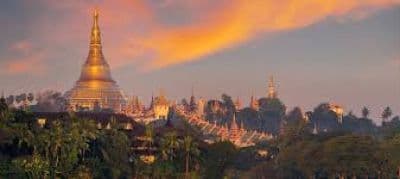
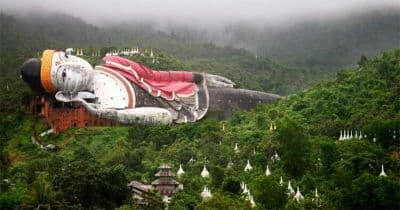
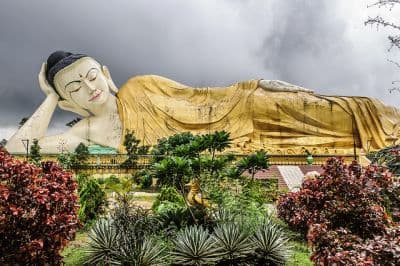
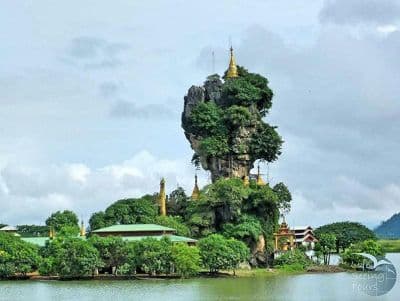
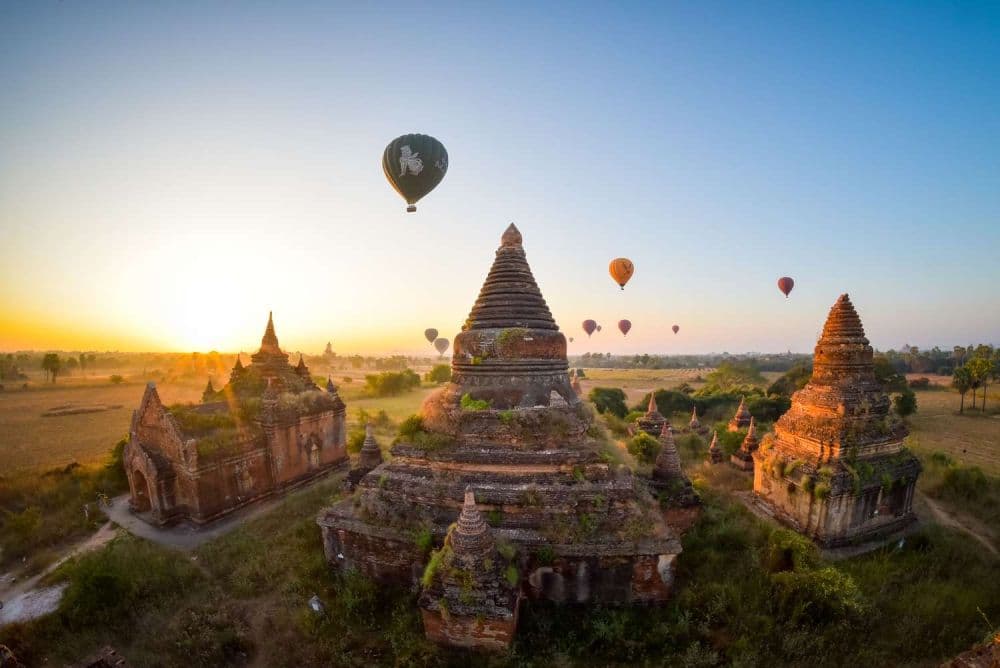
Bagan is known for its vast and remarkable complex of Buddhist temples, pagodas, stupas, and ruins located in the Mandalay Region of Myanmar. It is one of the world's greatest archaeological sites, comparable to Angkor Wat in Cambodia or Machu Picchu in Peru, with thousands of structures dating back to the 9th to 13th centuries spread over an area of 104 square kilometers.
When is the best time to visit Bagan?
The best time to visit Bagan is during the dry season from November to February when the weather is cooler and less humid, making outdoor exploration more comfortable. This is considered the peak tourist season, so expect larger crowds and higher prices during this time.
How do I get to Bagan?
Tourists can get to Bagan by air, bus, train, or boat. The nearest airport is the Nyaung U Airport, which has domestic flights from major cities like Yangon, Mandalay, and Heho. Overnight buses from Yangon and Mandalay are also available. Train and boat services provide a more scenic but slower travel option.
Where should I stay when visiting Bagan?
There are a variety of accommodation options in Bagan, mostly concentrated in three main areas: Nyaung U, Old Bagan, and New Bagan. Nyaung U is popular among budget travelers and offers a selection of guesthouses and hotels. Old Bagan is where some of the luxury hotels are situated within close proximity to the ancient temples. New Bagan offers mid-range accommodations with good facilities.
Are there any entrance fees to visit the temples in Bagan?
Yes, there is an entrance fee for the Bagan Archaeological Zone. The fee can change, but it typically gives tourists access to all the temples and several museums within the region for the duration of their stay. It's important to keep the ticket handy, as it may be checked at major temples. The cost of the fee contributes to the maintenance and preservation of the area.
What is the best way to explore the temples of Bagan?
The best way to explore the temples of Bagan is by renting an electric e-bike or bicycle, which allows for flexibility to roam around the vast area. Guided tours, either private or in a group, can also be arranged and offer the benefit of insight from knowledgeable guides. Horse carts are available for a more traditional form of transport. Hot air balloon rides, while more costly, offer a spectacular aerial view of the landscape, especially at sunrise or sunset.
What should I wear when visiting Bagan?
Visitors should dress modestly when visiting the temples of Bagan out of respect for the religious and cultural customs. It is recommended to wear clothing that covers shoulders and knees; this is particularly important when entering temples and pagodas. Comfortable footwear that can be easily removed is also suggested as shoes must be taken off before entering the sacred areas.
Can I climb the temples in Bagan?
Climbing on the temples in Bagan is generally discouraged to preserve the ancient structures, and it may be banned at certain temples for safety reasons or conservation efforts. There may be designated temples with viewing platforms or terraces that allow for an elevated view of the area, but it's essential to follow local regulations and respect closed-off areas.
Are there any cultural experiences or festivals in Bagan?
Bagan has a rich cultural heritage, and visitors can enjoy various cultural experiences, such as traditional puppet shows, lacquerware workshops, and Burmese cooking classes. The Ananda Temple Festival is one of the most significant festivals in Bagan, usually taking place in January, where you can witness religious rituals, local markets, and cultural performances.
Is Bagan safe for tourists?
Bagan is generally considered safe for tourists. The locals are known for their friendliness towards visitors. However, as with any travel destination, it's essential to remain aware of your surroundings, guard personal belongings, and follow local advice, especially regarding areas to avoid as the country may have regions of ongoing conflict or unrest.
Places to Visit in Bagan
View all places to visit in Bagan
Ananda Temple

Shwezigon Pagoda

Dhammayangyi Temple

Thatbyinnyu Temple

Sulamani Temple
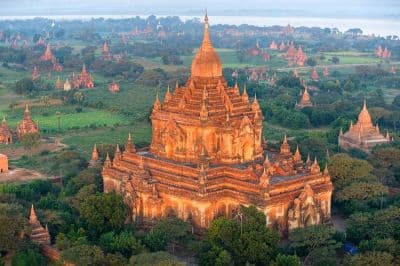
Htilominlo Temple

Bagan Archaeological Museum

Shwesandaw Pagoda

Gawdawpalin Temple

Bulethi Pagoda

Pyathada Pagoda
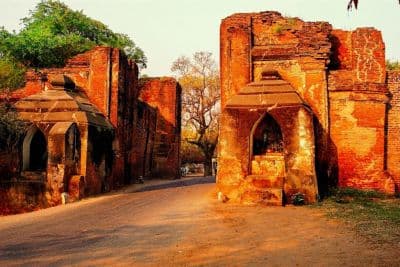
Tharabar Gate

Manuha Temple

Myinkaba Village
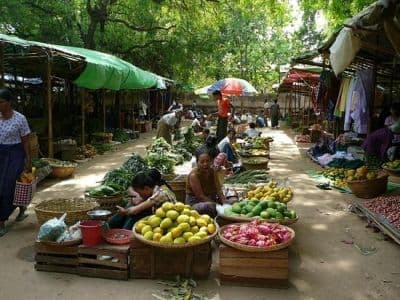
Nyaung U Market
Explore 3 Religious Places to Visit in Bagan
View 3 Religious Places to visit in BaganExplore 10 Historical Places to Visit in Bagan
View 10 Historical Places to visit in BaganAnanda Temple
Bagan
Shwezigon Pagoda
Bagan
Thatbyinnyu Temple
Bagan
Sulamani Temple
Bagan
Htilominlo Temple
Bagan
Gawdawpalin Temple
Bagan
Bulethi Pagoda
Bagan
Pyathada Pagoda
Bagan
Tharabar Gate
Bagan
Manuha Temple
Bagan