Kedarnath Wildlife Sanctuary Tourism
About Kedarnath Wildlife Sanctuary


| Monday | 4:00 AM to 7:00 PM |
|---|---|
| Tuesday | 4:00 AM to 7:00 PM |
| Wednesday | 4:00 AM to 7:00 PM |
| Thursday | 4:00 AM to 7:00 PM |
| Friday | 4:00 AM to 7:00 PM |
| Saturday | 4:00 AM to 7:00 PM |
| Sunday | 4:00 AM to 7:00 PM |
Opening hours can change for special events or maintenance. Check with the local tourism office or the official website before you go.
| Adult | INR 150 |
|---|---|
| Child | INR 75 |
Prices are subject to change; please check before visiting.
✓ Carry warm clothing as temperatures can drop significantly.
✓ Respect the local wildlife and maintain a safe distance.
✓ It is best to hire a guide knowledgeable about the area and its biodiversity.
✓ Make sure to check for current travel advisories and weather conditions.
yashwantjaiswal31
4.0Wrote on 18 Dec 2018
chamoli
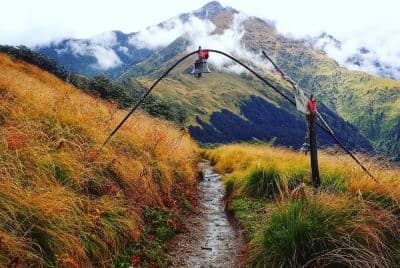
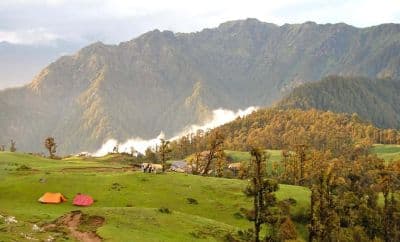
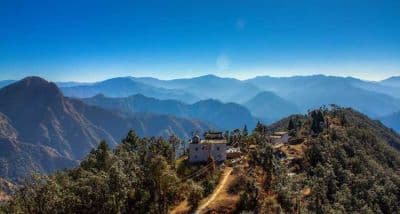
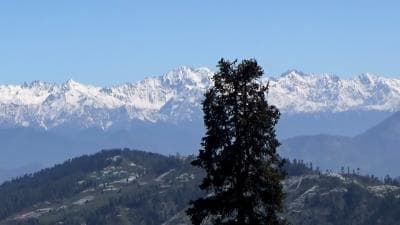
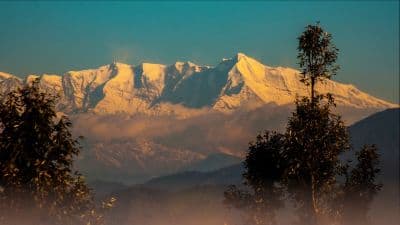
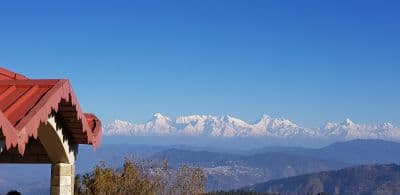
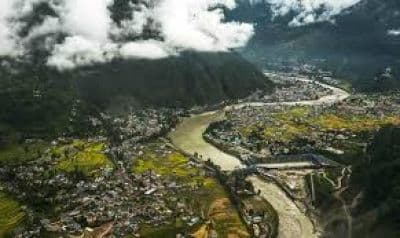
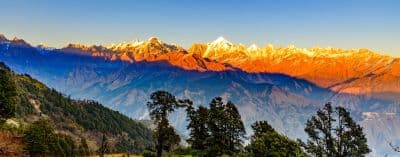
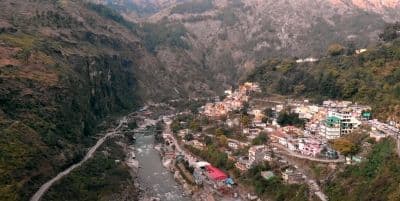
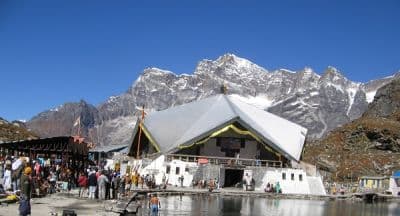
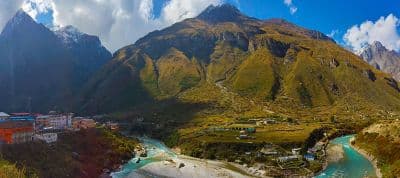
Kedarnath Wild Life Sanctuary, also called the Kedarnath Musk Deer Sanctuary, is a wildlife sanctuary declared under Wildlife Protection Act, 1972 and located in Uttarakhand, India. Its alternate name comes from its primary purpose of protecting the endangered Himalayan musk deer.[1] Consisting of an area of 975 km2 (376 sq mi), it is the largest protected area in the western Himalayas. It is internationally important for the diversity of its flora and fauna (particularly of ungulate species).[2][3] Located in the Himalayan Highlands with an elevation ranging from 1,160 m (3,810 ft) (near Phata) to the Chaukhamba peak at 7,068 m (23,189 ft), it was a notified reserve forest between 1916 and 1920. It was changed to a sanctuary on 21 January 1972, and has been designated a "Habitat/Species Management Area" by the IUCN.[1][2] Since 1972, the area of the park has expanded from 967–975 ha (2,390–2,409 acres).[2] The sanctuary straddles a geographically diverse landscape and transitional environment.[4][5] IUCN has reported that "From 44.4% to 48.8% of the sanctuary is forested, 7.7% comprises alpine meadows and scrub, 42.1% is rocky or under permanent snow and 1.5% represents formerly forested areas that have been degraded."[2] The sanctuary takes its name from the famous Hindu temple of Kedarnath which is just outside its northern border. The entire 14 km (9 mi) route from Gaurikund to Kedarnath temple (3,584 m or 11,759 ft) passes through the sanctuary
garhwaliya
4.0Wrote on 31 Jul 2017
Decent place
This place is decent. Good for birds. Can be go over there with friends and kids. We enjoyed a lot over here.
ArpitA182
4.0Wrote on 30 Jan 2016
trip to heavenly kedarnath wildlife sanctuary
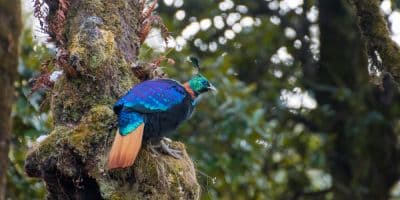
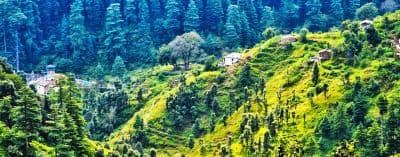
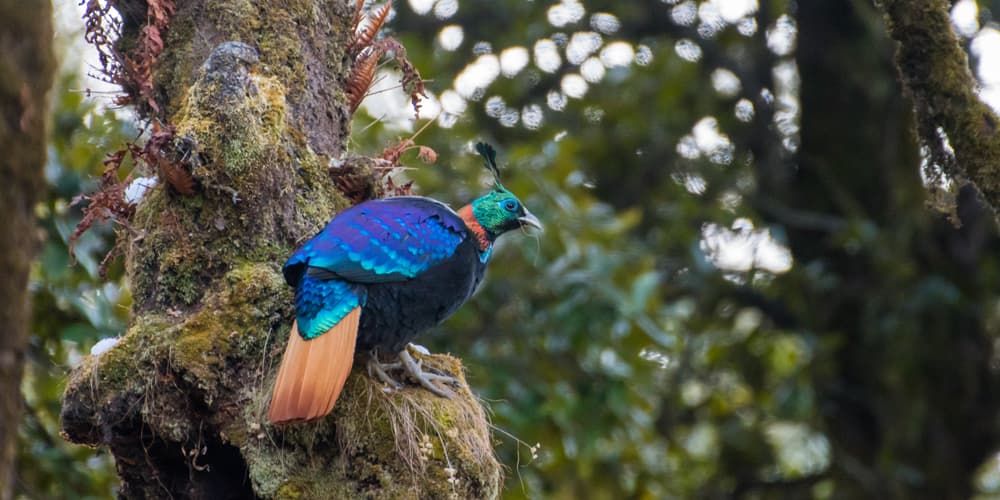
experienced rare and exotic himalayan flaura and fauna along with multiple alpine meadows and high peaks to impart it a heavenly aura. rhododendrons of all variety with varing elevations is brilliant sight. rare monal can be commonly seen and captured in camera. also i found himalayan mouse hare and red panda along with leopards, deers and other rare birds and animals usually rare and to be seen only at high elevations
Tara Kund
Jim Corbett

2 Night Jimcorbett
2 Nights & 3 Days