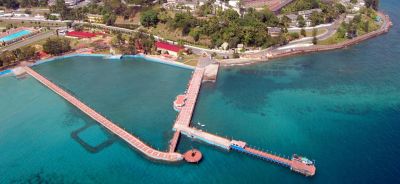
Andaman Craggy Island and North Andaman
If you are planning an Andaman trip and want something quieter than the usual Port Blair-Havelock-Neil circuit, Craggy Island and North Andaman can be an excellent combination. This itinerary suits travellers who want a mix of clear-water diving, long empty beaches, mangroves, limestone caves, and a slower pace that feels far removed from city life.
In this guide, you will find what to expect in Craggy Island and North Andaman, how to reach them, the best time to go, where to stay, and practical budget tips for Indian travellers. It is written to help you plan a realistic trip, not just dream about one.
Why Combine Craggy Island with North Andaman
Craggy Island gives you the water-based Andaman experience: scuba diving, snorkelling, boat rides, and those calm tropical mornings many travellers come here for. North Andaman, on the other hand, is more spread out and less commercial, with long road journeys, forest stretches, and places like Diglipur and Mayabunder that reward travellers who do not mind getting off the usual route.
Together, they work well if you want two very different sides of the islands in one trip. One part is about the sea and marine life; the other is about landscapes, local villages, and a quieter rhythm that many first-time visitors miss.
Understanding Craggy Island in the Andaman Context
Craggy Island is commonly discussed by travellers as a dive-focused and sea-adjacent experience in the Swaraj Dweep/Havelock area, rather than as a mainstream sightseeing stop. Depending on how your package is arranged, you may hear the name used for a dive site, a resort-style stay, or a boating and snorkelling point connected to the Havelock side of Andaman.
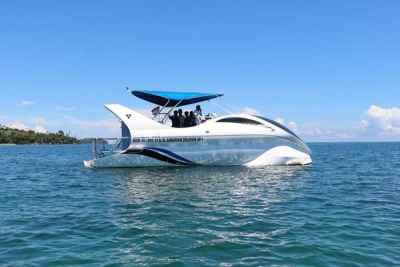
If your trip includes Craggy Island, ask your operator exactly what is included: a boat transfer, a dive excursion, a beach-facing stay, or a combination of these. In Andaman, names are sometimes used loosely in package discussions, so it is worth confirming the exact location and inclusions before booking.
What to do around Craggy Island
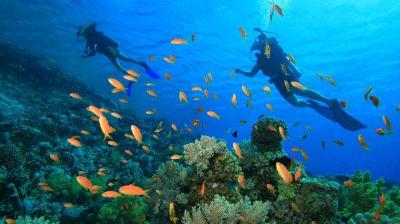
The main draw here is the water. You can expect beginner-friendly scuba experiences, certified dives, snorkelling sessions, and boat transfers to nearby reef points depending on sea conditions. Visibility is often best in the drier months, though marine conditions can change from day to day.
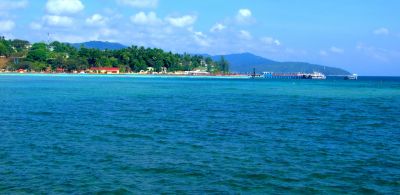
If you are not a diver, you can still enjoy the calm sea atmosphere, beach time, and short boat-based outings. This is a good place to slow down for a day or two rather than rushing between attractions.
How to Reach North Andaman
North Andaman is reached indirectly through Port Blair first. Most travellers fly into Veer Savarkar International Airport, Port Blair, from cities like Kolkata, Chennai, Bengaluru, Delhi, and Hyderabad. From Port Blair, you usually continue by government or private ferry to the northern islands, or by a combination of ferry and road if your route includes more remote stops.
For North Andaman, the key destinations are Diglipur, Mayabunder, Rangat, and nearby beaches and reserves. Travel time by sea and road can be long, so plan for a relaxed itinerary. Ferries and road connections depend on schedules and weather, and timings can change, so confirm current arrangements before finalising your booking.
Typical travel flow
- Port Blair to Havelock/Swaraj Dweep: around 1.5 to 2.5 hours by ferry, depending on service
- Havelock to North Andaman route: usually indirect, via Port Blair or a longer ferry chain depending on operator and schedule
- Port Blair to Diglipur by road: roughly 8 to 10 hours, sometimes more with stops and road conditions
- Rangat to Diglipur: around 3.5 to 5 hours by road
Because North Andaman is time-intensive, do not try to compress too much into a short holiday. A trip of 7 to 10 days works much better than a rushed 4-night plan.
Best Time to Visit
The most comfortable period for this route is usually October to April. The sea is calmer, ferry movement is more reliable, and underwater visibility is often better for diving and snorkelling around the Havelock side. For North Andaman, the weather is also more manageable for road travel and sightseeing during these months.
May and early June can still work if you are flexible, but humidity rises and the sea can become less predictable. July to September is monsoon season, when heavy rain may affect ferry timings, beach activities, and road movement in North Andaman. If you are travelling during monsoon, keep buffer days in your itinerary.
Top Experiences in Craggy Island and North Andaman
1. Scuba diving and snorkelling
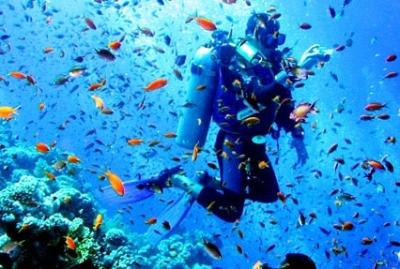
For many travellers, this is the reason to include Craggy Island in the plan. Beginner discovery dives are widely available in the Andaman islands, and certified divers can join deeper reef dives if sea conditions allow. Expect a beginner dive package to cost around ?3,500-?6,500, while certified fun dives may range from ?3,000-?5,500 per dive, depending on operator and season.
Always ask whether gear, boat transfer, photos, and instructor support are included. If you are new to diving, choose a centre with a clear briefing and avoid booking purely on price.
2. Diglipur and the Saddle Peak belt
North Andaman’s best-known land experience is Saddle Peak National Park, near Diglipur. It is the highest point in the Andaman and gives you a forested break from beach travel. Trek access and entry rules can change, so check locally before you go. Even if you do not trek, the drive through Diglipur’s quieter stretches is rewarding in itself.
3. Ross and Smith Islands
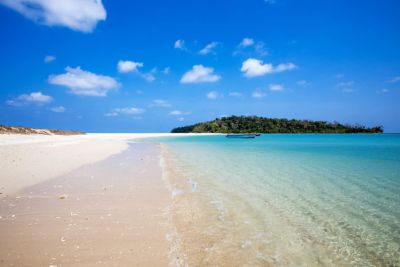
Near Diglipur, Ross and Smith are connected by a natural sandbar that appears and disappears with the tide. This is one of the most photographed spots in North Andaman, and it is especially pleasant in dry months when the sea is calmer. Boat permits, entry timings, and local conditions should be checked on the day of travel.
4. Kalipur and Ramnagar beaches
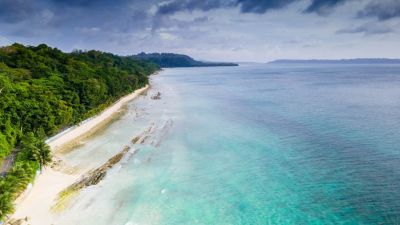
Kalipur Beach and Ramnagar Beach are popular for their long, quiet shoreline and a more local atmosphere. These beaches are not about beach clubs or big crowds; they are for travellers who like slow walks, sunrise views, and simple stays. During nesting season, some stretches may have restrictions, so respect local guidance.
5. Mayabunder and the road journey itself
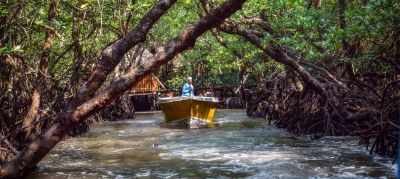
Many first-time visitors overlook Mayabunder, but it works well as a stopover on the way north. The town offers a useful break point, and the drive through mangrove patches and forested areas shows a very different side of the Andamans. If you enjoy road trips, the overland journey is part of the experience rather than just transit.
Suggested Itinerary for 7 to 8 Days
| Day | Plan | Why it works |
|---|---|---|
| Day 1 | Arrive in Port Blair, overnight stay | Gives buffer for flight delays and ferry coordination |
| Day 2 | Move to Havelock/Swaraj Dweep, Craggy Island activity or dive session | Good way to start with sea activities when you are fresh |
| Day 3 | More diving, snorkelling, or relaxed beach time | Keeps your island leg comfortable and unhurried |
| Day 4 | Return to Port Blair and prepare for North Andaman transfer | Helps you reset before the longer travel leg |
| Day 5 | Travel to Rangat or Mayabunder | Breaks the long route into manageable parts |
| Day 6 | Continue to Diglipur, evening beach walk | Positions you for Ross and Smith or Saddle Peak |
| Day 7 | Ross and Smith or Saddle Peak area | Main highlight day in North Andaman |
| Day 8 | Return journey via Rangat/Mayabunder or stay overnight depending on plan | Builds in realistic travel time |
If you have only 5 to 6 days, focus mainly on Havelock and one North Andaman stop, not the whole circuit. Otherwise, you will spend too much time in transit.
Where to Stay and What It Costs
Accommodation choices vary by island and comfort level. In Havelock, you will find beach resorts, mid-range cottages, and simple stays. In North Andaman, especially Diglipur and Mayabunder, options are more limited but often good enough for practical travellers.
- Budget stays: ?1,500-?3,000 per night
- Mid-range stays: ?3,500-?7,000 per night
- Higher-end beach stays: ?8,000-?15,000+ per night
In peak season, room rates rise quickly, and the best properties get booked early. If you are going during December, New Year, or school holiday periods, book well in advance.
Food, Local Transport, and Daily Budget
Food in Andaman is generally simple, with Indian meals, seafood, and basic snack options. In more remote North Andaman locations, restaurant variety is limited, so it is wise to plan meals around your stay. Fresh fish, prawns, rice, dal, and veg thalis are common and usually reliable.
For local movement, you will mostly rely on ferries, pre-booked cabs, and hotel-arranged transfers. Self-drive options are limited and not the best choice for a first-timer. Expect local taxi and transfer costs to be higher than mainland India because fuel, supply, and logistics are more expensive.
A realistic per-person daily budget for a comfortable trip can look like this:
- Budget traveller: ?2,500-?4,500 per day excluding flights
- Mid-range traveller: ?5,000-?9,000 per day excluding flights
- Comfort-focused traveller: ?10,000+ per day excluding flights
Flights to Port Blair vary a lot by season and departure city. If you book early, you may find round-trip fares in the range of ?8,000-?18,000 from major Indian cities, but peak dates can be much higher.
Practical Tips Before You Go
- Keep buffer days. Ferry delays, weather changes, and road timings can affect the plan.
- Book ferries and stays early. Especially important during school holidays and winter peaks.
- Carry cash. UPI works in many places, but connectivity can be patchy in remote areas.
- Pack light. A small suitcase or backpack is easier for ferry and road transfers.
- Check permits and local rules. Entry rules for certain islands, beaches, and reserves can change.
- Choose reef-safe habits. Avoid littering, do not touch coral, and follow your dive guide’s instructions.
Frequently Asked Questions
Is Craggy Island good for first-time travellers to Andaman?
Yes, if you enjoy water activities and want a quieter island feel. It is especially appealing if you want diving or snorkelling as part of your trip. Just confirm the exact activity or stay being offered under the Craggy Island name before booking.
How many days are enough for North Andaman?
At least 3 to 4 days are needed if you want to visit Diglipur and nearby attractions without rushing. If you want to include road travel comfortably from Port Blair, 4 to 5 days is even better. Anything shorter tends to feel too packed.
Can I do both Craggy Island and North Andaman in one short trip?
You can, but it is best to have 7 days or more. The travel time between islands and the long road stretches in North Andaman make short trips tiring. If your leave is limited, focus on one part rather than trying to cover everything.
Is North Andaman suitable for families?
Yes, families who are comfortable with longer drives and simpler stays usually enjoy it. Beaches like Kalipur and the Diglipur area can be peaceful and rewarding for children and adults alike. Do keep snacks, medicines, and basic essentials with you because shops may be limited.
What is the best month for diving near Havelock?
October to April is usually the most reliable period for diving and boat-based activities. Sea conditions are typically calmer, and underwater visibility is often better. Even then, local weather can change plans, so always check the operator’s advice on the day.
Are ferries and permits easy to arrange?
They are manageable, but not something you should leave to the last minute. Schedules can change, and some attractions have limited daily access. A good travel partner or hotel desk can save you a lot of time, especially for a route involving North Andaman.
Final word: If you want Andaman to feel slower, cleaner, and more immersive, combining Craggy Island with North Andaman is a smart choice. It gives you both the sea-focused side of the islands and the quieter northern stretch that many travellers never reach.
If this guide helped you plan better, please share this post with someone who is thinking about an Andaman trip.
Disclaimer : The information provided in this blog is for general informational purposes only. While we strive to keep the content accurate and updated, TravelSetu assumes no liability for errors or omissions. If you believe any part of this blog infringes your rights or causes concern, please notify us immediately at info[at]travelsetu[dot]com so that appropriate action can be taken.