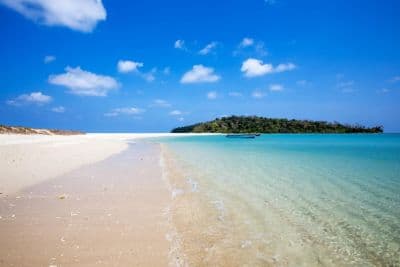
If you are planning an Andaman trip and want something quieter than the usual beaches and water-sport circuit, the Dhani Nallah Mangrove Walk deserves a place on your itinerary. This is a short, easy excursion near Rangat that gives you a close look at mangroves, a calm wooden walkway, and a long, peaceful beach at the end.
For Indian travellers who like nature without too much effort, it works well as a half-day stop on a Middle Andaman road trip. You will leave with a better sense of the islands beyond Port Blair and Havelock, plus a few practical tips on how to include it comfortably in your plan.
Where Dhani Nallah fits in your Andaman itinerary
Dhani Nallah is in Middle Andaman, near Rangat, along the road that connects the southern and northern parts of the island. It is commonly visited with the nearby Moricedera beach stretch and other Rangat-side attractions, so you do not need to dedicate a full day just to this one stop.
From Port Blair, the drive is long enough to feel like a proper road journey: usually around 90-110 km to Rangat, depending on your route and the ferry or road segment you use, with travel time often taking 4.5 to 6 hours or more. If you are already staying in Rangat, it is much easier; Dhani Nallah is then just a short drive away. Because road conditions, ferry timings and check-post procedures can change, confirm your route before you start.
Most travellers pair this with a stay in Rangat rather than rushing it as a day trip from Port Blair. That gives you time to enjoy the mangrove walk slowly, spend a while on the beach, and avoid the pressure of returning late.
What the mangrove walk is actually like
The main attraction here is a raised wooden walkway that passes through mangrove vegetation, keeping you above the muddy ground and tidal water below. It is not a long or strenuous trail, and that is exactly why many travellers enjoy it. You can walk at an easy pace, take photographs, and watch the roots, creeks and birdlife without needing trekking shoes or special fitness.
The setting changes with the tide and the time of day. When the light is soft in the morning or late afternoon, the green of the mangroves looks especially good in photos. At higher tides, the water around the roots makes the whole area feel more alive. At lower tides, you may notice more of the creek bed and the tangle of roots that help stabilise the coastline.
This is one of those places where the experience is less about big sightseeing and more about slowing down. If you are travelling with children, older parents or someone who prefers an easy walk, it is a good fit. The path is generally beginner-friendly, but as with any boardwalk, you should still watch your step during wet weather.
Why Dhani Nallah matters for first-time visitors to Andaman
Many first-time visitors to Andaman stay focused on Port Blair, Havelock and Neil Island. That is understandable, but it means you miss the quieter ecological side of the archipelago. Dhani Nallah gives you a simple introduction to one of the most important coastal ecosystems in the islands: mangroves.
Mangroves are not just scenic. They protect the shoreline from erosion, provide breeding grounds for fish and crustaceans, and support birdlife and other coastal species. When you walk through Dhani Nallah, you are seeing a living system that helps keep the islands healthy. It is a useful stop if you want your Andaman holiday to feel a little more meaningful than a pure beach break.
The walk also works well for travellers who are not keen on snorkelling or scuba diving. You still get a nature-based Andaman experience without being in the water for hours. For many families, that makes it easier to include on an itinerary with mixed age groups and different energy levels.
Best time to visit and how long to keep aside
The best overall season for Andaman travel is generally from October to May, when the weather is more stable and sea conditions are usually better for inter-island movement. For Dhani Nallah specifically, the monsoon months can bring heavier rain and a damp, slippery feel to the walkway, so the experience may be less comfortable from June to September. Even then, exact weather can vary, so check local conditions before heading out.
As for timing in the day, morning and late afternoon usually work best. Morning visits often feel quieter, while the late afternoon light is pleasant and the heat is softer. Midday can be warm and humid, especially if you are visiting in peak season.
You usually do not need more than 45 minutes to 1.5 hours for the mangrove walk itself, depending on how many photos you take and whether you continue to the beach area. If you are stopping as part of a larger Rangat circuit, keep 2-3 hours aside so you are not rushed.
How to reach Dhani Nallah
Most visitors reach Dhani Nallah by road from Rangat or from a longer inter-island route that includes a stop in Middle Andaman. Private taxis and shared transport are the most common practical options for tourists. If you are planning independently, ask your hotel or homestay in Rangat to help arrange a cab for the day.
If you are starting from Port Blair, it is important to think in terms of an entire day of travel, not just the final destination. The route may involve ferries, road transfers or both, depending on your plan and the current transport schedule. Self-driving is possible only if you have confirmed vehicle permits and you are comfortable with island road conditions.
For families or groups, hiring a private cab is often the simplest option. It costs more than shared transport, but it saves time and makes it easier to combine Dhani Nallah with other Middle Andaman stops. Expect local taxi pricing to vary by season and vehicle type, and confirm the rate before you leave.
| Travel option | Typical experience | Approximate cost |
|---|---|---|
| Private cab from Rangat | Most convenient for families and small groups | Rs.1,500-Rs.3,000 for a local half-day circuit |
| Shared local transport | Cheaper but less flexible | Rs.100-Rs.300 per person, if available |
| Port Blair to Middle Andaman day movement | Long travel day, best for tightly planned itineraries | Varies widely; confirm current cab and ferry costs |
What to combine with Dhani Nallah in Middle Andaman
Dhani Nallah is best enjoyed as part of a broader Middle Andaman plan. If you are already in Rangat, you can use the day to see a mix of coastline, mangroves and local village scenery instead of making a single-stop trip.
Best nearby pairings
- Moricedera beach stretch for a quieter coastal stop after the walk.
- Rangat town for food, ATM access and a practical overnight base.
- Long Island or Dhani Nallah-area beaches if your route and ferry connections fit.
- Other Middle Andaman viewpoints and village stretches recommended by your local driver or homestay host.
If you are doing a relaxed Andaman itinerary of 7-10 days, one night in Rangat can make a big difference. You avoid backtracking and get to see a side of the islands that many tourists skip entirely. It also helps break up a schedule that might otherwise feel too packed with ferry timing and resort check-ins.
Practical tips for a smoother visit
A little preparation makes Dhani Nallah more enjoyable, especially if you are visiting in warm weather or after a long road journey. The walk itself is simple, but the surroundings are coastal and the weather can shift quickly.
- Wear light, breathable clothes and comfortable footwear with a decent grip.
- Carry drinking water, especially if you are combining this with other sightseeing stops.
- Keep mosquito repellent handy, particularly in the morning or near greenery.
- Protect your phone and camera from sudden rain or splashes if the weather looks uncertain.
- Do not litter; mangrove zones are sensitive and need careful handling from visitors.
- If travelling with seniors or children, avoid rushing and give them time on the boardwalk.
There are usually basic local facilities around popular tourist stops, but do not expect a large commercial setup. It is wiser to use facilities before you enter the walk and to keep a small day bag with essentials. The area is best appreciated when you are self-sufficient for a few hours.
Sample itinerary for a short Middle Andaman day
If you want a simple plan, here is a realistic half-day approach from Rangat. It keeps the day comfortable and avoids overpacking too many stops.
- Start after breakfast from your hotel or homestay in Rangat.
- Reach Dhani Nallah by late morning or early afternoon.
- Spend 30-60 minutes on the mangrove walkway and photography.
- Continue to the nearby beach area for a slow walk and rest.
- Return to Rangat for lunch or continue to another nearby stop if time allows.
If you are using this as part of a longer Andaman route, this kind of pacing works better than trying to squeeze everything into one travel day. Middle Andaman rewards slower movement, and Dhani Nallah is one of the clearest examples of that.
Frequently Asked Questions
Is Dhani Nallah worth visiting if I have only a short Andaman trip?
Yes, if you are staying in Middle Andaman or you want one quieter nature stop in your itinerary. It is not a high-adrenaline attraction, but it offers a refreshing change from beaches and ferries. If your trip is very short and concentrated only around Port Blair and Havelock, you may find it difficult to fit in.
How much time should I keep for the mangrove walk?
Most visitors spend around 45 minutes to 1.5 hours here. That gives you time to walk comfortably, stop for photos and perhaps spend a little while near the beach. If you are visiting with children or older family members, allow a bit more time so the experience stays relaxed.
Is the walkway suitable for senior citizens?
Generally, yes, as long as they are steady on their feet and comfortable with short walks. The trail is easier than a trekking route, but the wooden surface can still feel slippery if it is wet. Supporting footwear and an unhurried pace are a good idea.
Can I visit Dhani Nallah during monsoon?
You can, but the experience may not be ideal. The area can become damp, and heavy rain can make road travel slower and the walkway less comfortable. If your schedule is flexible, the period from October to May is usually better for this type of outing.
Are there food stalls or shops nearby?
There may be some basic local options around popular stretches, but you should not count on a large café or restaurant setup right next to the walk. It is safer to eat before or after your visit in Rangat. Carrying water and a light snack is a sensible idea.
Is Dhani Nallah a good stop for photography?
Yes, especially if you like nature shots, boardwalk perspectives and soft coastal light. Early morning and late afternoon usually give the best results. Just be mindful of other visitors and avoid stepping off designated paths.
Final thoughts
Dhani Nallah Mangrove Walk is not loud, dramatic or crowded, and that is exactly its appeal. It gives you a calm, grounded look at Andaman’s coastal ecosystem, and it fits neatly into a Middle Andaman journey without demanding too much time or effort.
If you are planning an Andaman holiday and want something beyond the usual island checklist, this stop adds variety, movement and a quieter kind of beauty to your trip. Share this post with anyone planning an Andaman itinerary and trying to decide how to include Rangat in their route.
Planning a Andaman trip?
Tell us your dates and who is travelling. Up to three local travel companies send you their itinerary and price.
Get free quotesDisclaimer: The information in this blog is for general information only. We try to keep it accurate and up to date, but TravelSetu accepts no liability for errors or omissions. If you believe any part of it infringes your rights, please write to info@travelsetu.com.