Andaman Great Nicobar Project Context
If you are planning an Andaman trip and have come across references to the Great Nicobar project, you are probably looking for clear, travel-friendly context rather than jargon. This guide explains where Great Nicobar fits into the Andaman and Nicobar Islands, why the project is being discussed, and what it means for travellers who want to understand the region better before booking a holiday.
Great Nicobar is not a standard tourist stop like Port Blair, Havelock or Neil, but it is part of the same island chain that draws so many Indian travellers to the Bay of Bengal. Knowing the larger picture helps you plan a smarter Andaman itinerary, especially if you are curious about development, ecology, island access and what remains open for tourism today.
Where Great Nicobar Fits in the Andaman Story
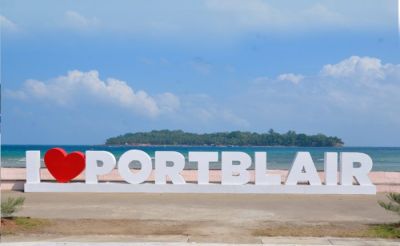
The Andaman and Nicobar Islands are a Union Territory spread across a long arc in the Bay of Bengal. Most first-time visitors stay in the Andamans, around Port Blair, South Andaman, Havelock Island and Neil Island, because these places are better connected and set up for tourism. Great Nicobar lies much farther south, closer to Indonesia than to mainland India, and is the largest island in the Nicobar group.
For context, this is important: when people say “Andaman trip,” they usually mean the tourist-friendly northern and central islands. Great Nicobar is remote, ecologically sensitive and far less accessible. So the current project discussions around it are less about standard sightseeing and more about development, strategic location, conservation and future infrastructure.
What the Great Nicobar Project Is About
The Great Nicobar project is generally discussed as a large-scale development plan for the island, involving infrastructure, logistics and connectivity. The broad idea is to create better facilities and strategic capacity in a location that sits along major sea routes. Because Great Nicobar is remote and environmentally fragile, the project has drawn attention from planners, conservation experts and travellers alike.
If you are reading about this as a visitor, the key point is that the project is not a tourism package in itself. It is a development and planning issue that affects the island’s long-term future. For travellers, that means the island’s access rules, available facilities and environmental management may evolve over time, but any visit will still depend on permits, local regulations and operational realities.
Why Travellers in Andaman Should Care
You may be wondering why a development project matters if you are only visiting Port Blair, Baratang or the Radhanagar side of the islands. The answer is simple: island tourism in the Andamans is closely tied to ecology, transport and local capacity. Major changes in one part of the archipelago can influence how people think about conservation, infrastructure and travel policy across the region.
Even if you never set foot in Great Nicobar, the debate around it can help you understand why some islands have limited visitor access, why transport is carefully managed, and why the Andaman experience feels different from a typical mainland beach destination. The islands are not built for mass tourism in the same way as Goa or Kerala’s larger resort belts.
Access, Distance and the Reality of Travelling to Great Nicobar
Great Nicobar is far from the usual tourist circuit. Reaching the Nicobar group is not as simple as taking a ferry from Port Blair to Havelock. Travel there is generally restricted, infrequent and subject to permissions, security considerations and weather conditions. For most Indian travellers, this means Great Nicobar is more of a region to understand than a place to casually add to a holiday.
If you are mapping the island chain, here is the practical perspective: Port Blair is the main entry point to Andaman tourism, and from there you can move to islands with established ferry or flight connections, depending on season and service schedules. Great Nicobar sits much farther south, and any official access updates should be checked well in advance with current authorities or your tour operator. Do not assume standard public tourism-style connectivity.
Environmental Sensitivity and Local Landscape
Great Nicobar is known for dense forests, coastal stretches and a highly sensitive ecosystem. That is one reason any large project in the area attracts scrutiny. The Nicobar islands are home to unique biodiversity, and island habitats can be especially vulnerable to clearing, construction, freshwater stress, erosion and changes in settlement patterns.
For travellers, this matters because Andaman is often marketed simply as “sun, sea and sand,” while in reality it is much more delicate than that. When you travel anywhere in this island chain, especially beyond the main tourist centres, responsible behaviour is essential: minimise plastic use, respect local rules, and remember that not every beautiful-looking shore is meant for casual footfall or unrestricted access.
What This Means for Regular Andaman Holiday Planning
If your trip is focused on the familiar Andaman route, the Great Nicobar project is background context rather than an itinerary item. You can still plan a smooth holiday around Port Blair, Swaraj Dweep (Havelock), Shaheed Dweep (Neil), Baratang and other accessible areas without involving Nicobar at all. For a typical 5- to 7-day trip, that is the most practical choice.
Here is a simple way to think about it:
| Travel focus | Best fit in Andaman | Typical time needed |
|---|---|---|
| First-time beach holiday | Port Blair + Havelock + Neil | 5-7 days |
| Nature and island exploration | Baratang, north and south Andaman spots | 6-8 days |
| Remote island context and policy interest | Great Nicobar background research | Before travel, not during |
For most travellers, the project’s relevance is indirect. It may shape how people discuss the archipelago, but it should not distract you from the practical planning that matters most: ferry bookings, hotel availability, monsoon timing and the right mix of islands.
Best Months to Visit Andaman for a Comfortable Trip
For a standard Andaman holiday, the most comfortable months are usually October to May, when sea conditions are more manageable and sightseeing feels easier. December to February is especially popular for pleasant weather, though prices are often higher. June to September brings the monsoon, when travel plans can become less predictable due to rougher seas and changing schedules.
If you are organising your trip around learning more about Andaman’s geography and development context, cooler and calmer months are still better. They make ferry travel smoother and reduce the chance of weather-related disruptions. Always confirm seasonal schedules before booking, because timings and operations can change.
Practical Travel Tips for Exploring the Andaman Islands
Most Indian travellers start in Port Blair, spend one night there, and then move to the islands with beaches and water activities. That structure works well because Port Blair handles airport arrivals, inter-island coordination and many essential services. You can build a comfortable itinerary without stretching logistics too thin.
- Book ferries early: Inter-island seats can fill up, especially from October to March.
- Keep buffer time: Avoid tight same-day connections between flights and ferries.
- Carry cash and UPI backup: Network can be patchy on some islands.
- Expect hotel rates to vary: Budget stays may begin around ?2,000-?3,500 per night, while mid-range beach stays often fall around ?4,500-?9,000 per night, depending on season.
- Check permits and rules: These can differ by island and may change.
For meals, a basic local lunch may cost ?300-?700 per person, while a nicer seafood dinner can be higher depending on location and hotel category. Adventure activities such as snorkelling, glass-bottom boat rides or guided sea sports usually add to your budget, and rates vary by operator and season.
How to Read News About Great Nicobar Without Getting Misled
There is a lot of dramatic commentary around the Great Nicobar project, and it is easy to get confused between political debate, environmental concern and travel reality. If you are a traveller, focus on three things: whether the information is current, whether it applies to visitor access, and whether it comes from an official source or a promotional one.
It is also worth separating development news from holiday logistics. A project announcement does not mean tourist facilities have changed immediately, and a public debate does not necessarily alter the islands you can already visit on a standard trip. When in doubt, verify ferry schedules, hotel operations and permit requirements closer to your travel date.
Frequently Asked Questions
Is Great Nicobar part of the Andaman and Nicobar Islands?
Yes, Great Nicobar is part of the Andaman and Nicobar Islands Union Territory. It belongs to the Nicobar group, which is south of the more familiar Andaman tourist islands. Most holidaymakers visit the Andamans and do not travel to Great Nicobar.
Can tourists easily visit Great Nicobar?
No, Great Nicobar is not a regular tourism island with simple, open access like Havelock or Neil. Travel there is limited and depends on permissions, connectivity and official regulations. If you are planning an Andaman holiday, it is safer to assume Great Nicobar is not part of your standard itinerary.
Why is the Great Nicobar project being discussed so much?
It is being discussed because it involves major development in a remote and environmentally sensitive island region. The island’s strategic location, ecological value and future infrastructure possibilities make it an important subject for both policy and conservation discussions. Travellers often come across the topic while researching the Andaman region more broadly.
Will the Great Nicobar project affect my Andaman trip?
For most visitors, it will not affect a normal trip to Port Blair, Havelock, Neil or Baratang. Your main concerns will still be transport, weather, permits and hotel bookings. However, the broader policy conversation may influence how people think about conservation and development in the islands.
What is the best itinerary for a first-time Andaman traveller?
A practical first trip is usually Port Blair for one or two nights, Havelock for beaches and water activities, and Neil for a slower coastal stay. Add Baratang if you want more road-and-forest travel and can manage an early start. A 5- to 7-day plan works well for most Indian travellers.
Should I change my travel dates based on Great Nicobar news?
Not usually. Unless an official update specifically affects island access, most travellers can plan around the usual Andaman factors such as weather, ferry availability and hotel pricing. It is always wise to check recent travel updates before finalising bookings, especially in the monsoon months.
Conclusion
The Great Nicobar project context is best understood as part of the larger Andaman story: a remote island chain balancing tourism, ecology, connectivity and development. For your own holiday, the practical action remains the same — plan around the accessible islands, check schedules carefully, and keep your trip flexible enough to handle weather and transport changes.
If you found this guide useful, share the post with someone planning an Andaman trip and help them understand the bigger picture before they book.
Disclaimer : The information provided in this blog is for general informational purposes only. While we strive to keep the content accurate and updated, TravelSetu assumes no liability for errors or omissions. If you believe any part of this blog infringes your rights or causes concern, please notify us immediately at info[at]travelsetu[dot]com so that appropriate action can be taken.