If you are planning a trip to Baratang Island in the Andamans, understanding the Nilambur and Baratang jetty route will save you time, money, and a fair bit of confusion on the day of travel. This guide is written for Indian travellers who want a practical, no-nonsense overview of how the journey works, what to expect at the jetties, and how to plan a smooth day trip from Port Blair or nearby areas.
Baratang is one of those Andaman journeys where the road and water crossings are part of the experience. You will need to coordinate permits, timing, convoy rules, and a couple of short ferry segments, so it helps to know the route before you go. Prices, timings, and operating rules can change, so treat the details below as indicative and confirm with your hotel, local operator, or official counters before booking.
Why the Nilambur and Baratang Jetty Route Matters
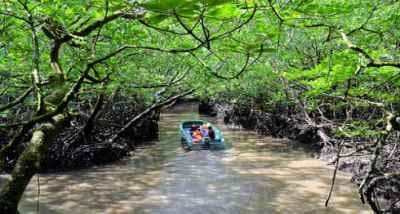
Most travellers know Baratang for its limestone caves, mud volcano, mangrove creeks, and the boat ride through thick forest waterways. What they often do not realise is that the journey itself is tightly managed, and the jetties play a central role in keeping traffic moving between Port Blair and North and Middle Andaman.
In simple terms, the Nilambur side is part of the road-and-ferry connection that helps you reach the Baratang area. Depending on your exact route and the day’s operations, you may be crossing by ferry from one jetty point to another before continuing by road. For travellers, this means you should plan the day around departure windows rather than assuming you can leave anytime and still make the sightseeing circuit comfortably.
If you are visiting during peak season, especially from October to March, the route can get crowded early in the morning. That is why many local operators recommend an early start from Port Blair, often before sunrise, so you can complete the crossings and still have enough time for the caves and return journey the same day.
How the Baratang Journey Works from Port Blair
The typical travel sequence
A Baratang trip from Port Blair is usually done as a full-day excursion and often follows this broad pattern: early road transfer, checkpoint formalities, a convoy-style road section, a jetty crossing, more road travel, and then a small boat ride through mangroves before reaching the attractions. Depending on where you start, the water crossing may involve Nilambur Jetty, Middle Strait, or another operational ferry point used that day.
The total travel time can easily be 3.5 to 5 hours one way, including stops and waiting time. That is why it is not the kind of outing you want to handle casually without a plan.
What makes the route different from other Andaman drives
Unlike a normal road trip, this one has controlled movement in some forested stretches, and tourists are often moved in scheduled groups. This is done for safety and environmental reasons, but it also means there is less flexibility than you may be used to on mainland road trips. If your hotel arranges transport, they will usually know the latest convoy timings and which jetty is active that day.
For self-planned travellers, the key is to confirm the current route before leaving. A small timing mistake can mean missing the boat window and losing several hours.
Nilambur Jetty: What You Need to Know
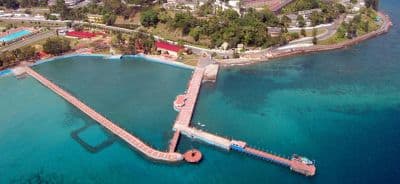
Nilambur Jetty is relevant to travellers because it forms part of the water-link network used on the route towards Baratang and nearby island sectors. It is not the kind of jetty where you casually turn up and expect everything to work like a city ferry terminal. It is practical, functional, and very much tied to local transport schedules.
When you reach a jetty in the Andamans, expect basic facilities rather than tourist-style infrastructure. You may find seating, ticketing or verification counters, and areas where vehicles queue in an organised way. Restrooms may be limited, so it is wise to use facilities beforehand and carry a small bottle of water and snacks for the waiting period.
If you are travelling with children or senior citizens, build in extra time for boarding, deboarding, and any short walk between the parking area and the ferry point. There can also be delays due to weather, tide conditions, or operational adjustments, especially during monsoon months.
Baratang Jetty and the Final Approach to Sightseeing
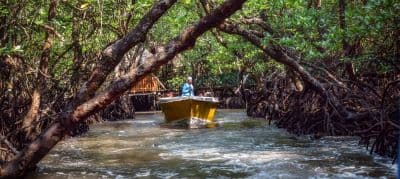
Once you are closer to Baratang, the jetty experience becomes part of the attraction. The mangrove-lined water channels are a major visual highlight of the area, and the boat segment often feels calmer and more scenic than the earlier road transfer. From here, most visitors continue towards the limestone caves or mud volcano depending on the day’s plan and local permissions.
Baratang Jetty is best understood as a transfer point rather than a leisure pier. People are usually on a schedule, vehicles are being processed, and the goal is to move everyone efficiently. If you have booked a package, your driver or coordinator will generally manage the sequence. If you are arranging the trip independently, ask clearly where you should park, where you should report, and what documents you need to show.
Because the water channel and approach roads are sensitive zones, do not assume that private movement is freely available at all times. Your best safeguard is to check the latest local instructions the evening before travel and again in the morning.
Best Time to Visit and Daily Timing Tips
The best time to plan this trip is generally from October to April, when the weather is more stable and the sea conditions are usually calmer. December and January can be especially busy, so early booking for transport and accommodation is a smart move. During monsoon months, rain can slow down the road journey and affect ferry schedules, so keep your plans flexible.
For a same-day Baratang trip, most travellers leave Port Blair very early, often around 3:00 am to 4:00 am, depending on convoy timings and the season. Returning by late afternoon is realistic, but this depends on how much time you spend at the caves and whether there are any queue delays at the jetties.
If you are staying in a Port Blair hotel, ask the front desk the previous night to help reconfirm the current departure window. A 30-minute change in the morning can make a real difference on this route.
Permit, ID, and Ticketing Essentials
For Baratang and the connected jetty route, carrying valid government ID is non-negotiable. Keep at least one original photo ID with you, such as Aadhaar, driving licence, passport, or voter ID, and have a soft copy on your phone as backup. Some checkpoints and ticketing points may ask for details from everyone in the vehicle.
As for permits, the exact requirement depends on current regulations, your nationality, and the route being used. Indian tourists usually face simpler procedures than international visitors, but it is still wise to verify the latest rules before travel. If you are going with a tour package, the operator may handle the formalities on your behalf.
Ferry and boat charges, if not bundled into a package, can vary by season and service type. A realistic budget for local transfers, if arranged separately, may range from Rs.300 to Rs.1,500 per person for certain segments, though package inclusions can change that picture entirely. Always confirm the final cost before you pay.
What to Carry for a Smooth Jetty Day
- Original ID proof for every traveller
- Water bottle and light snacks
- Cash in small denominations for local purchases
- Power bank and charged phone
- Sunglasses, cap, and sunscreen
- Basic motion-sickness medicine if you are prone to nausea
- Comfortable footwear for walking short distances at the jetties
- Wet wipes or tissues, especially if you are travelling with children
Dress simply and comfortably. Light cotton clothes, closed sandals, and a small day bag are usually enough. If you are carrying a large backpack, keep in mind that boarding areas can be crowded and you may need to manage your own luggage quickly.
Comparing the Route Options at a Glance
| Part of the Journey | What to Expect | Approximate Time | Traveller Tip |
|---|---|---|---|
| Port Blair to forest checkpoint area | Early road drive with scheduled movement | 1.5-2.5 hours | Leave early and avoid late starts |
| Nilambur / connecting jetty segment | Organised ferry or transfer point | Short crossing plus waiting time | Confirm the active jetty the previous night |
| Approach to Baratang | Road travel after the water crossing | 1-2 hours | Keep ID ready for any checks |
| Boat to mangrove route and attractions | Small boat ride and sightseeing transfer | 30-60 minutes each way | Protect phones and cameras from splashes |
Where to Stay and How to Budget
Most travellers choose to stay in Port Blair and do Baratang as a day trip. That is usually the easiest option because Port Blair has more hotel choice, better transport access, and easier dinner plans after you return. Budget stays may begin around Rs.1,500-Rs.3,000 per night, mid-range hotels often sit around Rs.3,500-Rs.7,000, and higher-category stays can go well beyond that depending on the season.
If you prefer a package, many operators include hotel pickup, permits, vehicle transfers, and the boat section. A one-day Baratang package from Port Blair can vary widely, but a realistic planning range is often Rs.2,500-Rs.6,000 per person depending on group size, inclusions, and whether meals are covered. Ask specifically what is included, because a cheaper quote may leave out boat rides, entry fees, or lunch.
Travellers who want to stay closer to the route usually need to check local availability carefully, because accommodation options are limited compared with Port Blair. For most first-time visitors, Port Blair remains the safer base.
Frequently Asked Questions
Is the Nilambur and Baratang Jetty route suitable for a same-day trip?
Yes, it is commonly done as a same-day excursion from Port Blair. The key is to leave very early and follow the current convoy or ferry schedule. If you start late, the trip becomes rushed and you may miss the best sightseeing window.
Do I need to book tickets in advance?
For package travel, advance booking is strongly recommended, especially in peak season from October to March. For individual transfers, rules and availability can vary by day, so confirm locally before you leave. Booking early gives you better control over timing and vehicle arrangements.
Can senior citizens and children manage this trip comfortably?
Yes, but the day can be long, and there will be waiting periods at checkpoints and jetties. If you are travelling with elderly family members or small children, keep snacks, water, medicines, and a flexible pace. A private vehicle or organised package usually makes the trip easier.
What happens if the weather turns bad?
Rain, rough conditions, or operational changes can affect ferry movement and road schedules. If that happens, local authorities or operators may reschedule or delay the trip. It is best to keep one spare day in your itinerary if Baratang is important to you.
Are there food stalls and toilets near the jetties?
You may find limited basic facilities, but do not expect a full tourist complex. Carry water, snacks, and tissues, and use proper facilities whenever you get the chance. The more prepared you are, the less stressful the waiting time will feel.
Is a guided package better than going on my own?
For first-time visitors, a guided package is usually easier because the route involves timing, transfers, and local instructions that can change. A good operator will help with permits, pickup timing, and coordination between the road and jetty segments. If you are very confident and have current local information, independent travel is possible, but it needs more planning.
Baratang is one of the most memorable short trips in the Andamans, and the Nilambur and Baratang jetty route is a big part of that experience. If you plan it carefully, start early, and keep your documents and timings in order, the day feels smooth rather than hectic. A little preparation goes a long way on this route, and it lets you focus on the scenery instead of the logistics.
If this guide helped you plan better, please share this post with other travellers who are heading to the Andamans.
Planning a Andaman trip?
Tell us your dates and who is travelling. Up to three local travel companies send you their itinerary and price.
Get free quotesDisclaimer: The information in this blog is for general information only. We try to keep it accurate and up to date, but TravelSetu accepts no liability for errors or omissions. If you believe any part of it infringes your rights, please write to info@travelsetu.com.