Andaman Population and Demographics
If you are planning a trip to the Andaman Islands and want to understand the people who live there, this guide is for you. The islands are known for beaches and forests, but their population story is just as interesting: a mix of long-time island families, settlers from mainland India, government staff, and a small number of indigenous communities. By the end, you will have a clear sense of Andaman population and demographics, plus practical context that helps you travel more respectfully and confidently.
Quick snapshot of Andaman’s population
The Andaman and Nicobar Islands are one of India’s least populated Union Territories. Most travellers notice this immediately: roads are quieter than on the mainland, towns feel compact, and many stretches of land remain sparsely inhabited. The population is concentrated mainly in the Andaman group, especially around South Andaman, while the Nicobar Islands are much less accessible and far less populated.
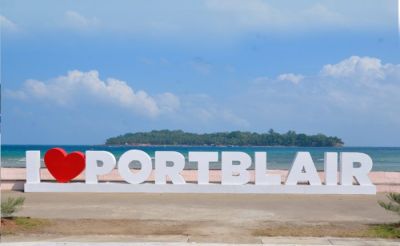
For travel planning, it helps to remember that population is not spread evenly. Port Blair and its surroundings hold a large share of the people you are likely to meet, while places such as Havelock Island, Neil Island, Baratang, Rangat and Diglipur have smaller communities and a slower pace. Exact numbers change over time, so check the latest official figures if you need them for research, but the broad picture remains the same: low density, small towns, and plenty of open space.
Who lives in the Andaman Islands?
The Andaman Islands have a layered population history. Today, most residents are descendants of families who moved here from different parts of India over the last century and more. Many came during the colonial period, while others arrived after Independence through government settlement programmes and later migration for jobs in public services, tourism, trade and transport.
Settler communities from mainland India
A large part of the population has roots in Bengal, Tamil Nadu, Andhra Pradesh, Kerala, Odisha, Punjab, Bihar and Uttar Pradesh. This is why you may hear multiple languages in a market, at a jetty or in a local bus. In day-to-day life, this diversity shows up in food, festivals, names of shops, and the wide range of dialects spoken at home.
Indigenous tribes of the islands
The Andaman Islands are also home to indigenous communities such as the Great Andamanese, Onge, Jarawa and Sentinelese. These groups are among the oldest known inhabitants of the region, but their numbers are very small. Some live in protected areas and have limited contact with outsiders, while others are monitored through legal and administrative safeguards designed to protect their land and way of life.
As a traveller, you should treat this part of Andaman’s demographic reality with care and respect. The presence of indigenous communities is not a tourist curiosity. It is a reminder that the islands are not just a holiday setting; they are a living homeland with sensitive social and cultural boundaries.
Languages you will hear across the islands
Hindi is widely understood in Port Blair and in many tourist-facing places, but it is far from the only language you will hear. Bengali, Tamil, Telugu, Malayalam, Nicobarese, Punjabi and English all have a presence, especially in towns and among different family groups. In shops, government offices and hotels, English is commonly used for basic communication.
In practical terms, this multilingual environment makes travel easier than you might expect. If you speak Hindi, you can manage comfortably in most populated areas. If you speak Tamil or Bengali, you may even find it easier to chat with local residents, drivers and small business owners. English works well for bookings and formal communication, though the island pace is often relaxed enough that simple body language and patience go a long way.
Population distribution: where people actually live
When travellers ask about Andaman population and demographics, the most useful answer is not just “how many people,” but “where are they concentrated?” The islands are shaped by coastlines, forests, protected zones and distance between settlements, so communities tend to cluster around transport access, administrative centres and service areas.
| Area | Population pattern | Traveller takeaway |
|---|---|---|
| Port Blair | Largest urban concentration in the islands | Best for hotels, hospitals, markets, ferries and transport links |
| South Andaman outskirts | Moderate suburban and semi-rural settlements | Quieter stays, local homes, smaller shops |
| Havelock and Neil | Small island communities with tourism-linked livelihoods | Expect fewer residents, more seasonal activity, and limited services after dark |
| Baratang, Rangat, Diglipur | Scattered settlements and agricultural or mixed livelihoods | Longer travel times, fewer lodging choices, local buses and shared transport matter more |
| Nicobar Islands | Very low population and restricted access in many areas | Travel is limited and permits or special permissions may apply depending on the location |
This pattern explains why your experience can change dramatically from one island to another. Port Blair feels urban and busy during office hours, while a place like Neil Island can seem almost village-like by evening. On road trips, especially towards the north and interior parts of the islands, you may pass long stretches with very few houses and lots of forest cover.
Urban, rural and island life
The Andaman Islands do not fit neatly into the usual mainland idea of urban and rural. Port Blair is the closest thing to a city, but even there, the scale is small by Indian standards. You will see government offices, schools, hospitals, markets and busy ferry points, yet the atmosphere remains calmer than a typical mainland district town.
Outside Port Blair, settlement patterns are more spread out. Many families live in villages or in small clusters of houses connected by local roads. Fishing, small businesses, transport, government work and tourism support livelihoods. Agriculture exists in limited form, but the islands’ geography, soil conditions and protected forests mean large-scale farming is not common.
For travellers, this matters because services can be limited outside the main town. In smaller settlements, ATMs may be fewer, mobile signals can vary, and shops may close earlier than you expect. If you are heading to a remote beach, a jetty or an interior attraction, carry water, cash and enough time for delays.
Religion, festivals and everyday culture
Because the islands draw people from many parts of India, the religious and cultural mix is broad. You will find Hindu, Christian, Muslim and Sikh communities living in the same general region, often with neighbourhoods and family networks shaped more by migration history than by one single local tradition. Places of worship are usually modest, local and closely tied to daily life.
Festivals often reflect this diversity. Durga Puja, Diwali, Eid, Christmas and local community celebrations are all part of the social calendar. In Port Blair and the larger inhabited islands, you may notice festive decorations, special menus and a slightly different rhythm during major holidays. If you travel during school holidays or festival periods, accommodation demand may rise, so book early and expect prices to move.
How demographics affect your trip
Understanding Andaman population and demographics is not only interesting; it changes how you travel. A sparsely populated island chain works differently from a crowded holiday coast on the mainland. Ferries, buses, taxis, homestays and small hotels all depend on a limited local population plus seasonal tourist traffic, so timing and planning matter.
Transport and availability
Services may be frequent on popular routes and limited on quieter ones. For example, movement between Port Blair and nearby islands is much easier than reaching the far north or crossing to more remote locations. Keep extra buffer time for boat schedules, road transfers and check-ins. If you are travelling in peak season, it is wise to confirm timings with your operator before you commit to a day plan.
Food and local interaction
The local population diversity is a gift for food lovers. You can find Bengali-style fish preparations, South Indian meals, simple North Indian thalis, and plenty of fresh seafood in many places. Small eateries often serve what local families actually eat, so don’t expect every menu to be tourist-heavy. If you are vegetarian, you will still have enough options, but it is better to ask in advance in smaller islands.
Respecting local communities
Most residents are warm and used to visitors, but the islands are still home to fragile communities and protected areas. Avoid entering restricted zones, do not attempt to photograph indigenous people, and follow local rules around forests, beaches and marine zones. If a guide or boat operator says a route is closed or regulated, take that seriously. It is usually about safety, conservation or community protection.
Best time to visit if you want a comfortable experience
For most travellers, October to May offers the easiest weather and the most reliable transport conditions. During these months, the sea is generally calmer, sightseeing is easier, and population pressure from tourism feels manageable outside the busiest holiday weeks. December and January are especially popular, so prices for hotels and flights can rise noticeably.
Monsoon months, roughly from June to September, are quieter and sometimes cheaper, but weather disruptions are more likely. If you travel then, keep your schedule flexible. This is particularly important in an island setting where population centres are small and transport options are fewer than on the mainland.
Frequently Asked Questions
Is Andaman densely populated?
No, Andaman is one of the less densely populated parts of India. Most of the population is concentrated in and around Port Blair and a few other inhabited islands. Large areas remain sparsely settled because of forests, coastlines, protected zones and the geography of island life.
What languages are commonly spoken in Andaman?
Hindi and English are widely used, especially in tourist areas and offices. You will also hear Bengali, Tamil, Telugu, Malayalam, Punjabi and other regional languages, depending on the settlement. In everyday travel, this multilingual mix is usually an advantage rather than a challenge.
Are there indigenous tribes in Andaman?
Yes, Andaman is home to indigenous communities such as the Great Andamanese, Onge, Jarawa and Sentinelese. Some live with very limited contact and are protected by law. Travellers should not attempt to approach or photograph them, and should always follow official rules in restricted areas.
Where do most people in Andaman live?
Most residents live in South Andaman, particularly around Port Blair. Smaller populations are spread across other inhabited islands such as Havelock, Neil, Rangat and Diglipur. The Nicobar Islands have far fewer residents and more restricted access.
Does the population affect hotel and transport bookings?
Yes, because services are concentrated in a few hubs and supply is limited on smaller islands. During peak season, festival periods and long weekends, rooms and ferries can fill quickly. It is smart to book early and confirm timings before your trip.
Is Andaman safe and comfortable for solo travellers?
Yes, many solo travellers find the islands comfortable, especially in the main tourist circuits. That said, the small population means fewer late-night services and fewer backup options in remote areas. Plan your movements in daylight, keep emergency contacts handy, and choose well-reviewed stays.
Conclusion
Andaman’s population story is part of what gives the islands their character. The mix of mainland settlers, long-established island families, indigenous communities and multilingual everyday life creates a place that feels calm, diverse and deeply shaped by migration and geography. If you understand the demographics before you go, you will travel with better expectations and more respect for the people who call these islands home.
If you found this guide useful, share this post with someone planning an Andaman trip.
Disclaimer : The information provided in this blog is for general informational purposes only. While we strive to keep the content accurate and updated, TravelSetu assumes no liability for errors or omissions. If you believe any part of this blog infringes your rights or causes concern, please notify us immediately at info[at]travelsetu[dot]com so that appropriate action can be taken.