Andaman Settlement History Timeline
If you are planning a trip to the Andaman Islands and want more than beaches and scuba diving, this article is for you. Understanding the Andaman settlement history timeline adds real depth to your visit, especially if you plan to explore Port Blair, Ross Island, Cellular Jail, North Bay, or the tribal and forested interiors with respect and context.
Here is a clear, traveller-friendly guide to how the islands were inhabited, colonised, punished, rebuilt, and finally shaped into the Andaman you see today. You will come away with the main historical phases, the places that still reflect them, and the practical way to fold history into a modern island itinerary.
Why Andaman’s settlement history matters to travellers
The Andaman Islands are not just a tropical escape in the Bay of Bengal. Their history includes ancient tribal habitation, British penal settlement, Japanese wartime occupation, and the growth of a modern Indian Union Territory after 1947. That layered past is visible in Fort William-style ruins on Ross Island, the somber walls of Cellular Jail in Port Blair, and the living presence of indigenous communities that have long called these islands home.
If you travel with historical context, even short ferry rides and museum visits feel more meaningful. You also begin to understand why some parts of the islands are protected, why certain areas require permits, and why responsible tourism matters so much here.
Timeline of Andaman settlement history
| Period | What happened | What it means for travellers today |
|---|---|---|
| Prehistoric era | Indigenous groups lived in the islands for thousands of years | Some regions are protected and off-limits; respect tribal rights and restrictions |
| Ancient and medieval references | Maritime traders knew of the islands, though permanent outside settlement was limited | The islands appear in wider Bay of Bengal trade history, but not as a major port |
| 19th century | British established penal settlement and administrative control | Key heritage sites in Port Blair date to this period |
| Early 20th century | Cellular Jail expanded; Ross Island became an administrative centre | These are the best places to understand colonial Andaman |
| 1942-1945 | Japanese occupied the islands during World War II | War-era ruins and memorials add another historical layer |
| Post-1947 | Andaman became part of independent India and saw migration and development | Port Blair grew, and tourism, transport, and public services expanded |
Before colonial rule: the original island inhabitants
Long before European powers arrived, the Andaman Islands were home to indigenous communities with deep, continuous roots in the region. These include groups such as the Great Andamanese, Jarwa, Onge, Sentinelese, and Shompen in the broader Andaman and Nicobar island chain, each with distinct cultures, languages, and relationships with the land.
For most travellers, the important thing to understand is that these communities are not museum subjects or sightseeing stops. Some groups have had devastating contact with outsiders, and parts of the islands are strictly protected. You should never attempt to enter reserved tribal areas or photograph people without permission. In many cases, access is restricted entirely, and that is for good reason.
This pre-colonial chapter of Andaman’s history reminds you that the islands were never empty. When you visit, you are entering a living landscape with long human memory, not an untouched blank slate.
British arrival and the rise of the penal settlement
1858: the British establish Port Blair
The most defining settlement event in Andaman history came after the 1857 uprising in mainland India. In 1858, the British chose the islands as a remote penal settlement, using them to imprison political prisoners and convicts. Port Blair became the administrative centre, and its early development was tied to prison labour, road building, timber work, and the clearing of land.
This was not a normal colonial town story. It was built on coercion, isolation, and punishment. Many prisoners endured severe hardship, disease, and harsh discipline in an environment far from the mainland.
Ross Island and the colonial administrative core
Ross Island, now officially Netaji Subhas Chandra Bose Island, was once the British administrative headquarters. Today, the island’s ruins of churches, bakeries, bungalows, and offices make it one of the most evocative places in the Andamans. A ferry from Port Blair to Ross Island generally takes around 15-20 minutes, though timings can change with sea conditions and operator schedules.
When you walk among the ruins, you are seeing the remains of a self-contained colonial settlement that once had a strong social hierarchy, European-style residences, and public buildings. Later damage from the 1941 earthquake and wartime occupation intensified the decay, but the atmosphere remains powerful.
Cellular Jail and the story of political imprisonment
Cellular Jail in Port Blair is the most important monument linked to the settlement history of the Andaman Islands. Built by the British between 1896 and 1906, it was designed to isolate prisoners in individual cells and break organised resistance. Many Indian freedom fighters were jailed here, and the structure became a symbol of colonial cruelty.
A visit typically takes 1.5-2 hours if you include the museum areas and the evening sound-and-light show. Entry fees and show timings can change, so confirm before you go. For many Indian travellers, this is the most emotionally significant stop in Andaman because it ties the islands directly to the freedom struggle.
If you are planning a history-focused trip, pair Cellular Jail with the nearby Aberdeen area and the Anthropological Museum in Port Blair. Together they help you understand both the colonial and indigenous sides of Andaman’s past.
Japanese occupation during World War II
From 1942 to 1945, the Japanese occupied the Andaman Islands during World War II. This period changed the islands again, adding another layer of military control and suffering for residents. It also marked a brief but significant transfer of power away from the British, though life for ordinary people remained difficult.
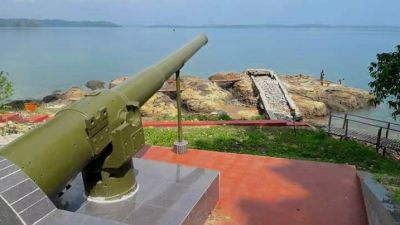
Some sites on Ross Island and around Port Blair still reflect wartime damage and occupation. The islands also have memorial associations with Subhas Chandra Bose, who visited Andaman during the war and raised the Indian flag there in 1943. For visitors, this part of the story is important because it links the islands to both global wartime history and India’s independence movement.
After 1947: Andaman in independent India
After independence, the islands became part of India’s administrative framework. The transition brought new infrastructure, migration from mainland India, expanded ports, schools, and government offices. Port Blair gradually grew as the main urban centre, while other islands developed more slowly due to geography, transport limits, and environmental protection rules.
Many families in Andaman today are descendants of settlers who arrived from Bengal, Tamil Nadu, Andhra Pradesh, Odisha, Kerala, and other parts of India. This post-independence migration shaped the islands’ food, language mix, markets, and neighbourhood life. When you eat fish curry, Bengali sweets, or South Indian meals in Port Blair, you are tasting the human movement that followed the creation of modern Andaman.
How history shaped modern travel in Andaman
Andaman’s settlement history explains many things you notice as a traveller. Port Blair is the transport and administrative hub because it developed around colonial control and later state infrastructure. Ferry networks connect the inhabited islands because sea travel has always been essential here. Restricted access zones exist because of both indigenous protection and conservation concerns. Even the pace of life feels different from many mainland destinations, because settlement remained relatively recent and uneven.
Places worth including in a history route
- Cellular Jail, Port Blair: Best for the colonial punishment narrative.
- Ross Island: Best for colonial ruins and administrative history.
- Sagareshwar / Aberdeen area: Useful for combining heritage with the old Port Blair layout.
- Anthropological Museum, Port Blair: Helps you understand the island’s indigenous cultures with care and context.
- Netaji Subhas Chandra Bose Island memorial points: Useful for the WWII and freedom movement connection.
Suggested historical itinerary for first-time visitors
If you have 4-5 days in Andaman and want to include history without losing beach time, keep it balanced. Spend your first evening in Port Blair with Cellular Jail and the sound-and-light show. Use the next morning for the Anthropological Museum and Corbyn’s Cove if you want an easy start. On another day, take the ferry to Ross Island and North Bay if conditions are good, then keep the afternoon free for rest or local markets.
If you are staying 7 days or more, you can split your time between Port Blair, Havelock Island, and Neil Island, while keeping the historical focus in the capital. Most other islands are better for nature and water activities than for settlement history. For transport, local ferries and private boat operators usually dominate inter-island movement, but schedules can be weather-dependent, so check a day in advance.
Travel tips for history-minded visitors
- Wear comfortable shoes for Cellular Jail and Ross Island, where you will do a fair amount of walking.
- Start historical sightseeing early in the day, especially between October and March when the weather is kinder.
- Book inter-island ferry tickets early in peak season; indicative costs can range from ?1,500-?4,000 depending on route and class.
- Keep cash and digital payment options handy; some local transactions still move faster with cash.
- Respect all photography rules near tribal reserve areas and follow official instructions strictly.
- For a guided heritage experience in Port Blair, local tours may cost roughly ?1,000-?2,500 per person depending on duration and inclusions.
Frequently Asked Questions
What is the most important event in Andaman settlement history?
The establishment of the British penal settlement in 1858 is the most important turning point. It changed Port Blair from a remote island region into a colonial administrative and prison centre. This period still defines much of the heritage tourism in Andaman today.
Was Andaman inhabited before the British arrived?
Yes, the islands were already home to indigenous communities long before colonial settlement. These groups have distinct histories, and several continue to live in and around the islands under protected conditions. Their presence is central to understanding Andaman correctly.
Why is Cellular Jail so significant?
Cellular Jail became a symbol of colonial oppression because it held many political prisoners in strict isolation. It is one of the most important heritage sites in India’s freedom struggle. For travellers, it is also the clearest physical reminder of the settlement history of Port Blair.
Can you visit Ross Island easily from Port Blair?
Yes, Ross Island is usually reached by a short ferry ride from Port Blair. The trip is generally convenient, but timings and sea conditions can affect service. It is best to check locally on the day you plan to go.
Is it possible to visit tribal areas in Andaman?
No, most tribal reserve areas are restricted, and you should not attempt to enter them. These protections exist for the safety, dignity, and rights of indigenous communities. Responsible travellers should avoid any activity that encourages intrusion or exploitation.
How many days should I keep for a history-focused Andaman trip?
Two to three days in Port Blair are enough to cover the major heritage sites without rushing. If you also want beaches and island-hopping, plan at least 5-7 days. That gives you time to balance history with relaxation.
Conclusion
The Andaman settlement history timeline is a story of indigenous continuity, colonial imprisonment, wartime upheaval, and post-independence growth. Once you know that story, Port Blair, Ross Island, and Cellular Jail feel far more meaningful, and even your ferry rides across the islands carry more context. Travel slowly, stay respectful, and let the history sharpen your experience of the destination.
If you found this guide useful, share it with someone planning an Andaman trip.
Disclaimer : The information provided in this blog is for general informational purposes only. While we strive to keep the content accurate and updated, TravelSetu assumes no liability for errors or omissions. If you believe any part of this blog infringes your rights or causes concern, please notify us immediately at info[at]travelsetu[dot]com so that appropriate action can be taken.