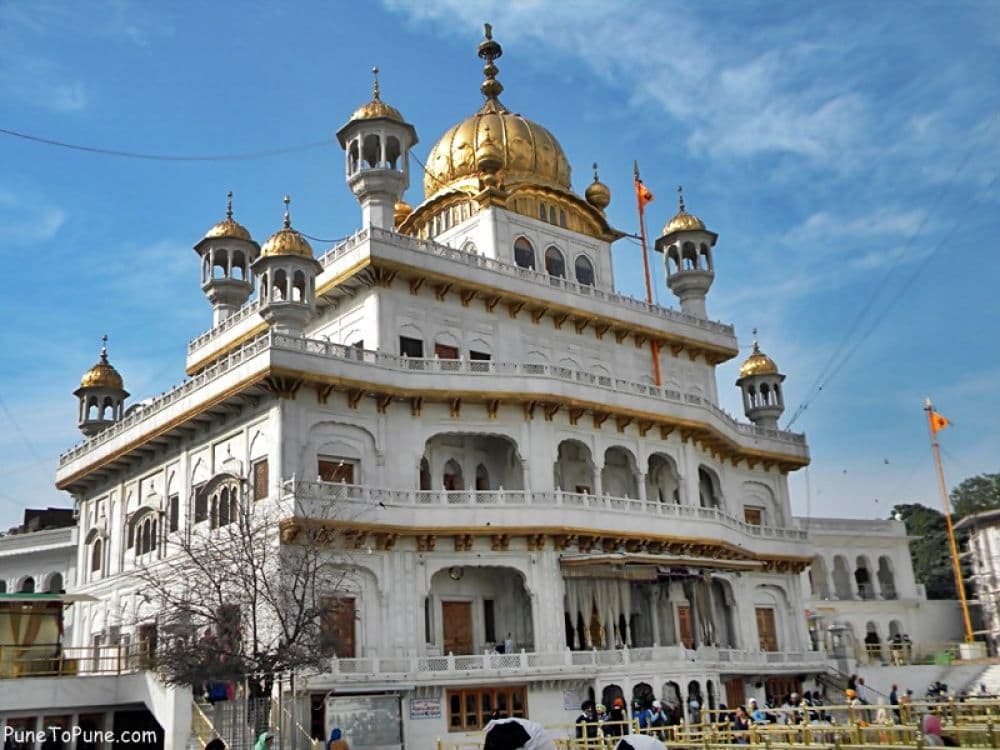
Akal Takht (Amritsar) FAQs In 2026 - 2027
Religious and Historic Site
10 FAQs on Akal Takht
What is the Akal Takht?
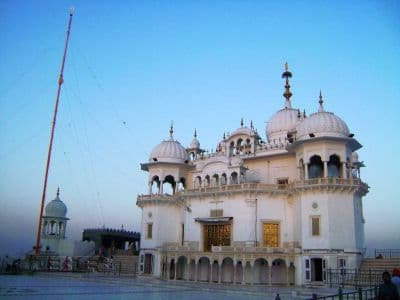
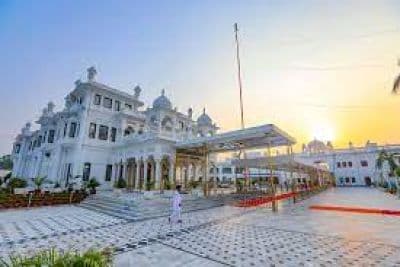
The Akal Takht, meaning 'Throne of the Immortal', is one of the five takhts (seats of power) of the Sikh religion. It is located in the Harmandir Sahib (Golden Temple) complex in Amritsar, Punjab, India. It is the highest seat of earthly authority of the Khalsa (the collective body of all initiated Sikhs) and the location where all temporal issues are addressed and resolved.
When was the Akal Takht established?
The Akal Takht was established by Guru Hargobind Sahib, the sixth Sikh Guru, on June 15, 1606. It was built directly in front of the Harmandir Sahib (Golden Temple), and it symbolizes the interlocking of the temporal with the spiritual in Sikhism.
Can tourists visit the Akal Takht?
Yes, tourists are welcome to visit the Akal Takht. It is a revered site in Sikhism and a place of great historical significance. Visitors are expected to follow the code of conduct, which includes covering their heads, removing shoes before entering, and showing respect to the religious site and its practices.
Is photography allowed in the Akal Takht?
Photography within the Akal Takht is typically not allowed, as it is a sacred space for Sikh worship and contemplation. However, tourists can take photos of the exterior and the surrounding complex with respect to the sentiments of the worshippers. It's advisable to check the latest guidelines or ask the temple staff for permission.
What are the opening hours of the Akal Takht?
The Akal Takht is open every day, usually from early morning to late evening. The exact timing can vary, and it is advisable for tourists to check the current timings before planning their visit.
Are there any ceremonies or events at the Akal Takht that tourists can observe?
Yes, tourists can observe various ceremonies and rituals that take place at the Akal Takht, including the daily prayers and the special ceremonies on Sikh festivals. One of the important rituals is the 'Sukh Asan' and 'Prakash,' which involve the opening and closure of the Guru Granth Sahib, the Sikh holy scripture, for the day.
Is there an entry fee to visit the Akal Takht?
No, there is no entry fee to visit the Akal Takht or the Golden Temple complex. The entire complex operates on the principles of Sikhism that promote free access to all, regardless of religion, caste, color, creed, or gender.
What should tourists wear when visiting the Akal Takht?
Tourists should dress modestly when visiting the Akal Takht. It is customary to cover one's head with a scarf or a piece of cloth as a sign of respect, and this applies to both men and women. Clothing should ideally cover the legs and shoulders. Scarves are usually provided at the temple complex for those who do not have one.
What is the significance of Akal Takht to the Sikh community?
The Akal Takht holds immense significance for the Sikh community as it is considered the supreme seat of Sikh religious authority. It is the place where the Sikh temporal authority (secular leadership and governance) and spiritual authority converge, and it serves as the site where major decisions regarding the Sikh community are made and disputes are resolved. It also stands as a symbol of resistance against oppression and injustice.
How can tourists reach the Akal Takht?
Tourists can reach the Akal Takht by flying into Sri Guru Ram Dass Jee International Airport in Amritsar and then taking a taxi or auto-rickshaw to the Golden Temple complex. The Akal Takht is situated within the complex, which is located in the heart of Amritsar city and easily accessible by road.
Explore 3 Other Historical Places to Visit in Amritsar
View 3 Other Historical Places to visit in AmritsarOther Places to Visit in Amritsar
View all places to visit in Amritsar
Golden Temple (Harmandir Sahib)
5.0(9,288 reviews)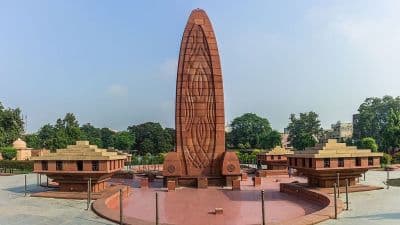
Jallianwala Bagh
4.5(3,402 reviews)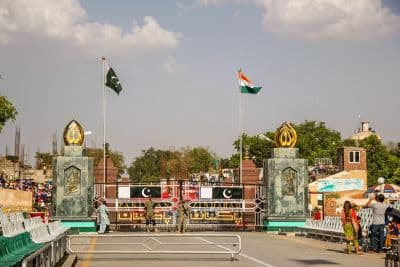
Wagah Border
4.5(4,004 reviews)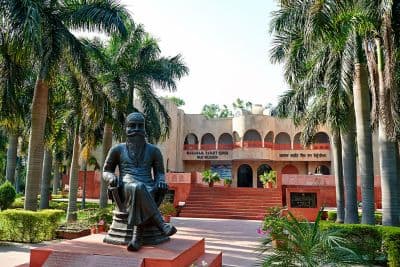
Maharaja Ranjit Singh Museum
4.0(177 reviews)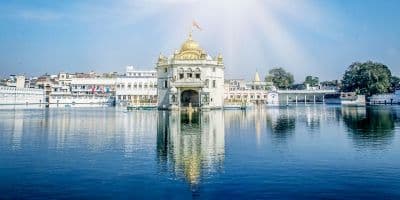
Durgiana Temple
4.0(954 reviews)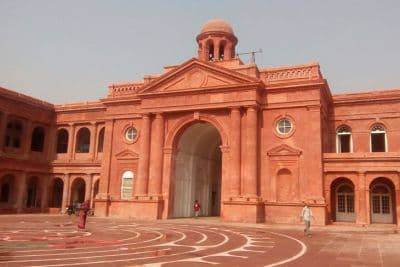
Partition Museum
4.5(490 reviews)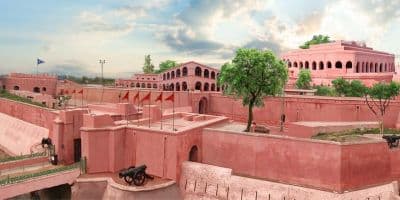
Gobindgarh Fort
4.5(538 reviews)
Ram Tirath
4.0(101 reviews)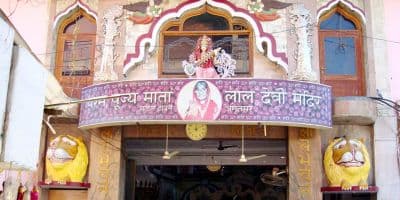
Mandir Mata Lal Devi
4.0(266 reviews)