Bhimbetka Auditorium Cave Tourism
Historical Site
About Bhimbetka Auditorium Cave
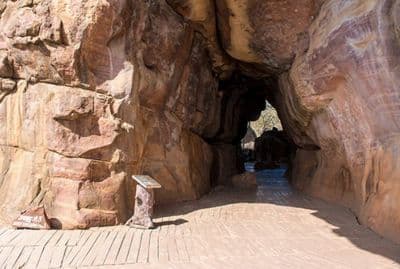
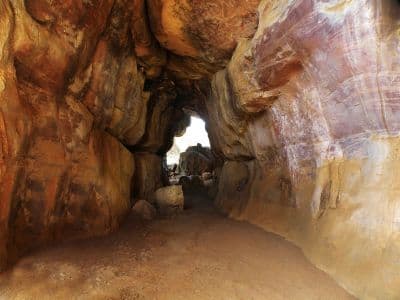
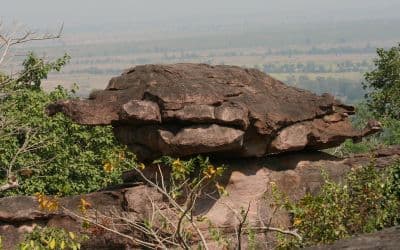
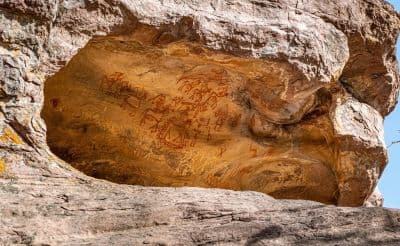
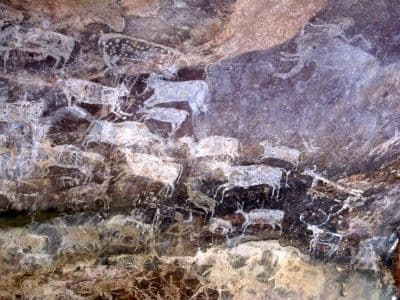
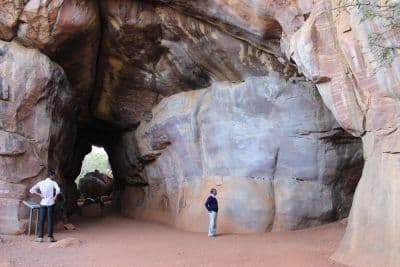
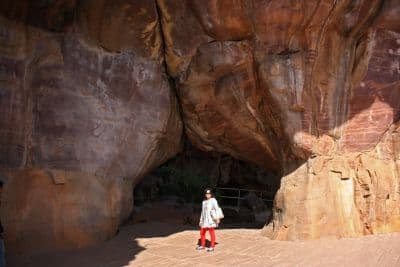
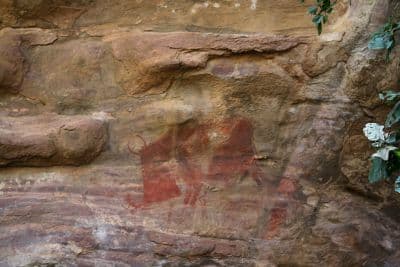
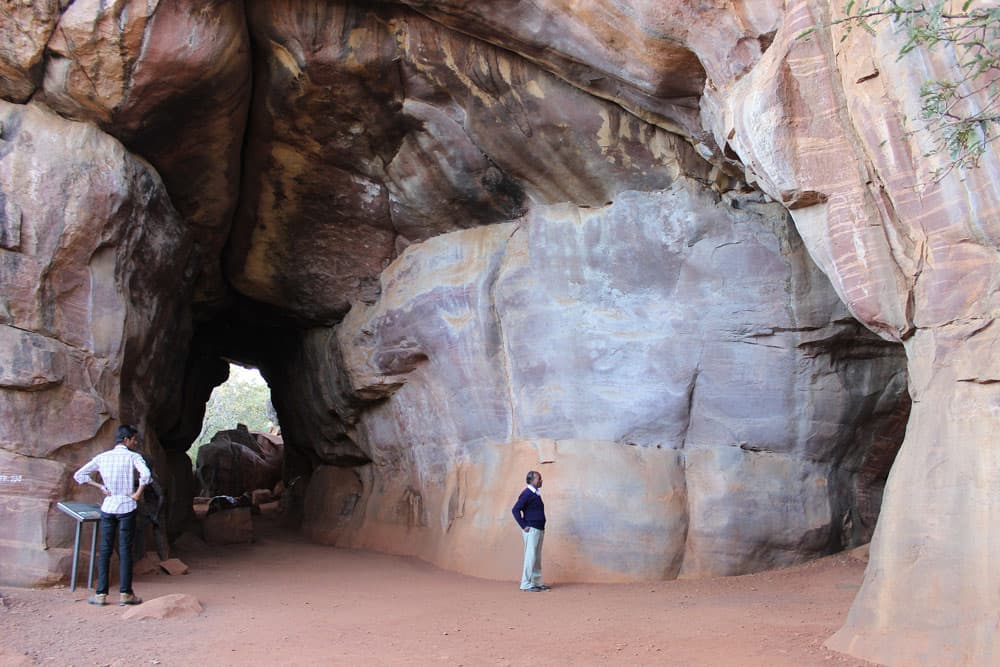
The Bhimbetka Auditorium Cave is one of the most prominent caves within the Bhimbetka rock shelters, an archaeological site in Madhya Pradesh, India. These caves are situated within the Vindhya Range and exhibit the earliest traces of human life on the Indian subcontinent. The Auditorium Cave, in particular, is renowned for its spacious chamber, resembling an auditorium, hence the name. It showcases ancient rock paintings that date back to the Paleolithic era, depicting scenes of hunting, dancing, and everyday life of prehistoric times. The cave was discovered by Dr. Vishnu Shridhar Wakankar in 1957 and has since been recognized as a UNESCO World Heritage Site. The natural overhangs served as excellent shelters for prehistoric people, while the rock art provides crucial insights into their cultural and social structure. The entire area spans over 1,892 hectares and includes more than 700 rock shelters, of which over 500 contain paintings. Environmental changes over millennia have led to the formation of unique rock formations, adding to the visual interest of the site.