283pankaja
★★★★★5.0Wrote on 7 Jun 2023
Great Experience
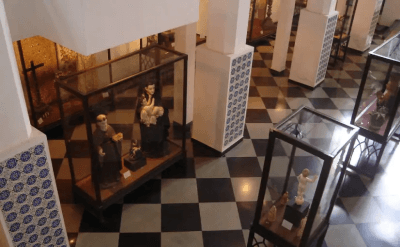
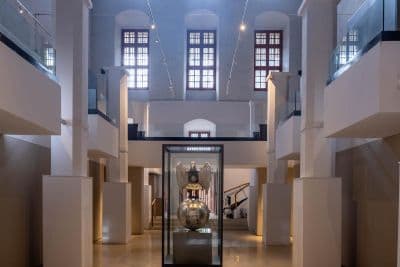
Excellent collection and very well organized and presented. The only drawback was that the hall was not air conditioned
andrewmarisa
★★★★★5.0Wrote on 18 Feb 2023
A cultural and artististic gem!
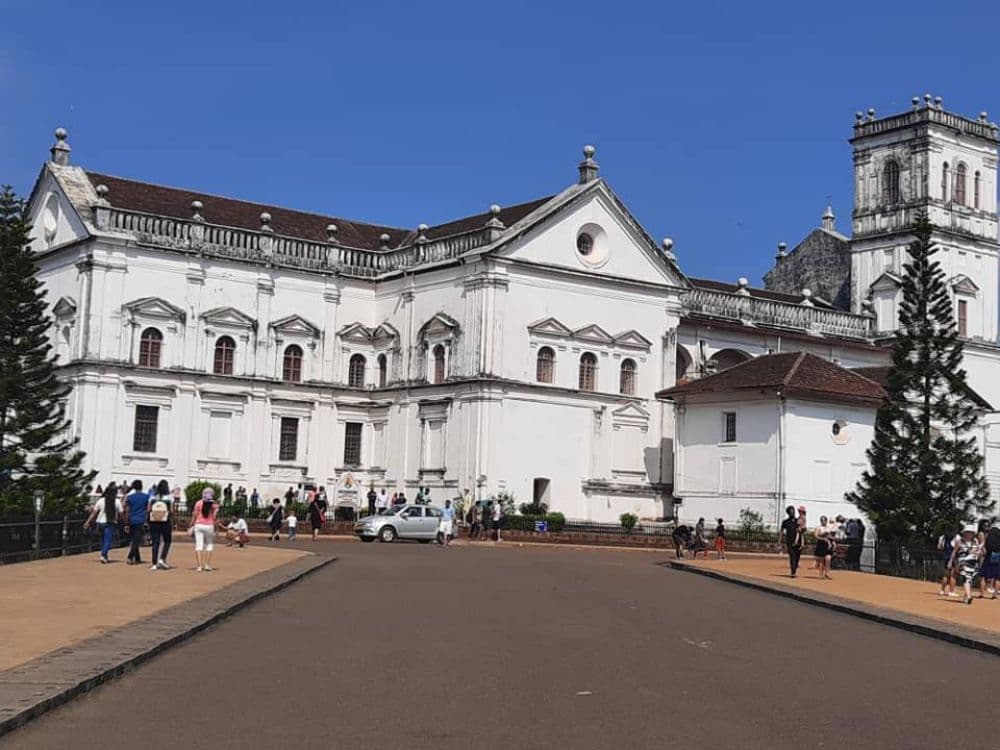
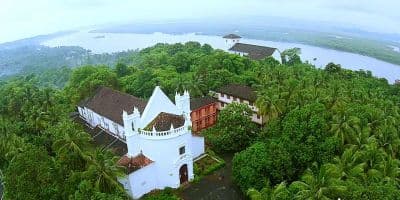
Beautifully restored museum that is part of a 400-year old convent and perched on the Holy Hill in Old Goa. The museum houses some of the most treasured artifacts of Christian Art that represent a wonderful fusion of Portuguese and Indian artistic talent and craftsmanship. This museum is not to be missed and is a mere 15-minute walk from the Basilica of Bom Jesus.
denniscc2016
★★★★★5.0Wrote on 1 Mar 2022
A wonderfully different experience
We took the walking tour of the Holy Hill conducted by MoCA. I have to say it was a really awesome and highly informative experience. There are so many tiny unknown gems of historic and symbolic significance that we are unaware of. Our tour guides Noah and Fraiser were a treasure trove of these hidden facts and are happy to engage and share their knowledge. Their dedication and insights with regard to architecture as well as history is outstanding. This isn't a regular 'guided tour'. It is very interactive and also a fun experience, not straight laced and sombre. The walk lasts about 3 hours (average) and covers the main monuments of the oldest church OUR LADY OF ROSARY, THE ROYAL CHAPEL OF ST ANTHONY, RUINS OF ST AUGUSTINE, CHURCH OF ST MONICA and the MUSEUM of CHRISTIAN ART There were so many surprises- A tree of life, a Jain influenced plaque, a fort like facade that's actually a church inside, a rain water harvesting system and so much more to discover. The museum has been very well designed, laid out and built. There are some fabulous artifacts, art works, stauary and lots more that is very well presented and displayed. One has to appreciate the conservation work that is a constant battle against the elements and (at times)uncivil visitors to the precincts. Both MoCA and ASI need to be lauded for this. Considering the nominal charge for the tour, we were treated to some exceptionally great light refreshments at the cafe. (You don't have to be on a tour to enjoy the Cafe!! ) All in all this is lovely and eye opening way to spend a morning. Oh yes, one more thing... our tour group were privileged to have Fraiser sing for us in the magnificent acoustics of the museum.Â
BataviaLady
★★★★★5.0Wrote on 15 Jan 2022
Excellent museum in Old Goa - don't miss it!
We visited this small museum in an old convent right after our walking tour of Old Goa, and it was well worth the effort. The museum is small and beautifully presented and curated, with some magnificent pieces of art. The small church with its old ceramic tiles is also interesting. There is a small gift shop with nice things and a garden cafe. Highly recommended!
sankalans
★★★★4.0Wrote on 30 Dec 2021
Excellent Museum about Portuguese-Indian fusion but in need of good explanation about Christian concepts...
What I think needs to be done to increase footfall at the museum is to add explanations about basic Christian concepts like what a tabernacle monstrance is, and why Mary is called by so many names - Immaculate Conception and Lady of the Rosary and so on. Unless visitors, especially those not familiar with these terms, are clear about these concepts, the exhibits would become dolls that do not talk; objects that do not tell a story. Among the many sculptures and carvings of divine figures in typical Christian costumes like cassocks and flowing gowns at the museum, I spotted an intriguing 4-inch ivory sculpture draped in a saree. It was titled Nirmala Matha. No other detail was provided, except that it was from the 20th century; and that it was a donation from a priest in Benaulim. She stood bare feet on a lotus. She had her hair left loose, wore a crown and a necklace and was surrounded by an ornamentation (like ‘Daaker Saaj’ behind Durga idols) of conches, most probably. If I weren’t in the Museum of Christian Art, I would have mistaken her for a Hindu Goddess, maybe Lakshmi or Saraswati. But then, there was the crescent moon on which Mother Mary stands, and there was the typical tilt of her head, and the dove right above. So who is this Nirmala Matha? Not able to withhold my curiosity any longer, I checked the internet. Nirmala is Hindi for Pure. Immaculate. She was the Immaculate Mother (Mary). Ever since the beginning of the Portuguese occupation of Goa, there has been an amalgamation of the West and the East, the global and the local, Portugal and India, but never have I seen an intermingling of the two as pronounced as what I saw here. PS: I always thought ivory was dead/murdered elephant tusk. Here I got to know that it could be Hippopotamus teeth as well (and on checking the internet, I found it could also be walrus and warthog and whale).