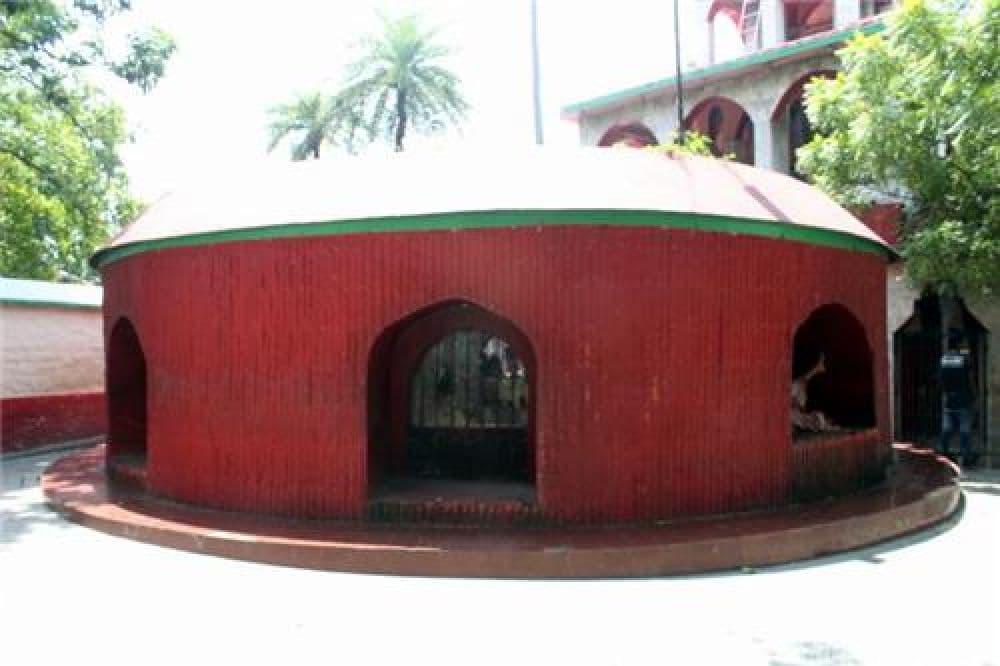
Agam Kuan (Patna) FAQs In 2026 - 2027
Historical Landmark
10 FAQs on Agam Kuan
What is Agam Kuan and why is it significant?
Agam Kuan, which translates to 'unfathomable well', is an ancient well located in Patna, Bihar, India. It is an important archaeological site with legendary associations to King Ashoka of the Maurya Dynasty. It is considered one of the oldest and most important historical landmarks in Patna, with significant cultural, historical, and religious value.
What is the history behind Agam Kuan?
According to legend, Agam Kuan was built by Emperor Ashoka in the 3rd century BCE as part of a prison known as Ashoka's Hell, where he would torture people before he converted to Buddhism. Post-conversion, it's said to have been used for charitable purposes. Archaeologically, while it dates back to the Maurya period, its exact origins and purpose remain somewhat mysterious, making it a subject of historical curiosity.
What are some myths associated with Agam Kuan?
Several myths are associated with the well, with the most popular one being its connection to King Ashoka and the legend of him constructing it for torturing people. Other myths involve it as a pathway to hell due to its depth. Additionally, some believe it brings good luck and has wish-fulfilling properties if one throws coins into it.


