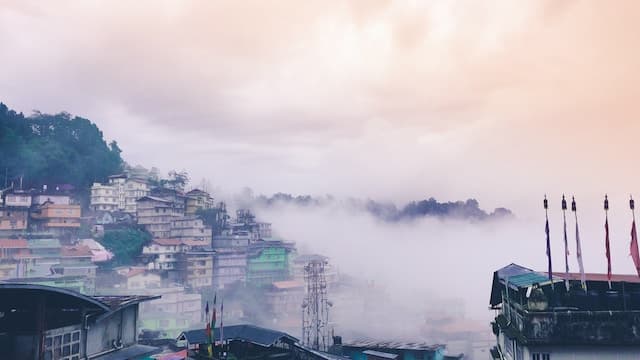
If you are planning a trip to Sikkim, altitude should be one of the first things on your checklist. From Gangtok at around 1,650 metres to high mountain lakes, passes, and viewpoints that can rise well above 3,500 metres, the state rewards careful preparation and punishes overconfidence. This guide is for Indian travellers who want to enjoy Sikkim comfortably, avoid altitude sickness, and pack smart for a trip that can move quickly from mild weather to cold, thin air.
Sikkim is not just about beautiful roads and mountain views; it is a place where your body needs time to adjust. If you understand how altitude works, plan your itinerary wisely, and carry the right essentials, you can make the most of places like Gangtok, Tsomgo Lake, Nathula, Pelling, Ravangla, Lachung, Yumthang Valley, and Lachen without turning your holiday into a struggle.
Why altitude matters in Sikkim
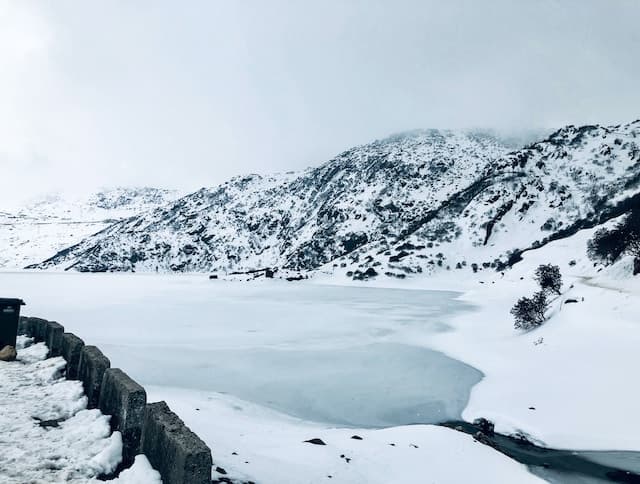
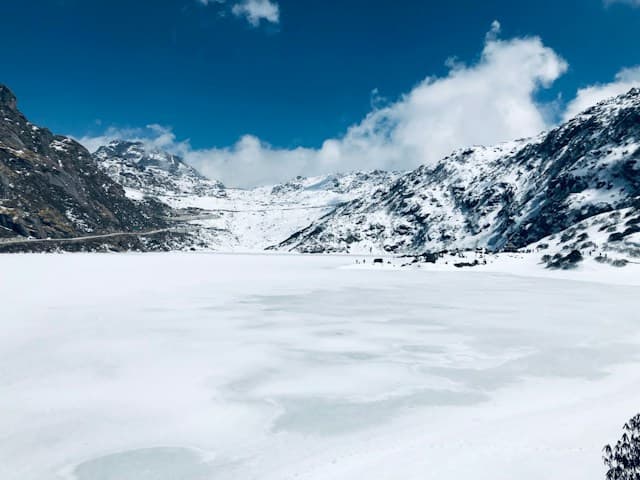
In Sikkim, the elevation changes fast. You may spend a night in Gangtok, take a day trip to a higher point such as Tsomgo Lake, and then travel toward northern valleys where oxygen is thinner and temperatures can fall sharply. Even healthy travellers can feel breathless, tired, or slightly headachy when the ascent is too quick. The risk is higher if you land in Bagdogra or Pakyong and move uphill immediately without rest.
Altitude sickness does not depend only on fitness. A person who jogs regularly can still feel unwell at 3,500 metres if they reach too fast, sleep badly, skip water, or drink alcohol. That is why altitude preparation for Sikkim is really about pacing yourself, hydrating properly, and not trying to do too much in the first 24-48 hours.
Understanding Sikkim’s altitude zones
| Place | Approx. altitude | What it means for you |
|---|---|---|
| Bagdogra / Siliguri belt | Low altitude | Easier breathing, good place to start your journey |
| Gangtok | Around 1,650 m | Usually manageable, but you may still need a night to acclimatise |
| Pelling / Ravangla | About 1,400-2,100 m | Comfortable for many travellers, though roads can be steep |
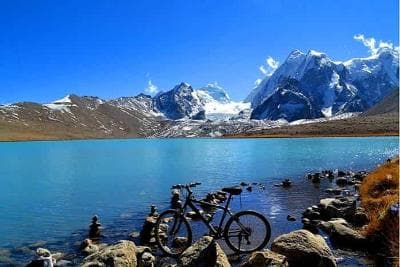
| Tsomgo Lake / Nathula area | Above 3,000 m | Cold, thin air, more likely to trigger discomfort |
| Lachen / Lachung / Yumthang approach | Higher Himalayan zone | Requires slower travel, overnight stay, and careful packing |
As a rule, the higher you go, the more your body needs rest and water. If your itinerary includes North Sikkim, treat it differently from a relaxed Gangtok-Pelling trip. The roads can also be winding, which adds fatigue even before altitude enters the picture.
How to acclimatise properly
Spend your first night at a moderate altitude
Try to stay in Gangtok, Pelling, or Ravangla first rather than rushing to the highest points on day one. A first night in Gangtok gives your body a gentler introduction, especially if you are arriving from sea level cities like Chennai, Mumbai, Kochi, or Kolkata. If possible, avoid landing at Bagdogra and heading straight to North Sikkim on the same day.
Go slow on your first 48 hours
Walk at an easy pace, avoid climbing stairs repeatedly, and keep your sightseeing to a relaxed schedule. If you have a half-day free in Gangtok, use it for MG Marg, a short monastery visit, or a calm lunch rather than back-to-back sightseeing. The idea is to let your breathing and sleep settle before you tackle higher elevations.
Hydrate more than usual
Dry mountain air dehydrates you faster than you realise. Sip water through the day, even if you do not feel thirsty. Warm fluids such as tea or soup can help, but do not rely only on caffeine. Avoid excessive alcohol on the first two days, because it can worsen dehydration and make headaches feel stronger.
Sleep well and eat light
Sleep is a big part of acclimatisation. Choose accommodation where you can rest properly, not just one that looks good in photos. For meals, go with simple and warm food like rice, dal, soups, noodles, and vegetables. Heavy fried meals may leave you sluggish, especially after a long mountain drive.
What to pack for Sikkim’s altitude
Packing for Sikkim is less about fashion and more about comfort. Temperatures can shift quickly, and what feels pleasant in Gangtok can turn cold near Tsomgo Lake or during early morning departures toward Yumthang. A layered approach works best.
- Warm layers: thermals, fleece, sweater, and a windproof jacket
- Footwear: comfortable walking shoes with a good grip
- Accessories: woollen cap, gloves, muffler or scarf
- Health essentials: prescribed medicines, pain relief, ORS, and basic first aid
- Sun protection: sunscreen, sunglasses, and lip balm
- Hydration support: a reusable water bottle
- Travel basics: power bank, ID proof, and photocopies of permits if required
If you are travelling with children or elders, carry an extra layer and a small blanket or shawl for long road stretches. Mountain vehicles can be chilly even when the sun is out.
Common symptoms of altitude sickness and what to do
Early altitude symptoms are usually mild: headache, nausea, dizziness, loss of appetite, unusual tiredness, and trouble sleeping. These often show up after you ascend too quickly. Do not ignore them just because they seem small. In mountains, mild symptoms can worsen if you keep climbing or overexert yourself.
If you feel unwell, stop the climb, rest, drink water, and eat something light. Let your driver or hotel staff know. If symptoms become severe, such as vomiting, chest tightness, confusion, or difficulty walking normally, descend to a lower altitude and seek medical help immediately. Do not try to “push through” serious discomfort.
Travellers with asthma, heart conditions, high blood pressure, or a history of altitude issues should speak to a doctor before the trip. Carry prescribed medicines exactly as advised, and keep them in your hand luggage rather than in checked bags.
Choosing the right itinerary for your body
Safer pace for first-time visitors
If this is your first trip to Sikkim, keep the itinerary simple. A 5-6 day plan with Gangtok, Tsomgo Lake, and Pelling is usually easier than trying to combine North Sikkim, East Sikkim, and Pelling in one go. You will enjoy more and feel less rushed.
North Sikkim needs extra caution
Trips toward Lachen, Lachung, and Yumthang Valley involve longer drives and higher elevations, so they deserve a slower pace and an overnight halt. Roads can be affected by weather, landslides, or local restrictions, especially in monsoon months and winter. Always confirm road status, permit rules, and the latest travel advisories before booking.
Know when to skip a high-altitude excursion
If you are already tired from travel, have a fever, or are recovering from an infection, it may be better to skip the highest day trips. Sikkim will still offer plenty at a moderate altitude. A calm stay in Gangtok or Pelling is better than a stressful drive to a high point when your body is not ready.
Best months for a more comfortable altitude experience
For many travellers, March to May and October to early December are the most comfortable windows for Sikkim. These months often offer clearer roads and relatively stable weather, though mountain conditions can still change quickly. Spring brings flowers in parts of the state, while autumn and early winter can offer sharp, clean views.
June to September is monsoon season, when rain can make roads slippery and trigger landslides or delays. December to February brings colder weather, especially in higher areas, and some roads or viewpoints may be affected by snow. If your priority is easier altitude management, avoid packing your itinerary too tightly during these months. Always check local conditions before travel, since weather rules the mountains more than the calendar does.
Transport and permit tips that affect altitude planning
Most travellers reach Sikkim through Bagdogra Airport or New Jalpaiguri, then continue by road. The drive to Gangtok can take roughly 4-5 hours from Bagdogra, depending on traffic and road conditions. From there, higher altitude excursions may take several more hours on winding roads, so plan for travel fatigue as much as for the destination itself.
Some areas in Sikkim require permits, especially around protected or border-sensitive zones. These rules can change, and access may depend on weather, vehicle type, documents, and local clearance. If you are booking through a tour operator, ask them to confirm the latest requirements before your trip. Carry original ID proof for all travellers, and keep a few photocopies handy.
Budgeting for a comfortable high-altitude trip
Good altitude preparation does not have to be expensive, but comfort usually costs a little more than bare minimum travel. In Gangtok or Pelling, decent mid-range hotels often range around ?2,500-?4,000 per night, while better family-friendly stays can cost ?5,000 and above depending on season. A private vehicle for mountain routes may cost roughly ?3,500-?7,000 per day or more, based on route, fuel, and permit needs. Simple meals can be economical, while packed lunches or special dietary requests may add extra cost.
Build a small buffer into your budget for weather delays, an extra night if needed, and medicines or snacks. This is especially useful if you are travelling with children, senior citizens, or anyone who may need a slower pace.
Frequently Asked Questions
Is Gangtok high enough to cause altitude sickness?
Gangtok sits at a moderate altitude, so many travellers adjust without issues. Still, people arriving directly from low-lying cities may feel mild headache or tiredness on the first day. One night of rest is often enough before heading higher.
Do I need medicine for altitude sickness in Sikkim?
Not everyone needs it, and you should not self-medicate without medical advice. If you have a history of altitude problems, ask your doctor before travelling. For most healthy travellers, slow ascent, hydration, and rest are the first and most important measures.
Can children and senior citizens travel to high-altitude areas in Sikkim?
Yes, but the pace should be gentler and the itinerary should be shorter. Avoid rushing them to the highest points on arrival day. Keep an eye on breathing, appetite, energy levels, and sleep quality, and be ready to descend if needed.
What should I do if I get a headache at higher altitude?
Stop moving around, drink water, and rest in a warm place. Eat something light if you have skipped meals. If the headache gets stronger or comes with nausea, breathlessness, or dizziness, descend and get medical help.
Is winter a bad time for altitude travel in Sikkim?
Winter can be beautiful, but it is not the easiest season for everyone. Higher areas get very cold, and road conditions can change. If you travel in winter, pack extra layers and keep your plan flexible.
How many days should I keep for Sikkim if I want to avoid altitude trouble?
A 5-7 day trip is a practical starting point for most first-time visitors. That gives you time to rest in Gangtok or Pelling before going higher. If you want North Sikkim in the plan, add a buffer day for weather or road changes.
Final tips before you go
Altitude preparation in Sikkim is mostly about patience. Start low, move slowly, drink enough water, and keep your itinerary realistic. If you respect the mountains and give your body time to adjust, you will enjoy Sikkim far more than if you try to squeeze in every viewpoint in one rushed trip.
Plan smart, pack for cold weather, and always confirm road, weather, and permit updates before departure. That way, your Sikkim journey becomes a smooth Himalayan holiday rather than a test of endurance.
If you found this guide useful, share it with fellow travellers planning a Sikkim trip.
Planning a North-East trip?
Tell us your dates and who is travelling. Up to three local travel companies send you their itinerary and price.
Get free quotesDisclaimer: The information in this blog is for general information only. We try to keep it accurate and up to date, but TravelSetu accepts no liability for errors or omissions. If you believe any part of it infringes your rights, please write to info@travelsetu.com.