If you are planning a winter trip to Sikkim, packing the right clothes will matter just as much as choosing your hotels or sightseeing route. The weather can shift quickly between sunny afternoons in Gangtok and icy mornings in Lachen, and the difference between a comfortable holiday and a miserable one often comes down to layering well.
This guide is for Indian travellers heading to Sikkim between November and February, especially if you are visiting places like Gangtok, Tsomgo Lake, Nathula, Pelling, Ravangla, Lachung, and Lachen. You will find practical advice on what to wear, what to pack, and how to dress for different altitudes so you can enjoy the trip without overpacking.
What Winter in Sikkim Feels Like
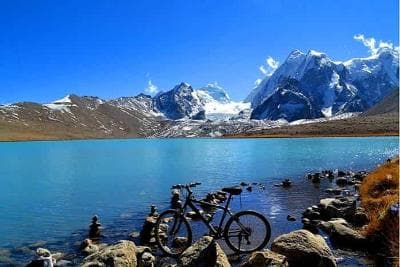
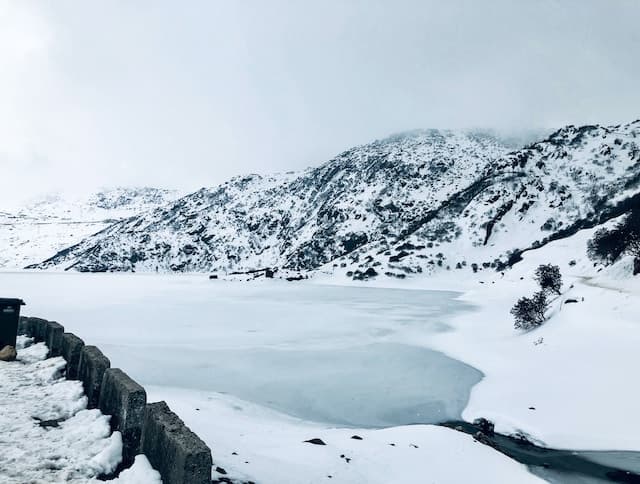
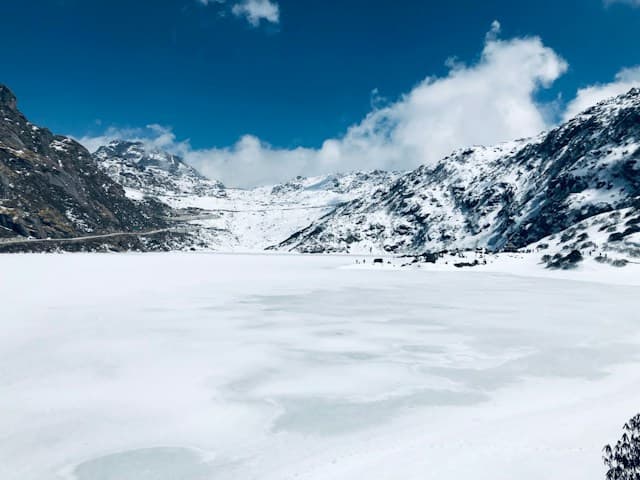
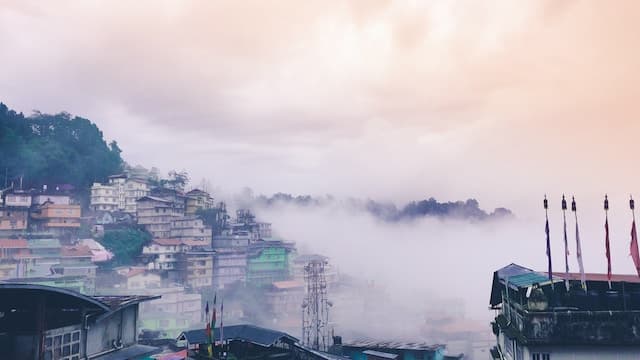
Winter in Sikkim is not the same everywhere. Gangtok and Pelling can feel cool and crisp during the day, while higher-altitude places such as Lachen, Lachung, Gurudongmar Lake, and Nathula can turn sharply cold with biting wind, frost, and occasional snowfall. In lower and mid-altitude towns, daytime temperatures may stay manageable, but evenings usually drop enough to make warm layers necessary.
For most travellers, the challenge is not just temperature but changing conditions. A bright morning in Gangtok can become a windy afternoon at Tsomgo Lake, and road conditions can alter the experience further. Pack for cold, wind, and the possibility of wet weather, because winter in the mountains can also bring slush, drizzle, and damp cold that feels stronger than dry cold.
The Best Clothing Strategy: Layering
The smartest way to dress for Sikkim in winter is to use layers. One thick sweater alone will not work as well as multiple lighter layers that you can add or remove depending on where you are. This also helps when you move from heated hotel rooms to open viewpoints, or from a car ride to a long walk outside.
Layer 1: Base layer
Your base layer should sit close to the body and keep you warm without trapping moisture. Thermal innerwear is the most useful purchase for winter in Sikkim, especially if you are going to high-altitude areas. Choose full-sleeve thermal tops and thermal leggings in a medium to heavy fabric rather than very thin ones.
Layer 2: Mid layer
The mid layer is your main insulation. A woollen sweater, fleece jacket, or sweatshirt works well here. If you feel the cold easily, carry at least two mid-layer options so you can wear one in the morning and another in the evening. Fleece tends to be lighter and dries faster, which is helpful if your clothing gets damp.
Layer 3: Outer layer
Your outer layer should protect you from wind and light rain or snow. A padded jacket, down jacket, or insulated winter coat is the most important outerwear item for Sikkim in winter. If you are visiting places like Nathula, Tsomgo Lake, Lachen, or Gurudongmar Lake, a proper windproof jacket becomes essential.
What to Pack for Different Sikkim Destinations
Not all parts of Sikkim need the same level of winter clothing. If you are mostly staying in Gangtok, a heavy jacket, thermals, and warm accessories are usually enough. If your itinerary includes northern Sikkim, pack more aggressively because temperatures there can be much lower.
| Destination | Winter clothing you should carry | What to expect |
|---|---|---|
| Gangtok | Thermals, sweater, padded jacket, scarf | Cool days, cold evenings, manageable walking weather |
| Pelling | Thermals, fleece, warm jacket, cap | Chilly weather and cold nights, especially in open viewpoints |
| Ravangla | Thermals, woollens, gloves, jacket | Cold air and early-morning chill |
| Tsomgo Lake / Nathula | Heavy jacket, thermal layers, gloves, woollen cap, socks | Windy, icy, and much colder than Gangtok |
| Lachung / Lachen | Heavy thermals, down jacket, fleece, muffler, woollen socks | Severe cold in mornings and nights, possible snow and frost |
Winter Essentials You Should Not Forget
Once the main clothing layers are sorted, focus on the smaller items that make winter travel much easier. These accessories often decide whether you stay warm during long drives, photo stops, and early departures.
- Woollen cap or beanie: A lot of heat escapes through the head, especially in windy areas.
- Gloves: Carry one pair for regular use and another warmer pair if you are heading to higher altitudes.
- Scarf or muffler: Useful for protecting your neck and face against wind.
- Woollen socks: Pack several pairs because cold feet can spoil the whole day.
- Comfortable winter shoes: Choose shoes with a good grip, especially if you may encounter slush or wet roads.
- Thermal inners: At least two pairs if your trip is longer than 4-5 days.
- Moisturiser and lip balm: The dry mountain air can be harsh on skin and lips.
Footwear for Sikkim Winter
Footwear is often underestimated, but it matters a great deal in Sikkim. Roads and paths can be dry one moment and slushy the next, especially if you are moving through shaded areas or higher-altitude stops. You need shoes that are warm, comfortable, and stable enough for uneven surfaces.
Closed shoes are the safest choice. Sports shoes can work for Gangtok and Pelling if they have a strong sole, but for northern Sikkim or snow-prone areas, winter shoes or light trekking shoes are better. Avoid open sandals, thin sneakers, and shoes that let in water easily. If your shoes are not waterproof, pack extra socks and a plastic bag to protect them in transit.
How to Dress by Time of Day
In Sikkim, the same outfit may not suit the whole day. Morning sightseeing usually calls for full winter layers, especially if your vehicle leaves early and you are driving into colder zones. By noon, Gangtok may feel pleasant enough for you to remove one layer, but the weather can change again by evening.
A practical daily outfit could be thermal inners, a long-sleeve top, a sweater or fleece, and a padded jacket. Add a cap and gloves if you are going for sunrise views or high-altitude excursions. For hotel stays, keep one set of lighter clothes ready so you do not feel overdressed indoors.
What to Buy Before You Leave vs What to Buy in Sikkim
You can buy most winter wear before reaching Sikkim, and that is usually the cheaper and safer option. Thermals, jackets, woollen socks, and shoes are often better purchased in your home city or online, where you can compare fit and quality. Winter clothing in tourist areas may be available, but prices can be higher and sizing may be limited.
If you forget something, Gangtok has markets and shops where you can pick up basics such as caps, gloves, socks, and sweaters. Prices are usually more manageable for small items than for heavy jackets. As a rough guide, thermals may cost around ?800-?2,000 per set, fleece jackets around ?1,000-?2,500, and good winter jackets around ?2,500-?8,000 depending on brand and warmth. Confirm locally, because prices vary by season and store.
Packing Tips for Couples, Families, and Elderly Travellers
If you are travelling with family, think beyond your own comfort. Children need extra socks, an additional mid-layer, and gloves that actually fit well. Elderly travellers should carry clothing that is warm but easy to wear, because heavy layers and tight shoes can become inconvenient during hotel changes and car transfers.
For couples or groups sharing luggage, divide winter gear carefully. One suitcase can hold jackets and shoes, while another carries thermals and accessories. This avoids a situation where all the warm clothes get packed into one bag that is delayed or misplaced.
If anyone in your group is sensitive to cold, make sure they have a backup layer in hand luggage. In Sikkim, delays due to road conditions are possible, so it helps to keep one extra sweater, socks, gloves, and a basic medicine pouch accessible during the drive.
Smart Extras for a Winter Trip to Sikkim
A few non-clothing items can make your winter wardrobe work much better. A small day backpack helps you carry layers when the weather changes. A compact umbrella can be useful in lower-altitude towns if there is drizzle, though it is not a substitute for a warm jacket. Zip-lock bags are also handy for keeping wet socks or damp accessories separate from dry clothes.
If you are planning photography stops or long road journeys, keep a pair of sunglasses too. Winter sun at high altitude can be surprisingly strong, and glare from snow or pale mountain roads can be uncomfortable. A pair of sunscreen and lip balm should travel with you wherever you go.
Frequently Asked Questions
How cold does Sikkim get in winter?
It depends on where you are going. Gangtok can be cool and pleasant during the day but cold in the morning and night, while places like Lachen, Lachung, Tsomgo Lake, and Nathula can feel much colder with icy wind and frost. If your itinerary includes northern Sikkim, pack as if you are travelling to a very cold hill station.
Do I need heavy winter jackets for Gangtok?
Yes, especially if you are visiting between December and February. A good padded jacket or down jacket is very useful in the mornings, evenings, and for day trips to colder areas. If you only carry a light sweater, you may feel underprepared once the temperature drops.
Are thermals necessary for Sikkim?
Thermals are highly recommended for winter travel in Sikkim. They make a big difference in comfort, particularly in higher-altitude destinations and on long road journeys. If you are travelling with children, older adults, or anyone who feels cold easily, thermals are even more important.
Can I buy winter clothes in Gangtok?
Yes, you can find basic winter items in Gangtok, including gloves, caps, socks, sweaters, and some jackets. However, it is better to buy your main winter clothing before the trip so you can choose proper fit and quality. Local shopping is useful mainly as a backup.
What shoes are best for Sikkim in winter?
Closed shoes with a strong sole and good grip are the safest choice. Winter shoes or light trekking shoes are ideal if you are visiting snow-prone or high-altitude places. Try to avoid slippery soles, open footwear, and shoes that do not dry quickly.
How many layers should I pack for a 5-7 day Sikkim trip?
For a week-long winter trip, pack at least two thermal sets, three to four mid-layers, one heavy jacket, several pairs of socks, gloves, a cap, and one pair of sturdy shoes. That gives you enough flexibility for different altitudes and weather changes. If you are going to North Sikkim, carry one extra warm layer than you think you need.
Sikkim in winter is rewarding when you dress for the conditions instead of guessing. A smart mix of thermals, layers, and reliable footwear will keep you warm in Gangtok, comfortable on the road to Pelling, and prepared for the colder air of Lachen, Lachung, Tsomgo Lake, and Nathula. Pack thoughtfully, check the forecast and road updates before departure, and your trip will feel far more relaxed.
If you found this Sikkim winter clothing guide useful, share it with someone planning a North-East trip.
Planning a North-East trip?
Tell us your dates and who is travelling. Up to three local travel companies send you their itinerary and price.
Get free quotesDisclaimer: The information in this blog is for general information only. We try to keep it accurate and up to date, but TravelSetu accepts no liability for errors or omissions. If you believe any part of it infringes your rights, please write to info@travelsetu.com.