If you are planning a trip to Sikkim, one small item can make a surprisingly big difference: a reliable power bank. Between long mountain drives, patchy mobile network, cold weather that drains batteries faster, and the chance of being away from sockets for hours at a time, keeping your phone charged is not just convenient, it is practical. This guide will help you understand how charging works in Sikkim, what kind of power bank to carry, where you can top up, and how to avoid running out of battery when you need maps, bookings, photos, or emergency calls the most.
Why Charging Matters So Much in Sikkim
Sikkim is one of those destinations where your phone works harder than usual. You may use it for navigation on steep roads, checking weather, confirming permits, staying in touch with your driver, and capturing views all day. On many routes, especially from Gangtok to Nathula, Tsomgo Lake, North Sikkim, Pelling, Lachung, or Lachen, you can spend several hours in areas where charging options are limited and the battery drains quickly because the signal keeps searching.
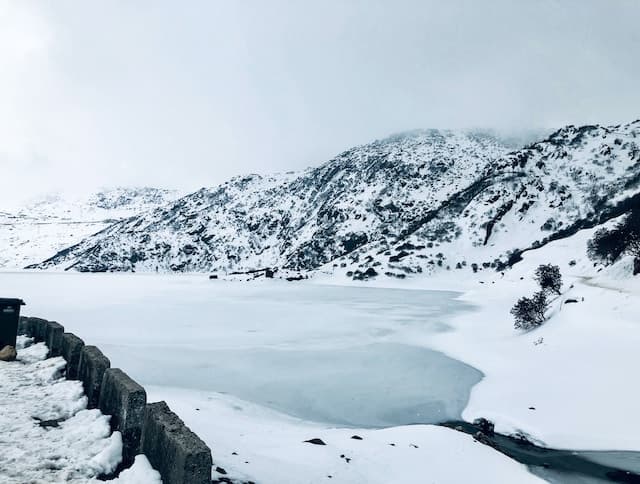
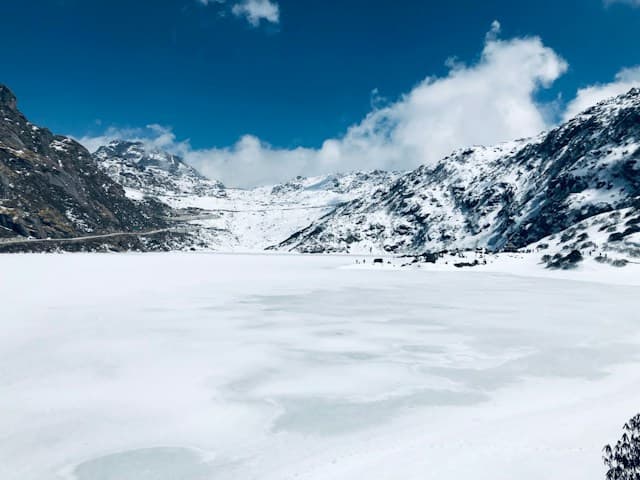
Cold weather is another reason. In places like Lachung, Lachen, Yumthang Valley, Zuluk, and even higher parts around Gangtok in winter, lithium batteries lose charge faster than they do in warmer cities. A phone that usually lasts a full day in Delhi, Mumbai, or Bengaluru may feel half-dead by afternoon in the hills. That is why many experienced travellers carry more than one charging option instead of relying only on a wall socket at the hotel.
How Power Supply and Charging Work in Sikkim
In towns such as Gangtok, Pelling, Namchi, Ravangla, and Mangan, you will usually find decent electricity and normal hotel charging points. In tourist areas and established guesthouses, charging is straightforward if you remember to plug in your phone overnight. The challenge begins when you move into remote stretches, start early for sightseeing, or stay in basic homestays where sockets may be limited in number.
Power cuts can happen in hill regions, and sometimes the electricity supply comes and goes for short periods. Most hotels have backup systems, but you should not assume uninterrupted charging all day. Many homestays also prefer that guests charge devices at specific times, especially if the property runs on a generator or solar backup. It is always better to ask at check-in rather than discover a dead phone at night.
| Location in Sikkim | Charging situation | What you should do |
|---|---|---|
| Gangtok, Pelling, Namchi | Usually reliable in hotels and cafés | Charge overnight and carry a backup power bank |
| North Sikkim and higher-altitude routes | Limited sockets, possible outages, cold weather drains battery | Fully charge before departure and keep a large-capacity power bank |
| Day excursions like Tsomgo Lake, Nathula, Ravangla | No dependable public charging on the route | Carry a charged phone and power bank from the hotel |
| Homestays and smaller guesthouses | May have fewer charging points | Ask about charging timing and keep one multi-port charger if possible |
What Kind of Power Bank You Should Carry
For most travellers, a power bank of 10,000 mAh is the minimum sensible option. If you are on a short trip and mainly using your phone for camera, WhatsApp, and maps, this can be enough. For longer Sikkim itineraries, especially if you are travelling to North Sikkim, spending nights in remote homestays, or carrying multiple devices, a 20,000 mAh power bank is more useful.
Choosing the right capacity
- 10,000 mAh: Good for city stays, short day trips, and one full phone recharge or slightly more, depending on your device.
- 20,000 mAh: Better for 4-7 day trips, cold weather, multiple phone charges, and a little extra cushion.
- 30,000 mAh and above: Helpful for group travel or long itineraries, but heavier and bulkier.
For Sikkim, many travellers find the sweet spot is a 20,000 mAh power bank with at least two output ports. If you carry a phone, a smartwatch, and a camera, USB-C output is especially useful. Fast charging is a bonus, but only if your cable and phone support it. Bring good-quality cables; a weak cable can be the reason your device charges painfully slowly even though the power bank is full.
Features worth paying for
- Dual output ports: Useful if you are charging a phone and another device together.
- LED battery indicator: Helps you judge how much charge is left before leaving the hotel.
- Fast-charge support: Saves time during breakfast breaks and transit stops.
- Compact body: Easier to carry in a daypack while moving around Gangtok or on mountain roads.
As a rough budget, a decent 10,000 mAh power bank in India may cost around ?1,000-?1,800, while a good 20,000 mAh model may cost ?1,800-?3,500. If you need rugged build quality or fast charging, prices can go higher. Check compatibility and reviews before buying, because a cheap product may not perform well in cold conditions.
Best Places to Charge During Your Sikkim Trip
Your best charging opportunities are usually your hotel room, homestay common area, or a café in a larger town. Gangtok gives you the most flexibility because many hotels, restaurants, and bakeries have accessible sockets, and the city is a sensible base for charging all your devices before moving to more remote regions.
At hotels and homestays
Charge everything overnight. If you are planning a day trip to Tsomgo Lake, Nathula, or the surrounding high-altitude areas, plug in your phone and power bank before sleeping. In some homestays, electricity may be cut or rationed after a certain time, so ask the host when to charge. It is also polite to avoid occupying one socket for multiple devices if the property has limited outlets.
In cafés and restaurants
In Gangtok and a few other main towns, some cafés allow charging if you are eating there. This is not a guarantee, so ask before you plug in. Carry your own charger and cable so you can quickly top up during a meal stop. If you are on a tight schedule, a 20-30 minute charge while you have lunch can add enough battery to last the rest of the day.
In taxis and private vehicles
Some taxis have a USB port or a car charger, but do not depend on it unless you have confirmed it with the driver. This is especially important on longer routes like Gangtok to Lachung, Gangtok to Lachen, or Pelling to Yuksom. A car charger can be useful, but a power bank should still be your primary backup.
Smart Charging Habits for Mountain Travel
The easiest way to avoid battery stress in Sikkim is to treat charging as part of your daily routine, just like packing a jacket or checking the weather. Charge your phone to 100% at night, keep your power bank full, and top up during lunch whenever possible. It sounds basic, but these small habits save you from the panic of seeing 8% battery in the middle of a scenic route with no signal and no socket.
Also, switch on low-power mode, reduce screen brightness, and close apps you do not need. If you are taking lots of photos, use airplane mode when the network is weak; phones consume a lot of power searching for a signal. Download offline maps before leaving Gangtok, since that can reduce battery use and help when data is patchy on the road.
Cold weather battery care
Keep your phone and power bank in an inner jacket pocket when temperatures drop. Do not leave them in the vehicle overnight if it is very cold. Batteries perform better when they stay close to room temperature. If your phone switches off suddenly in the cold, warm it gradually in your pocket before trying to power it on again.
What to Pack Besides the Power Bank
A power bank by itself is not enough if you forget the accessories. In Sikkim, the smallest missing item can become annoying because shops in remote areas may not stock exactly what you need.
- One extra charging cable: Pack a spare USB-C, Lightning, or micro-USB cable as needed.
- Multi-port wall charger: Useful if you want to charge a phone, power bank, and camera battery together in the hotel.
- Universal extension board: Helpful in older hotels where sockets are awkwardly placed.
- Car charger: Optional, but handy for long road journeys.
- Small pouch: Keep cables and power bank together so you can find them quickly at security checks or during transfers.
If you are carrying an expensive camera or drone battery, ask your hotel in advance about charging points. This is especially useful in properties around North Sikkim, where facilities may be simpler than in Gangtok or Pelling.
Sample Charging Strategy for a Sikkim Itinerary
If you are in Sikkim for 5-7 days, a simple plan works well. On the first night in Gangtok, charge your phone, power bank, camera, and any spare batteries. For day trips to Tsomgo Lake or Nathula, carry the phone and power bank fully charged and expect no dependable public charging on the route. Before travelling onward to Lachung, Lachen, or other remote areas, make it a rule to leave the hotel with everything at 100%.
For a relaxed itinerary, this is usually enough: one 20,000 mAh power bank, one backup cable, and a charger with two or more ports. If you are travelling with family, assign one person to keep all charging gear in one bag. That way, you do not end up with three phones at 12% battery and no cable in sight.
Frequently Asked Questions
Is a power bank necessary for Sikkim?
Yes, it is strongly recommended. Even if your hotel has electricity, you may spend long hours on the road or in areas where charging is not available. In cold and high-altitude conditions, your battery can drain faster than usual.
What capacity power bank is best for Sikkim?
For short trips, 10,000 mAh may be enough, but 20,000 mAh is the safer choice for most travellers. It gives you more flexibility for day trips, cold weather, and longer stretches away from sockets. If you are carrying multiple devices, go for the larger capacity.
Can I charge my phone in taxis in Sikkim?
Sometimes yes, but you should not depend on it. Some vehicles have USB ports, while others do not. Treat in-car charging as a bonus, not your main plan.
Do hotels in Gangtok usually have enough charging points?
Most hotels in Gangtok do, especially mid-range and better properties. Smaller homestays may have fewer sockets, so it is worth carrying a charger with multiple ports or an extension board. Always ask if you need to charge several devices at once.
Does cold weather really affect battery life that much?
Yes, it can. Phones and power banks lose efficiency in low temperatures, so battery percentages may fall faster than expected. Keeping devices in an inner pocket helps protect them.
Can I buy a power bank in Sikkim if I forget mine?
Yes, you can usually find options in Gangtok and other larger towns, but the choice may be limited and prices can be higher than in bigger cities. It is better to buy one before your trip so you can choose the right capacity and quality.
Conclusion
Sikkim rewards travellers who prepare well, and charging is one of the easiest things to plan in advance. If you carry the right power bank, keep your devices warm, and charge smartly at every opportunity, you will spend less time worrying about battery and more time enjoying the journey through Gangtok, North Sikkim, Pelling, and beyond. Prices, electricity conditions, and transport facilities can change, so confirm details before booking and keep a little buffer in your plan.
If you found this guide useful, share it with someone planning a Sikkim trip.
Planning a North-East trip?
Tell us your dates and who is travelling. Up to three local travel companies send you their itinerary and price.
Get free quotesDisclaimer: The information in this blog is for general information only. We try to keep it accurate and up to date, but TravelSetu accepts no liability for errors or omissions. If you believe any part of it infringes your rights, please write to info@travelsetu.com.