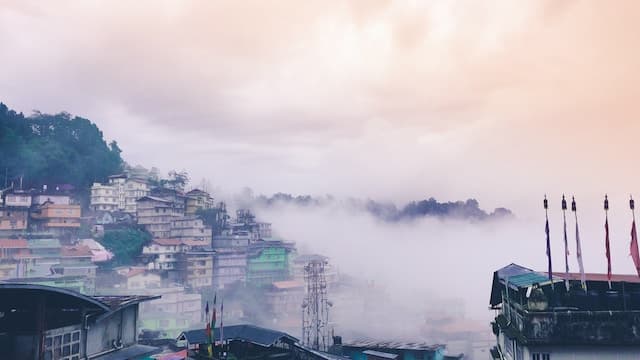
If you are planning a Sikkim trip, sun protection needs as much attention as your hotel booking or permit check. At altitude, the UV level rises quickly, so even on cool or cloudy days you can return from a day out with a painful sunburn or a headache from glare.
This guide is for Indian travellers heading to Gangtok, Tsomgo Lake, Nathula, Lachung, Lachen, Yumthang, Pelling, or even a short monastery circuit. You will get a clear idea of how strong the sun can feel in Sikkim, which months need extra care, what to carry, and how to plan your day so you enjoy the mountain views without overexposing your skin.
Why the Sun Feels Stronger in Sikkim
Sikkim’s altitude changes the way sunlight behaves. Gangtok itself sits at around 1,650 metres, while popular day-trip points such as Tsomgo Lake, Nathula Pass, Yumthang Valley and Zero Point are much higher. As you gain altitude, the atmosphere becomes thinner and filters less UV radiation, so the same sun that feels pleasant in the plains can be far harsher in the mountains.
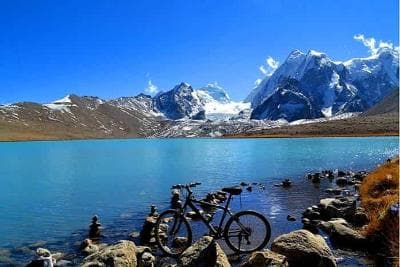
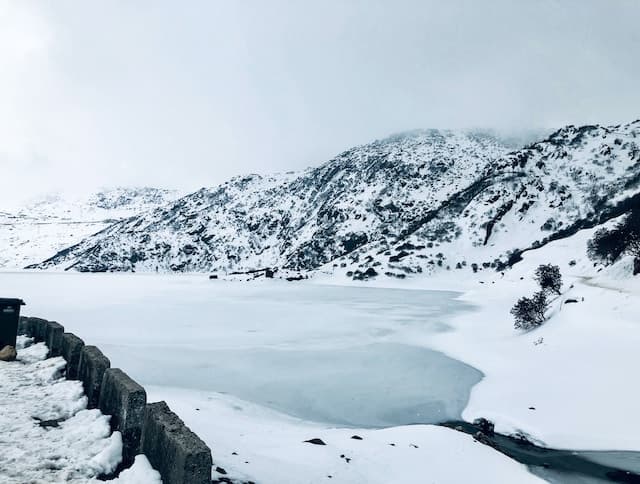
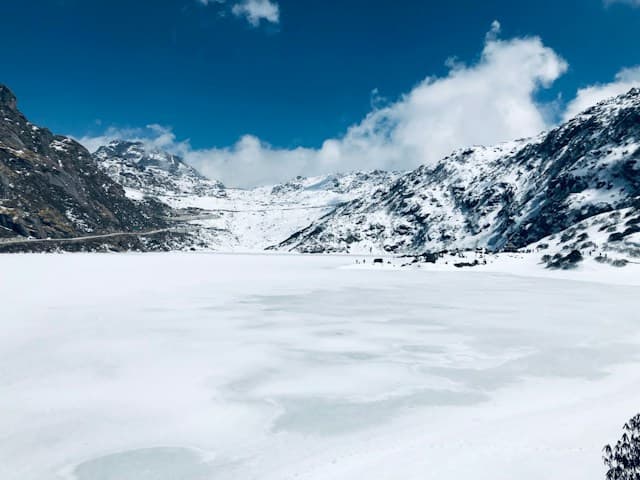
This is why travellers often underestimate sun exposure in Sikkim. The weather may be cool, there may be mist in the morning, and there may even be snow nearby, but UV rays still reach your skin. Snow and water also reflect sunlight, which increases exposure for your face, neck, and eyes. In simple terms: you can get sunburnt even when it does not feel hot.
Which Parts of Sikkim Need the Most Sun Protection
Higher-altitude day trips
Places like Tsomgo Lake, Nathula Pass, Kupup, Yumthang Valley, and Zero Point are where you should be most careful. These routes usually involve strong glare from open slopes, stretches of snow in winter or spring, and long periods outdoors with little shade. If you are spending 4-8 hours on such a trip, sunscreen and sunglasses are not optional.
Valleys and towns
Gangtok, Namchi, Pelling, Ravangla, and Yuksom are lower than the high passes, but they are still mountain towns. Midday sun can be intense, especially on clear winter days from October to March. Even a relaxed café-hopping or monastery visit can add up to more exposure than you expect.
On roads and viewpoints
Much of Sikkim sightseeing involves time on roads, stopping at viewpoints, waterfalls, and parking areas. The sun can catch you while waiting for permits, getting into shared vehicles, or standing outside a roadside tea stall. These short moments matter because exposure accumulates quickly at altitude.
Best Months to Be Extra Careful
Sikkim needs sun protection year-round, but some months demand more caution. The clearest skies and strongest glare usually arrive from October to April. Winter and early spring are especially deceptive because the air feels crisp and cool, yet the UV index can remain high.
| Season | Sun Exposure Level | What to Expect |
|---|---|---|
| October to February | High | Clear skies, strong glare, cold wind, dry skin risk |
| March to May | Very high | Bright sun, longer daylight hours, more time outdoors |
| June to September | Moderate to high | Cloud cover may reduce direct sun, but UV still passes through |
During monsoon months, many travellers think they can skip sunscreen. That is a mistake. Clouds do not block all UV radiation, and if you are on a wet, reflective road or a bright clearing after rain, your skin can still get hit hard. Keep protection in your day bag even when the skies look grey.
What to Pack for Sun Safety in Sikkim
A well-packed day bag can make a big difference. For most travellers, the goal is not overpacking; it is carrying a few small items that prevent discomfort and damage.
- Sunscreen: Broad-spectrum SPF 30 or SPF 50, preferably water-resistant
- Sunglasses: UV-protected, ideally wraparound style for glare
- Cap or hat: A brimmed hat works better than a basic cap on open roads
- Light scarf or buff: Useful for neck, ears, and wind protection
- Lip balm with SPF: Dry mountain air can crack lips quickly
- Moisturiser: Helps if your skin becomes dry from wind and sun
- Water bottle: Hydration supports both skin comfort and altitude adjustment
If you are travelling in winter, choose layers that are easy to remove and add. You may begin the day in a thick jacket and still need to protect your face and hands when the sun appears. Many travellers forget the back of the neck, ears, and hands, which are the first areas to burn during long sightseeing drives.
How to Use Sunscreen Properly in the Mountains
Buying sunscreen is one thing; using it well is another. In Sikkim, apply it 20-30 minutes before you go out, not after you have already started the drive. Reapply every 2-3 hours if you are outdoors, and sooner if you are sweating, wiping your face often, or exposed to snow and strong wind.
Do not leave sunscreen only for sunny days. The mountain climate can change in minutes. If your Tsomgo Lake visit begins with mist and ends in bright sunshine, your skin will still need protection. Also, remember the exposed areas people often miss: eyelids, ears, the back of the neck, the top of the feet if you are in open footwear, and the hands.
If you have sensitive skin, test a new sunscreen before your trip. Travelling is not the best time to discover that a product stings your eyes or causes a rash. For families, carry one product that works for adults and another child-friendly option if needed.
Sun Exposure and Altitude Sickness: They Are Not the Same, But They Can Overlap
Sun exposure and altitude sickness are different problems, but they can make each other worse. A strong sun can leave you dehydrated, tired, and headachy, which may feel similar to altitude discomfort. At the same time, if you are already adjusting to thin air, direct sunlight and heat can increase strain on your body.
The practical solution is simple: pace your movement, drink enough water, and avoid rushing straight into a high-altitude excursion after a tiring overnight journey. If you are arriving in Gangtok from Siliguri or Bagdogra, try to keep your first half-day lighter. That gives your body a better chance to settle before you head to places like Nathula or Yumthang.
If you develop severe headache, nausea, dizziness, or breathlessness, do not assume it is only sun exposure. Seek local medical help and follow your driver or hotel staff’s guidance. It is always better to pause a trip than to push through a serious altitude issue.
Smart Daily Habits for Sikkim Sightseeing
You do not need a complicated routine to stay protected. A few habits can reduce sun stress significantly, especially on itineraries that involve multiple stops.
- Start early: Morning light is gentler than the harsh midday sun, particularly for open viewpoints.
- Plan shaded breaks: Stop for tea, lunch, or monastery visits around the hottest part of the day.
- Cover up lightly: Full-sleeve breathable layers often work better than exposing arms and relying only on sunscreen.
- Stay hydrated: Carry enough water for the road, especially on remote routes with limited stops.
- Protect children and older travellers: They may not notice early signs of sun stress quickly.
If you are making a one-day trip from Gangtok to Tsomgo Lake and Nathula, expect long road time, weather uncertainty, and limited flexibility. In such cases, sun protection should be ready before the vehicle leaves the town. For longer itineraries in North Sikkim, keep a small day kit packed each morning rather than repacking every evening.
How Much You May Spend on Sun-Protective Essentials
For budget planning, sun-safe travel in Sikkim does not add much to your total cost. If you are buying the basics before your trip, a decent sunscreen may cost around ?300-?900, sunglasses can range from ?500-?2,000, and a good cap or hat may be ?300-?1,000. A lip balm with SPF usually falls between ?150-?400.
Travellers booking a Sikkim package should still budget a little extra for mountain-specific needs such as gloves, thermal layers, or a scarf if you do not already own them. These items are not luxuries in the hills; they are part of practical comfort. Prices change by season and brand, so check before buying.
What Different Types of Travellers Should Keep in Mind
Families: Children often enjoy the open scenery but may not complain early when the sun becomes uncomfortable. Carry caps, water, and kid-friendly sunscreen, and build in rest stops.
Seniors: Older travellers should avoid standing too long in direct sun at viewpoints and should keep sunglasses handy. A lighter sightseeing schedule works better than a packed, rushed day.
Photographers: You may spend longer than others outdoors waiting for light. Mountain light is beautiful, but it can also be harsh on skin and eyes. Put sun protection on before taking out your camera gear.
Adventure travellers: Treks and high passes demand more discipline because you are exposed for longer. Sunburn on a trek can become painful fast, especially when sweat and wind dry the skin.
Frequently Asked Questions
Is sunscreen really necessary in Sikkim if the weather is cold?
Yes, absolutely. Cold air does not reduce UV exposure, and the sun at altitude can still burn your skin. In fact, many people get caught out precisely because it does not feel hot.
Do I need sunscreen in cloudy or rainy weather in Sikkim?
Yes, you should still use it. Clouds reduce direct sunlight, but UV rays still pass through, and the weather can clear quickly in the mountains. Keep protection on even during monsoon or misty mornings.
What SPF is best for a Sikkim trip?
SPF 30 is the minimum sensible choice, and SPF 50 is better for long outdoor days or snow-bound routes. If you have sensitive skin or plan to spend time at higher passes, a broad-spectrum SPF 50 is a safer pick. Reapplication matters as much as the number on the bottle.
Can I buy sunscreen easily in Sikkim?
Yes, you can find it in larger towns such as Gangtok, but the choice may be limited compared with major cities. It is better to carry your preferred product from home so you are not relying on local availability. This is especially useful if you need a particular formula for sensitive skin.
Does snow make sun exposure worse in Sikkim?
Yes, snow reflects sunlight and increases glare, which means your face, eyes, and even under-chin area can get more exposure. This is one reason winter and early spring travel still require strong sun protection. Sunglasses and a scarf help more than many first-time travellers expect.
How can I tell if I am getting too much sun or altitude stress?
Look for warning signs such as headache, unusual tiredness, nausea, dizziness, dry mouth, or skin that feels hot and painful. If symptoms worsen, rest, drink water, and seek help rather than pushing on. In the hills, it is smarter to slow down early than to recover later.
Sikkim is one of the most rewarding destinations in North-East India, and the mountain light is part of its beauty. If you respect the altitude and protect yourself from the sun, you will enjoy the monasteries, lakes, valleys, and passes with far more comfort. Pack smart, start early, and keep your skin, eyes, and energy in good shape for the journey.
If this guide helped you plan better for your Sikkim trip, share it with someone heading to the hills soon.
Planning a North-East trip?
Tell us your dates and who is travelling. Up to three local travel companies send you their itinerary and price.
Get free quotesDisclaimer: The information in this blog is for general information only. We try to keep it accurate and up to date, but TravelSetu accepts no liability for errors or omissions. If you believe any part of it infringes your rights, please write to info@travelsetu.com.