If you are planning a Sikkim trip and want more than just mountain views, this guide is for you. It walks you through the clock towers and major landmarks that shape the character of the state, especially around Gangtok, and helps you plan a relaxed sightseeing route with realistic travel times, costs and local context.
Sikkim is small on the map, but its landmark circuit is full of variety: a neat town centre, monasteries on hillsides, viewpoints, palaces, lakes and memorials. If you like exploring places that tell you something about local history and everyday life, you will enjoy putting these stops together into a single trip.
Why Sikkim’s clock towers and landmarks matter
In Sikkim, landmarks are not just photo stops. They often act as anchors for the way people move around towns, meet friends, shop, eat and start day trips into the hills. A clock tower in the centre of a town can tell you a lot about the area’s public life, while a monastery, viewpoint or memorial gives you the wider cultural and historical picture.
Most travellers first encounter Gangtok, the capital, and that is where the best-known urban landmarks are concentrated. From there, you can branch out to Rumtek, Tashi View Point, Namchi, Ravangla and Pelling, depending on how many days you have. For a first trip, a 4- to 6-day itinerary works well; if you want a slower pace, add a couple of nights.
Gangtok: the best place to start your landmark trail
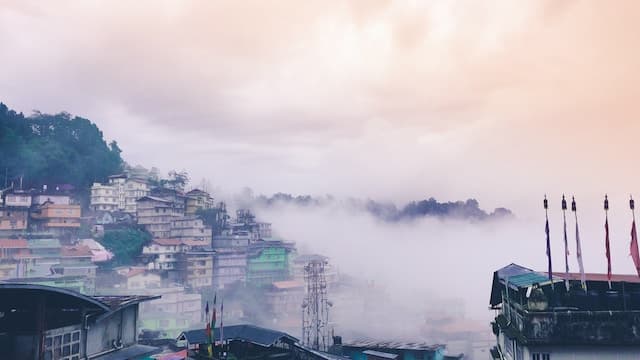
Gangtok is the easiest base for seeing Sikkim’s well-known landmarks because the city is compact, walkable in parts and well connected by taxis. Most visitors stay around MG Marg or nearby areas, where shops, cafes and hotels sit close to the city’s main points of interest.
Gangtok Clock Tower
The Gangtok Clock Tower is one of the city’s most recognisable public markers and a simple place to begin your walk around town. It may not be a grand monument, but it sits in the everyday flow of Gangtok and gives you a good sense of how the city is organised. It is a useful orientation point if you are exploring on foot or taking a short taxi loop around the centre.
Spend a few minutes here, then continue to nearby streets for local snacks, souvenir shopping and views of the surrounding hills. Since Gangtok roads can be steep, wear comfortable shoes and keep a little extra time in hand if you are walking between stops.
MG Marg
MG Marg is Gangtok’s best-known promenade and one of the cleanest public spaces in the state. It is a pedestrian-only stretch lined with restaurants, small stores and benches, and it becomes especially lively in the evening. For many travellers, it is the social centre of the city and the place where the trip naturally slows down after sightseeing.
Plan to spend 1-2 hours here, longer if you want coffee, momos or a slow dinner. It is also a practical base for booking local taxis or checking day-trip rates, though you should always confirm prices with your hotel or a reliable local operator.
Do-Drul Chorten and the nearby Institute of Tibetology
Do-Drul Chorten is one of Gangtok’s important Buddhist landmarks and a calm stop after the busier city centre. The white stupa and surrounding prayer wheels create a quiet atmosphere, and the site is often included in standard local sightseeing routes. Not far away, the Namgyal Institute of Tibetology adds historical depth with its focus on Tibetan culture, manuscripts and Buddhist studies.
These two stops work well together because they are close enough for a single visit and together usually take around 1.5-2.5 hours. If you are interested in Sikkim’s religious and cultural identity, this pair is far more meaningful than a quick photo stop.
Beyond the city centre: landmarks that complete a Gangtok day
Once you have seen the central market area, add a few more landmarks to understand Gangtok’s geography and history. Most of these can be covered in a half-day sightseeing circuit by local taxi.
Enchey Monastery
Enchey Monastery sits above the city and is one of Gangtok’s oldest and most respected monastic sites. The approach is uphill, so a cab is the easiest option unless you enjoy climbing steps. The monastery is especially appealing if you want a quieter place than the centre and a broader view of how Buddhism shapes daily life in Sikkim.
A visit usually takes 30-45 minutes, though you may spend longer if you like unhurried temple visits. Dress modestly, keep your voice low and ask before photographing people or prayer ceremonies.
Hanuman Tok and Ganesh Tok
These two viewpoints are often clubbed together because they are both easy additions to a city sightseeing route and both provide sweeping views on clear days. Hanuman Tok is associated with a temple complex and a serene hilltop setting, while Ganesh Tok is smaller and more compact but popular for its city-and-valley outlook.
Expect to spend around 30-45 minutes at each, depending on weather and traffic. Morning visits are generally better because the sky is clearer and you are less likely to lose time to cloud cover.
Tashi View Point
Tashi View Point is a classic Gangtok stop for sunrise or early morning mountain views, especially when the weather behaves. On a clear day, you may catch distant peaks, and even when the mountains are hidden, the viewpoint still gives you a strong sense of the landscape around the city. It is best visited early, before the cloud cover thickens.
If you are staying near central Gangtok, this can be part of a half-day loop along with monasteries and other viewpoints. Local taxis are usually charged per circuit, so agree on the fare before starting.
Important landmarks outside Gangtok worth adding to your route
If you have at least one extra day, do not stop at Gangtok alone. Sikkim’s other landmark towns each offer a different angle on the state’s history, faith and landscape.
Rumtek Monastery
Rumtek Monastery, about 20-25 km from Gangtok depending on your exact starting point, is one of the most significant monastery complexes in Sikkim. The drive usually takes around 45 minutes to 1.5 hours, depending on traffic and road conditions. This is one of the state’s most important religious landmarks and deserves a proper visit, not just a quick look from the entrance.
Allow 1.5-2 hours here so you can walk around the complex, take in the architecture and understand why it matters to the region’s Buddhist heritage. A local taxi from Gangtok can be arranged for a half-day outing, and the cost is commonly in the range of ?2,000-?3,500 depending on vehicle type and season, but confirm locally.
Nathula and Tsomgo Lake
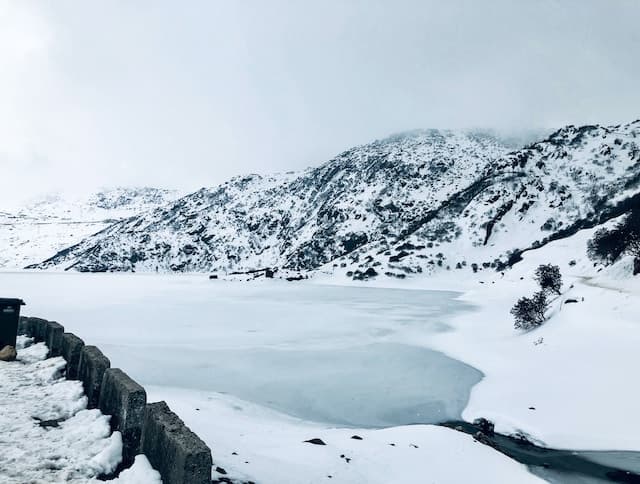
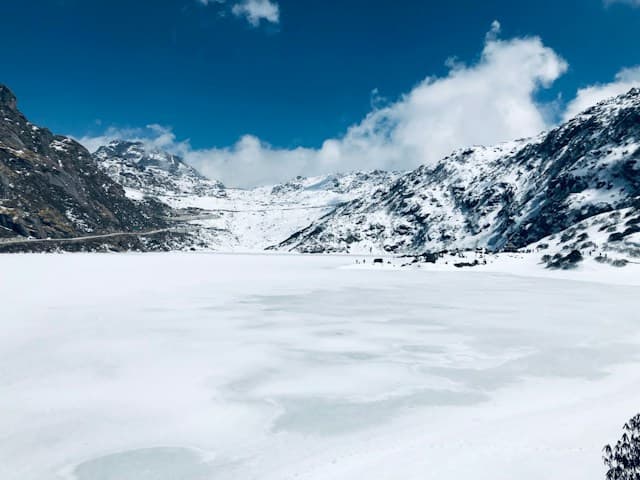
Nathula is one of Sikkim’s most famous high-altitude routes, and Tsomgo Lake is the stop most travellers remember long after the trip. These are not clock towers or city landmarks, but they are central to any larger Sikkim sightseeing plan because they add the high-mountain dimension to your itinerary. The road trip from Gangtok can take several hours each way, and permits are required for restricted-area travel, so arrangements should be checked in advance.
Because weather changes quickly, treat this as a day with flexible expectations. Costs for shared or private transport vary widely, so use your hotel or a trusted travel operator and confirm permit rules before booking.
Namchi and the Char Dham complex
Namchi in South Sikkim is worth considering if you want a mix of religious and scenic landmarks. The Char Dham complex is a prominent stop here, and the town also gives you a different pace from Gangtok. The road journey from Gangtok can take about 3-4 hours, depending on route and traffic.
This area works well as an overnight side trip if you want a less rushed itinerary. Budget roughly ?2,500-?5,000 per night for decent mid-range hotels in and around popular tourist towns, though rates can move up during holidays.
A simple landmark itinerary for 3 to 5 days
If you want an easy, balanced plan, start with Gangtok and then expand outward. This keeps travel time sensible and reduces the risk of spending your holiday entirely in the car.
- Day 1: Arrive in Gangtok, evening walk on MG Marg, visit the Gangtok Clock Tower area
- Day 2: Do-Drul Chorten, Namgyal Institute of Tibetology, Enchey Monastery, Ganesh Tok or Hanuman Tok
- Day 3: Rumtek Monastery and nearby viewpoints
- Day 4: Tashi View Point early morning, then choose either a relaxed Gangtok day or a longer trip to Tsomgo Lake
- Day 5: Add Namchi or Pelling if you want a second district and a different landscape
If you are short on time, keep your focus on Gangtok plus one major outstation landmark like Rumtek. That combination gives you city life, spiritual heritage and a manageable pace.
Practical travel tips for visiting Sikkim landmarks
Most landmark visits in Sikkim are best done with a local taxi rather than self-driving, especially if you are not used to hill roads. Roads can be narrow, traffic can slow down unexpectedly and weather can change your plan on short notice. For popular routes inside and around Gangtok, a half-day taxi may cost roughly ?1,500-?3,000, while longer outstation trips cost more; always confirm current rates.
The best months for sightseeing are generally March to May and October to early December, when the weather is more pleasant and views are more likely to be clear. Monsoon months can bring slips, road delays and cloud cover, while winter can be cold, especially in higher areas. Pack layered clothing, cash for small purchases and some medication if you are sensitive to mountain travel.
If you are visiting monasteries and religious sites, dress respectfully and keep your shoulders and knees covered where appropriate. At some sites, footwear must be removed before entering inner areas. For high-altitude destinations like Tsomgo or Nathula, keep your plans flexible and avoid rushing the first day after arrival in Gangtok.
What kind of traveller will enjoy this circuit?
This landmark trail suits you if you enjoy a mix of culture, easy walks, scenic viewpoints and heritage stops. It is especially good for families, couples and small groups who want to avoid overpacked sightseeing. Photographers, history enthusiasts and first-time visitors to the North-East will all find enough variety here to keep the trip interesting.
If you prefer intense adventure, you can still use these landmarks as your base and then add trekking, river activities or longer mountain drives. But for many Indian travellers, the appeal of Sikkim lies in how comfortably it balances ease and discovery.
Frequently Asked Questions
How many days do I need to see Sikkim’s main landmarks?
For Gangtok and nearby landmarks, 2-3 days is enough for a good overview. If you want to add Rumtek, Tsomgo Lake, Nathula or Namchi, plan for 4-6 days. A slower trip lets you deal better with weather changes and road delays.
Is Gangtok Clock Tower worth visiting on its own?
It is better seen as part of a Gangtok city walk than as a standalone attraction. The value is in its location and the sense of the town centre it gives you. If you are already on MG Marg or nearby, it is easy to include without extra effort.
What is the best time of day to visit viewpoints like Tashi View Point?
Early morning is usually best because visibility is better and cloud build-up is lighter. After late morning, mountain views can fade quickly, especially in wetter months. If the sky is not clear, do not force expectations; enjoy the landscape and move on.
Are permits needed for all Sikkim landmarks?
No, permits are not needed for every site, but they are required for some restricted-area destinations such as Nathula and certain border-side routes. Requirements can change, so check with your hotel, taxi operator or tour provider before booking. It is always better to verify rather than assume.
Can I cover Gangtok landmarks on foot?
Some central areas, especially around MG Marg, are walkable. But many important landmarks sit on hills or require taxis because of steep roads. For comfort and time savings, use a mix of walking and local cabs.
What budget should I keep for a short landmark-focused Sikkim trip?
For a comfortable mid-range trip, many travellers spend about ?4,000-?8,000 per day for two people excluding long-distance flights or trains, depending on hotel choice, taxi use and meals. Costs can be higher in peak season or for high-altitude excursions. It is wise to get updated quotes before you lock in your plan.
Conclusion
Sikkim’s clock towers and landmarks give you a practical way to understand the state beyond the usual scenic image. Start with Gangtok’s city centre, add a monastery or two, then move out to the larger religious and mountain landmarks if your schedule allows.
If you plan it well, you will come back with more than photos: you will have a sense of how Sikkim lives, moves and welcomes visitors.
If you found this guide useful, share the post with someone planning a North-East trip.
Planning a North-East trip?
Tell us your dates and who is travelling. Up to three local travel companies send you their itinerary and price.
Get free quotesDisclaimer: The information in this blog is for general information only. We try to keep it accurate and up to date, but TravelSetu accepts no liability for errors or omissions. If you believe any part of it infringes your rights, please write to info@travelsetu.com.