If you are planning a winter trip to Sikkim, a little preparation goes a long way. The state can feel magical in cold weather, but temperatures can drop quickly at higher altitudes, roads may slow down, and the wrong clothing can turn a beautiful holiday into a tiring one.
This guide is for Indian travellers heading to Sikkim in the colder months, especially if you are visiting Gangtok, Tsomgo Lake, Nathula, Lachung, Lachen, Yumthang, Pelling or Zuluk. You will find practical packing tips, weather expectations, travel advice, health precautions, and a simple checklist to help you stay warm and comfortable.
Understand Sikkim’s winter conditions before you pack
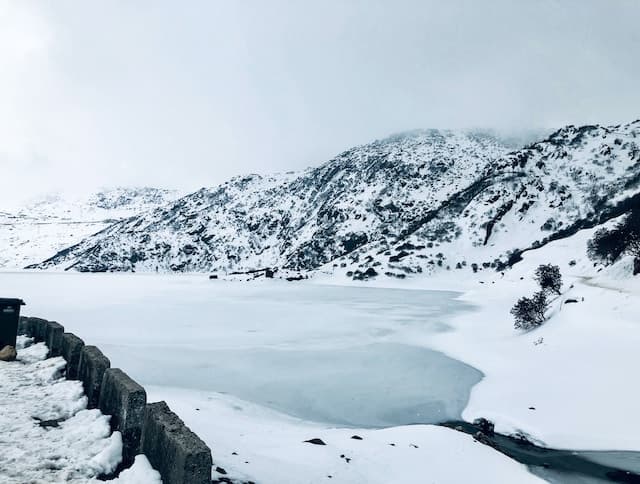
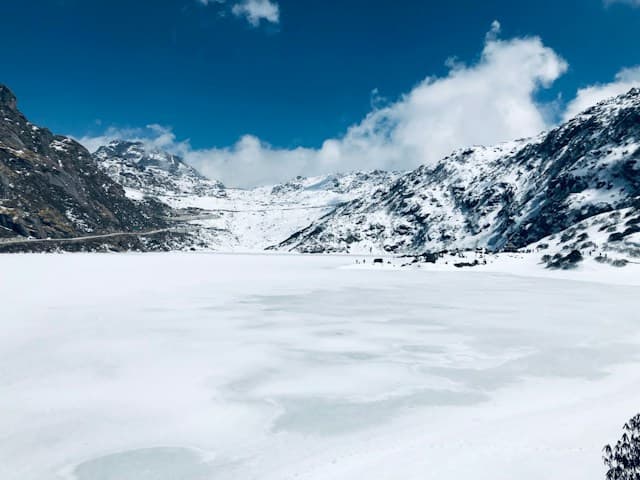
Sikkim’s weather changes sharply with altitude. In and around Gangtok, winter temperatures usually stay cool to cold, while places like Lachung, Lachen, Tsomgo Lake and Nathula can be far colder, especially early morning and after sunset. In December to February, many travellers experience single-digit temperatures in lower areas and sub-zero conditions in the higher reaches.
If you are planning a short trip, keep in mind that the climate in Sikkim is not just about low temperature. You may also face wind chill, fog, road ice in some stretches, and sudden changes in visibility. Even in October and November, evenings can feel much colder than expected, particularly if you are travelling from cities like Kolkata, Delhi, Mumbai or Bengaluru.
For most travellers, the safest approach is to pack for layered dressing rather than relying on one heavy jacket. This matters because you may move from a sunny afternoon in Gangtok to freezing wind at Tsomgo Lake within a few hours.
Choose the right clothing for layered warmth
Layering is the most reliable way to handle Sikkim’s cold weather. Start with a thermal inner layer, add a warm middle layer, and finish with a wind-resistant outer layer. This helps you regulate body temperature as you move between indoors, vehicles, open viewpoints and higher-altitude stops.
What to pack for your body
- 2-3 sets of thermal innerwear, preferably moisture-wicking
- 2-3 fleece or woollen mid-layers
- 1 heavy jacket or down jacket for high-altitude areas
- Woollen cap that covers the ears
- Neck warmer or muffler
- Gloves, preferably windproof
- Woollen socks, ideally 3-4 pairs
- Comfortable full-length trousers; avoid thin denim as your only option
For many travellers, a good jacket costs around ?2,500-?8,000, while thermal sets may range from ?800-?2,500 depending on quality. If you are not used to cold conditions, do not compromise on your outerwear. In Sikkim, a cheap jacket that looks warm in the city may not be enough at 12,000 feet.
Women travellers should also consider layering leggings under trousers, especially for early morning drives. If you are travelling with children or elderly family members, carry one extra warm layer for each person. It is better to have one spare than to search for winterwear in a remote market at the last minute.
Footwear and accessories matter more than you think
Cold weather in Sikkim can become uncomfortable if your feet are wet or chilled. Roads may have slush in some places during winter, and you may walk on damp surfaces near monasteries, markets, or parking points. Closed shoes with a good grip are much more useful than trendy sneakers with thin soles.
Best footwear choices
- Water-resistant trekking shoes or sturdy walking shoes
- Thick woollen socks, preferably with an extra pair in your day bag
- Slippers or indoor sandals for use inside your hotel room
- Small plastic bag to keep wet shoes separate during travel
Carry lip balm, moisturiser and sunscreen too. Sikkim’s mountain air can be dry, and even on cold days UV exposure can affect your skin. Sunglasses are also useful because snow glare can be strong if you visit areas where snowfall has covered the road or nearby slopes.
A small day pack with a water bottle, tissues, hand sanitizer, power bank and a snack can save time on long drives. Distances may not look very large on a map, but in Sikkim a journey of 40-60 km can take several hours due to mountain roads and permit checks.
Health preparation for cold weather and high altitude
Cold weather in Sikkim is often paired with altitude, and that combination needs respect. Gangtok is more manageable for most travellers, but routes to places like Tsomgo Lake, Nathula, Lachen and Lachung can be challenging for people who are sensitive to thin air or temperature drops. If you already have asthma, high blood pressure, heart conditions, or sinus issues, speak to your doctor before the trip.
To reduce discomfort, drink enough water even if you do not feel thirsty. Mountain weather can make you less aware of dehydration. Avoid alcohol on the first day at higher altitude, keep your meals light if you feel uneasy, and do not rush physical activity. If you feel headache, nausea, dizziness or unusual breathlessness, rest immediately and inform your driver or hotel staff.
Many travellers also carry basic medicines after consulting a doctor: fever tablets, motion sickness tablets, pain relief, ORS, and any regular prescription medicine in original packaging. Keep these in your cabin bag, not in checked luggage. In colder places, a simple blocked nose or dry throat can make you feel more exhausted than expected, so lozenges and saline nasal spray can be helpful.
Plan transport carefully in winter
Winter road conditions in Sikkim can vary from smooth to slow and unpredictable. Shared taxis and private cabs are commonly used, but travel times may increase because of fog, landslide-prone stretches in some routes, permit formalities, or temporary road closures due to snow. If your itinerary includes North Sikkim, keep at least one buffer day in hand.
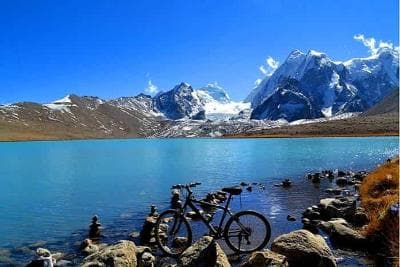
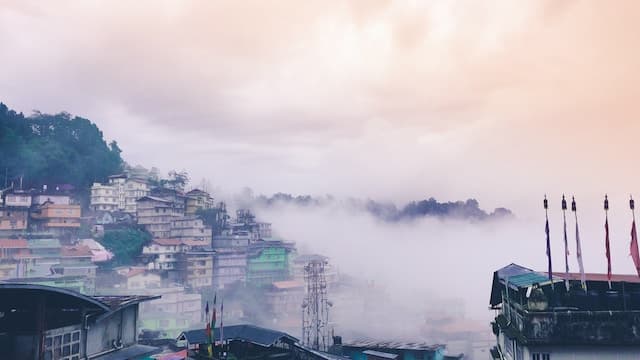
Gangtok works well as a base for most travellers because it has better access to hotels, medical help, restaurants and vehicle connections. From Gangtok, Tsomgo Lake is roughly 40 km away and may take 2-3 hours or more depending on weather and road conditions. Nathula is farther and requires permit clearance; it is not always open, so confirm locally before planning that leg.
For North Sikkim trips to Lachen, Lachung and Yumthang Valley, an overnight stay is usually needed. These routes can be long, and winter driving is slower. If you are booking a package, ask the operator about vehicle type, heating availability, and whether the itinerary includes flexible timing. A good driver familiar with Sikkim’s terrain is often more valuable than a rushed schedule.
Where to stay and what to ask your hotel
Accommodation quality in Sikkim varies widely between tourist hubs and remote villages. In winter, the most important questions are not about decoration but about heating, hot water and backup electricity. Even in comfortable hotels, power interruptions and water temperature changes can happen in mountain areas.
Before booking, ask these questions
- Do rooms have room heaters, electric blankets or central heating?
- Is hot water available throughout the day or only at fixed hours?
- Do you have a power backup?
- How far is the property from the main market or pickup point?
- Can you arrange extra blankets if needed?
Expect budget stays in places like Gangtok to start around ?1,500-?3,000 per night, mid-range hotels around ?3,500-?7,000, and better heated properties or premium stays to go above that depending on the season. In remote North Sikkim, prices can rise because logistics are more difficult. During peak winter holidays, book early and reconfirm everything before you travel.
If you are sensitive to cold, do not choose a very cheap homestay just because it looks charming in photos. In Sikkim, a warm room with reliable hot water is worth more than a scenic view you cannot enjoy because you are shivering.
Food, electricity and small comforts that make winter easier
Winter appetite can change at altitude, and many travellers feel more comfortable with warm, simple food. Sikkimese dishes like thukpa, momos, phagshapa and soup-based meals are ideal in cold weather. In Gangtok and other tourist towns, you will also find North Indian, Tibetan and simple vegetarian options.
Carry a few familiar snacks if you travel with children or elders. Dry fruits, energy bars, tea sachets, instant soup packets and digestive biscuits are useful on long drives. If you prefer specific tea, coffee, or instant oats, bring them from home because availability can be inconsistent in remote areas.
Electricity may not be steady in some places, so keep your phone and power bank charged whenever you can. A torch or small flashlight is also useful if the area around your hotel is dim after dark. In winter, evenings arrive early in the mountains, and even a short walk to dinner can feel much longer if the lane is poorly lit.
Suggested cold-weather packing checklist for Sikkim
If you want a quick packing reference, use this as your final check before leaving home. It is especially useful for a 5-7 day trip covering Gangtok and one higher-altitude destination.
| Category | What to carry |
|---|---|
| Clothing | Thermals, fleece layers, jacket, cap, gloves, socks, trousers |
| Footwear | Grip shoes, spare socks, slippers for hotel |
| Health | Regular medicines, motion sickness tablets, ORS, lozenges |
| Skin care | Moisturiser, lip balm, sunscreen, sunglasses |
| Travel essentials | ID proof, cash, power bank, torch, water bottle, snacks |
Also keep original ID proof handy, as permit-related checks may require it for some routes. For certain protected areas, Indian travellers may need permits arranged through authorised channels, and the rules can change based on weather or local restrictions. Always confirm with your hotel, travel operator or local authorities before the trip.
Best time to visit Sikkim in cold weather
If your main goal is to experience cold weather without extreme inconvenience, October to early December is often a comfortable window. You get crisp air, clear views on many days, and winter clothing becomes necessary without the harshest temperatures. January and February are colder, especially in North Sikkim and high-altitude passes, but they can also be beautiful if you are prepared.
Snowfall is never guaranteed, and it depends on the exact location and weather pattern. If snow is the reason for your trip, be flexible with dates and do not build your full itinerary around a single predicted day. Roads may close or plans may change, so patience is part of the experience.
Frequently Asked Questions
How cold does Sikkim get in winter?
It depends on where you go. Gangtok usually stays relatively manageable compared with higher-altitude areas, while places like Lachung, Lachen, Tsomgo Lake and Nathula can become freezing, especially at night and early morning. Always pack for colder conditions than you expect.
Is a regular jacket enough for Sikkim in December or January?
For most travellers, no. A regular city jacket may be fine for lower altitudes, but you will likely need thermal wear, a warm mid-layer and a proper winter jacket for high-altitude excursions. Windproof protection matters as much as thickness.
Should I book hotels with heaters in Sikkim?
Yes, especially if you are travelling in winter or with family. Ask about room heaters, hot water and electricity backup before confirming your stay. Some properties provide heaters for an extra charge, so clarify that in advance.
Can children and senior citizens travel to Sikkim in cold weather?
Yes, many do, but the itinerary should be slower and more comfortable. Keep hotel changes minimal, avoid overpacked sightseeing, and monitor how everyone reacts to altitude and cold. For high-altitude visits, it is wise to consult a doctor beforehand if there are any health concerns.
Do I need to carry cash in Sikkim?
Yes, keep some cash with you. While digital payments work in many towns, network issues and power interruptions can affect card or UPI payments in remote areas. Small shops, tea stalls and local drivers may also prefer cash.
What is the most important thing to remember for winter travel in Sikkim?
Be flexible. Weather, road access and permits can change quickly, so a relaxed mindset will help more than any single item in your suitcase. If you pack well, book smartly and leave room for delays, your trip will feel much easier.
Sikkim in cold weather is rewarding when you respect the mountain climate and prepare properly. Warm layers, sensible transport planning, and a little extra patience will help you enjoy the views, food and quiet winter atmosphere without unnecessary discomfort.
If you found this guide useful, share it with someone planning a Sikkim trip from North-East India or anywhere else in the country.
Planning a North-East trip?
Tell us your dates and who is travelling. Up to three local travel companies send you their itinerary and price.
Get free quotesDisclaimer: The information in this blog is for general information only. We try to keep it accurate and up to date, but TravelSetu accepts no liability for errors or omissions. If you believe any part of it infringes your rights, please write to info@travelsetu.com.