If you are planning a trip to Sikkim and need to stay reachable, work remotely, or travel with backup connectivity, this guide will help you make the right choice before you leave. Sikkim’s mountain terrain, remote valleys, and weather-related road delays can affect regular network coverage, so it pays to understand your satellite communication options along with mobile internet and offline backup plans.
This article is for Indian travellers, families, trekking groups, field teams, and anyone heading beyond the usual Gangtok circuit. You will get a clear picture of where normal networks work, when satellite communication becomes useful, what equipment to consider, and how to prepare for a smoother trip across the North-East.
Why communication planning matters in Sikkim
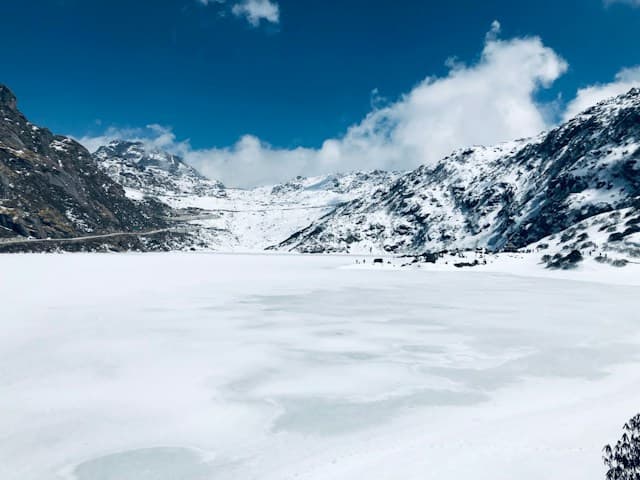
Sikkim is compact on the map, but the actual travel experience can feel very remote once you move away from Gangtok. Roads to places such as Lachung, Lachen, Yumthang, Zuluk, Nathang Valley, and some parts of South Sikkim can have patchy mobile coverage, especially during rain, snowfall, or landslides. Even in better-connected areas, data speeds may drop at busy times or when the weather turns bad.
For most leisure travellers, a good local SIM or an eSIM with data is enough for city stays and standard sightseeing. But if your itinerary includes trekking, border-area travel, photography expeditions, rescue support, survey work, or simply a need for reliable backup communication, satellite-based options deserve attention. In Sikkim, the key is not to depend on one system alone.
What satellite communication means for travellers
Satellite communication uses satellites instead of mobile towers, which makes it useful in places where terrestrial networks are weak or absent. For travellers, this can include satellite phones, satellite messengers, and in some cases portable satellite internet terminals. The right choice depends on how much you need to send, how often you need to connect, and how much you are willing to carry and spend.
For a holiday in Gangtok or Pelling, satellite gear may be unnecessary. For a multi-day trek, a work assignment in a remote village, or a monsoon-season road trip where you want an emergency backup, it can be worth the expense. Think of it as a safety layer rather than a replacement for your regular phone.
How mobile networks behave across Sikkim
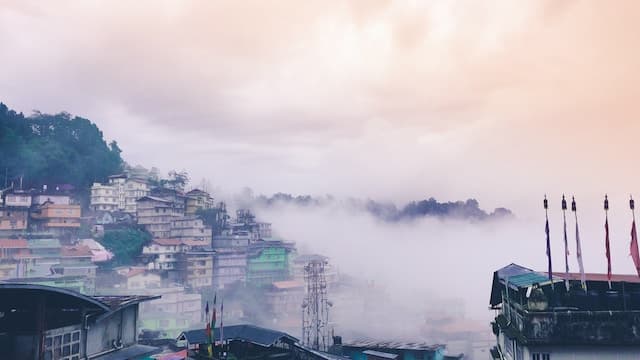
Before you look at satellite gear, it helps to understand the usual mobile situation. In Gangtok, Namchi, Mangan town, and some tourist hubs, normal voice and data services are generally available, though quality can vary by operator and location. Once you move into higher-altitude or rural stretches, service can become inconsistent. On mountain roads, you may get brief coverage in one village and none for the next few kilometres.
In practical terms, you should expect:
- Good to moderate coverage in major towns and markets.
- Patchy coverage on roads to North Sikkim and in remote valleys.
- Frequent fluctuations during rain, snowfall, fog, or landslides.
- Better results when you keep two options ready, such as a local SIM and an offline map app.
If your trip is limited to Gangtok, Ravangla, Namchi, and Pelling, satellite devices are usually overkill. If you are going further into less-served terrain, they become much more relevant.
Satellite communication options you can consider
1. Satellite phone
A satellite phone is the most direct solution for voice calls and basic text messaging when there is no mobile network at all. It is useful for expedition teams, safety officers, and travellers going to remote areas where emergency contact matters more than internet access. The device itself is usually costly, and usage charges are significantly higher than normal phone plans.
For short leisure travel, renting one may make more sense than buying. Rental costs can vary widely, but a realistic starting range is often around ?1,500-?4,000 per day, plus usage charges and a security deposit. Confirm availability, policy, and service area before you book, because providers may have conditions based on destination and usage type.
2. Satellite messenger
A satellite messenger is often the most practical option for trekkers and adventure travellers. Instead of making full voice calls, it allows you to send preset messages, short texts, SOS alerts, and location updates. This can be enough for checking in with family or a trip coordinator when you are beyond regular network reach.
Many travellers prefer this route because the devices are smaller, lighter, and simpler than a satellite phone. Monthly service plans vary, and some devices can be rented for a trip. If you are trekking in areas around Goechala, Dzongri, or remote trails near North Sikkim, this is often more sensible than carrying a heavy communication setup.
3. Portable satellite internet terminal
Portable satellite internet is the most advanced and usually the most expensive option. It can provide data connectivity in remote areas, but it also needs power, clear sky visibility, and careful setup. For most holidaymakers, this is unnecessary. For journalists, researchers, film crews, disaster-response teams, and remote work assignments, it may be valuable.
Costs can run much higher than consumer internet. Depending on rental, bandwidth, and hardware, you may be looking at several thousand rupees per day or more. In practical terms, this is a specialised solution, not a general travel accessory.
4. Local SIM, eSIM, and offline backup
For many visitors, the smartest plan is a strong non-satellite backup. A local Indian SIM, if your phone supports it and your provider has usable coverage, may work well in towns. An eSIM with a data package can be handy if your device supports it, especially for digital boarding passes, map access, and messaging where coverage exists.
Pair this with offline navigation, downloaded hotel details, paper copies of booking confirmations, and a power bank. In Sikkim, preparedness often matters more than raw technology.
Where satellite gear is most useful in Sikkim
Satellite communication is most useful in places where road access is uncertain and towers are far apart. In Sikkim, that usually means high-altitude or sparsely populated stretches, particularly if your plan involves moving beyond the main tourist towns.
It becomes especially relevant if you are going to:
- North Sikkim routes such as Lachung, Lachen, Yumthang, and nearby valleys
- High passes or border-facing areas where coverage may fade quickly
- Trekking circuits where you may spend hours or days away from dependable network access
- Remote homestays or field sites where power and data may also be limited
- Monsoon-season road trips where landslides can disrupt both roads and mobile signals
If you are staying mainly in Gangtok, Pelling, Namchi, or Ravangla and returning to your hotel each evening, a satellite device may stay in your bag most of the trip. But if you are heading into long stretches of uncertain coverage, it can be reassuring insurance.
How to choose the right option for your trip
| Need | Best option | Indicative cost | Good for |
|---|---|---|---|
| Simple calls and texts in remote areas | Satellite phone | High rental or purchase cost | Emergency contact, expedition use |
| Check-ins and SOS without full voice calls | Satellite messenger | Moderate rental or subscription cost | Trekking, solo travel, safety backup |
| Internet in very remote terrain | Portable satellite internet | Very high | Research, media, field work |
| Normal sightseeing with some backup | Local SIM + eSIM + offline tools | Low to moderate | Most tourists |
As a rule, choose the least complicated option that meets your real need. A family on a week-long holiday does not need the same setup as a trek leader taking a group above the last mobile tower.
Practical tips before you travel
Start by confirming what your itinerary actually involves. A Gangtok-to-Pelling holiday is very different from a North Sikkim road trip or a remote trek. Then match your communication plan to that route. If you are hiring satellite equipment, test it before departure, read the battery instructions, and understand how to send an emergency alert.
Keep these basics in mind:
- Carry a power bank with enough capacity for at least one full day of phone use.
- Download offline maps for Sikkim and keep hotel names written down.
- Save important numbers for your driver, hotel, local contact, and tour operator.
- Carry physical copies of permits, IDs, and bookings where relevant.
- Inform family about likely no-network windows on your route.
Remember that satellite devices also need care. Batteries drain faster in cold weather, so keep them warm and charged. In rainy or windy conditions, signal acquisition may take longer. And in mountain terrain, a clear view of the sky often matters more than people expect.
Regulations and permissions you should check
Before travelling with any satellite communication device, confirm the current rules with your rental provider, telecom operator, and local authorities if needed. Rules can change, and some equipment may be restricted or require prior approval depending on where you are going and how you plan to use it. This is especially important in border-sensitive zones and for non-standard communication equipment.
If you are part of a guided tour or trek, ask the operator whether they already carry approved communication devices. In many cases, that is simpler than bringing your own. Do not assume that a device allowed in one part of India will automatically be fine everywhere in Sikkim.
Budgeting for communication in Sikkim
For most tourists, communication costs stay low if you rely on a normal SIM, an eSIM, and offline tools. Expect a local data pack or roaming-friendly plan to cost much less than satellite equipment. A simple travel communication budget may range from ?500-?2,000 for a short trip if you are mostly using mobile data and backup apps.
If you add a rented satellite messenger or satellite phone, your budget can jump to several thousand rupees more, depending on rental duration and service type. For serious expeditions or field assignments, that expense is justified by the reliability gain. For a standard holiday, it usually is not.
Frequently Asked Questions
Do I need satellite communication for a normal Sikkim holiday?
Usually, no. If your trip is limited to towns like Gangtok, Pelling, Namchi, or Ravangla, a regular SIM, eSIM, and offline maps are generally enough. Satellite options become useful when you are going into remote valleys, trekking routes, or areas with frequent signal loss.
Is mobile network coverage good in North Sikkim?
Coverage is often inconsistent outside the main town areas. You may find usable signal in some places and none in others, especially on long road stretches and in higher-altitude zones. Treat mobile connectivity as unreliable and plan backup communication accordingly.
Which is better for trekkers: a satellite phone or a satellite messenger?
For most trekkers, a satellite messenger is the more practical choice because it is lighter, simpler, and usually cheaper to use. A satellite phone is better if you need actual voice calls or more direct communication. If you are going with a professional group, the trek operator may already provide a suitable device.
Can I buy or rent satellite devices in India before going to Sikkim?
Yes, rental and purchase options may be available through specialist providers in India, though availability changes and not every provider serves every destination. Always confirm the latest terms, operating area, deposit amount, and legal requirements before paying. Testing the device before your trip is a smart move.
Will satellite internet work anywhere in Sikkim?
Not automatically. It still needs power, clear sky access, and the right setup, and terrain can affect usability. It is best suited to professional or expedition use rather than casual travel.
What is the safest communication plan for a road trip in Sikkim?
Use a combination of local mobile data, offline maps, a fully charged power bank, and at least one backup contact method. If your route is remote, add a satellite messenger or satellite phone. Share your daily plan with someone before you head out, especially during monsoon or winter travel.
Sikkim rewards travellers who prepare well. If you understand where the signal fades and choose the right mix of mobile and satellite backup, you can travel with far less stress and much better peace of mind.
If this guide helped you plan your North-East trip more confidently, share the post with fellow travellers who are heading to Sikkim.
Planning a North-East trip?
Tell us your dates and who is travelling. Up to three local travel companies send you their itinerary and price.
Get free quotesDisclaimer: The information in this blog is for general information only. We try to keep it accurate and up to date, but TravelSetu accepts no liability for errors or omissions. If you believe any part of it infringes your rights, please write to info@travelsetu.com.