If you are planning a Sikkim trip and want more than monasteries and mountain views, this guide is for you. Sikkim’s military heritage is part of everyday life here, from cantonment zones around Gangtok to the high-altitude posts near Nathula, and it gives the state a very different travel character. By the end of this article, you will know where to experience that history respectfully, how to plan around permits and road conditions, and what kind of trip suits this theme best.
Why Sikkim’s military heritage stands out
Sikkim’s geography has always made it strategically important. It shares an international border with China, and its mountain roads, passes and outposts have long required a strong army presence. For travellers, this means you do not just see scenic hills and Buddhist culture here; you also get a close look at India’s frontier discipline, high-altitude logistics and memorial spaces that honour service and sacrifice.
The military footprint is visible in many ways. You may pass organised cantonment-style zones, see convoys on mountain roads, notice strict security checks near border roads, and visit memorials or museums that tell stories of the Himalayas in wartime and peacekeeping. This is a sensitive region, so the best way to explore it is with patience, respect and realistic expectations.
Understanding the cantonment experience in Sikkim
Strictly speaking, you will not be wandering freely through large open cantonments like a public park. In Sikkim, military heritage is usually experienced through a mix of accessible sites, road-side memorials, army-run viewpoints, and the broader atmosphere of a border state. The most common base for such a trip is Gangtok, from where you can plan excursions toward Tsomgo Lake, Nathula Pass and nearby heritage points.
The key thing to remember is that some areas may be restricted or require special permits. Even when a place is open to tourists, photography rules can be strict, and road access may depend on weather, landslides, army movement and local administration orders. Always confirm with your hotel, driver, or a local tour operator before setting out.
Key places linked to Sikkim’s military history
Gangtok and its strategic setting
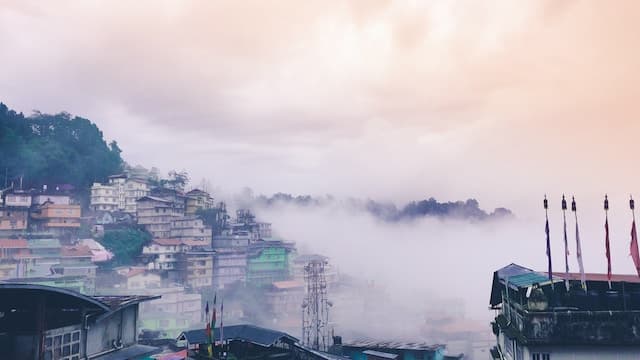
Gangtok is the easiest place to start. It is not a cantonment in the classic sense, but the city’s position on a ridge makes it a natural military and administrative hub. From here, you can understand how the army operates in a mountain state where roads twist through steep slopes and visibility changes quickly with the weather. A slow drive through the outskirts of Gangtok often gives you a sense of the discipline and order that border regions demand.
Nathula Pass
Nathula is one of the most talked-about frontier points in Sikkim, and for good reason. It lies around 56 km from Gangtok, and the drive usually takes 2.5 to 4 hours one way, depending on road conditions and stops. The road itself is an experience: checkpoints, controlled movement, and the stark beauty of high-altitude terrain all come together here. Because this is a sensitive border area, entry rules are regulated and can change; carry valid ID, and book through authorised channels only.
Tsomgo Lake route and army presence
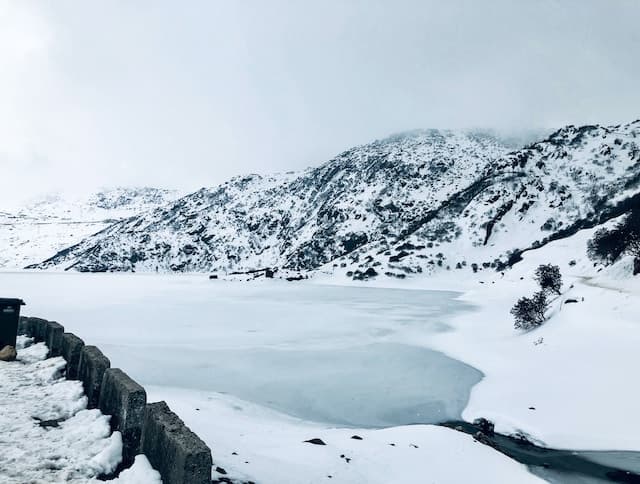
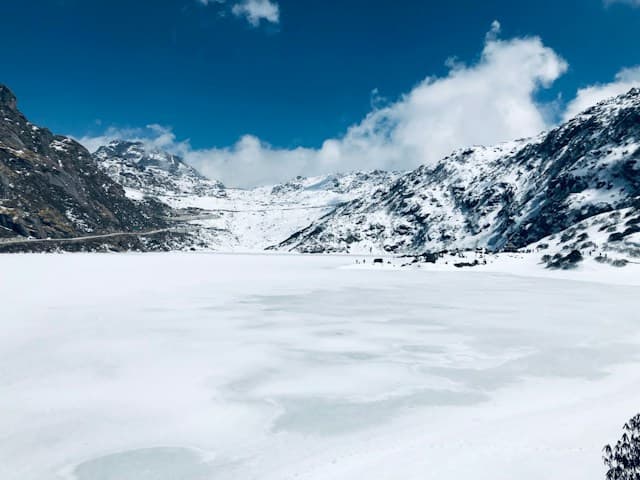
The route to Tsomgo Lake, about 40 km from Gangtok, is another place where you will notice the military dimension of Sikkim. The road passes through steep terrain where weather can turn quickly, and army presence is part of the landscape. While the lake itself is the main attraction, the journey gives you a practical lesson in how border infrastructure works in the Himalayas. If you continue toward Nathula from this route, the security presence becomes even more apparent.
Baba Harbhajan Singh Mandir
This shrine is one of the most well-known military heritage-related stops in Sikkim. Located on the route toward Nathula, it is associated with the story of Baba Harbhajan Singh, a soldier remembered with deep respect by locals and pilgrims alike. Travellers often stop here en route to higher-altitude points. It is best to approach the site with sensitivity, as it is not just a tourist stop but a place of devotion and military remembrance.
War memorials and remembrance spaces in Gangtok
Gangtok has memorial spaces that honour soldiers and their contribution to the region. These sites are usually quieter than the sightseeing spots and are best visited with time to read the plaques and understand the context. If you are interested in military history, ask your driver or local guide about the most current memorials open to visitors, as public access can vary.
What you will actually see on a heritage-focused trip
A military heritage trip in Sikkim is less about formal museums and more about the lived reality of a frontier state. You will see army convoys on narrow roads, guarded checkpoints, roadside signboards about altitude and movement, and carefully maintained camps and support infrastructure. At higher elevations, you may notice how the army manages logistics in cold conditions that would challenge any city-based system.
For many travellers, the most impressive part is the contrast. One moment you are in a bustling market lane in Gangtok buying tea and snacks, and the next you are on a high mountain road where the army’s presence is visible in every safety protocol and every road repair. That contrast is what makes Sikkim’s military story so memorable.
Best time to plan this trip
The most comfortable months for a Sikkim military heritage circuit are usually March to May and October to mid-December. In these periods, roads are more likely to remain open, skies are clearer, and high-altitude stops are more manageable. Spring brings rhododendrons in lower and mid-altitude areas, while autumn and early winter offer sharper mountain views.
June to September can bring heavy rain, landslides and delays. January and February can be excellent for clear views on certain days, but snow and freezing temperatures may disrupt access to border roads and high passes. Since permissions, traffic movement and weather are all tied together in Sikkim, always check local conditions a day before travel.
How to plan your route and stay
For a focused trip, keep at least 3-5 days in hand. Two days are enough only if you want a quick look at Gangtok and one border excursion. A better plan is to spend 2 nights in Gangtok, then dedicate a full day to Tsomgo Lake and Nathula, with a second day for local memorials, monasteries and viewpoints that help you understand the region better.
Gangtok is the best base for most travellers. Budget hotels usually start around ?1,500-?3,000 per night, while good mid-range stays are often in the ?3,500-?7,000 range. If you want a quieter experience with valley views, rates may go higher in peak season. Book early for April-May and October-November.
Sample 4-day plan
- Day 1: Arrive in Gangtok, rest, explore MG Marg and nearby viewpoints.
- Day 2: Gangtok local heritage, memorials, and army-influenced viewpoints if available.
- Day 3: Tsomgo Lake, Baba Harbhajan Singh Mandir, and Nathula if permits are approved.
- Day 4: Buffer day for weather delays, or a monastery and local culture circuit.
Permits, transport and practical costs
For border areas in Sikkim, permits are important. Indian travellers usually need valid government ID, and some points require special permits arranged through authorised operators or hotels. Nathula and certain other restricted zones can have daily caps, time windows or closure days. Foreign nationals face tighter restrictions and may not be allowed into all border areas, so confirm current rules well before travel.
Cab travel from Gangtok to Tsomgo and Nathula is usually arranged as a package. Indicative costs can range from ?4,000-?7,000 for a shared or private day vehicle depending on the season, route and inclusions. If you add permits, guide services and stopovers, the price may go up. Prices change often, so confirm before booking.
Food is generally easy to manage in Gangtok. Simple meals at local cafés or dhabas may cost ?250-?500 per person, while a more comfortable meal can go higher. Carry cash for small purchases, though digital payments are common in town.
Respectful travel tips for military heritage sites
Because this is a sensitive region, etiquette matters. Dress modestly, follow instructions at checkpoints, and do not try to enter restricted zones or photograph security installations. Avoid asking personnel intrusive questions. If a place has a photography restriction, treat it seriously; rules are there for operational safety, not to inconvenience tourists.
At memorials or shrines linked to soldiers, keep your tone quiet and respectful. Do not litter, do not climb on barriers, and give priority to local visitors who may be coming for prayer or remembrance. If you are travelling with children, explain that border areas are not ordinary tourist stops and that discipline is part of what keeps the mountains safe.
Frequently Asked Questions
Is Sikkim Cantonment open for regular tourist visits?
Not in the way a public attraction would be. In Sikkim, you usually experience military heritage through accessible memorials, border-road journeys and selected sites near Gangtok and Nathula. Some areas remain restricted, so access depends on current rules and security conditions.
Do I need a permit for Nathula Pass?
Yes, Indian travellers generally need a permit for Nathula and other restricted border areas. The permit is often arranged through authorised tour operators, hotels or local channels, and you should carry original ID documents. Rules can change, so check the latest requirements before you travel.
Can I visit Tsomgo Lake and Nathula on the same day?
Yes, many travellers do both in one day from Gangtok. The route is usually planned as a combined excursion, but weather or permit issues can change the schedule. Start early and keep your plans flexible.
What is the best season for military heritage travel in Sikkim?
March to May and October to mid-December are usually the best windows. Roads are more reliable and visibility is better, which matters a lot in high-altitude border areas. Still, mountain weather can change quickly, so always check local updates.
Are there museums dedicated to the Indian Army in Sikkim?
Sikkim is better known for memorials, frontier routes and places of remembrance than for large military museums. You may find smaller exhibits or locally maintained remembrance spaces in and around Gangtok, but availability can vary. Ask locally for the most current visitor-accessible sites.
How many days should I keep for this kind of trip?
Keep at least 3 days if you want a meaningful experience, and 4-5 days if you also want buffer time for weather and permits. A longer stay lets you combine military heritage with monasteries, local food and viewpoint visits. In Sikkim, a rushed trip often means missing the point.
Conclusion
Sikkim’s cantonment culture and military heritage give the state a strong, distinct identity beyond its scenic reputation. If you travel with patience, follow the rules and choose the right season, you will come back with a deeper understanding of how life works in India’s high Himalayas. Plan well, keep your itinerary flexible, and let the mountains show you both their beauty and their discipline.
If this guide helped you, share the post with fellow travellers planning a North-East trip.
Planning a North-East trip?
Tell us your dates and who is travelling. Up to three local travel companies send you their itinerary and price.
Get free quotesDisclaimer: The information in this blog is for general information only. We try to keep it accurate and up to date, but TravelSetu accepts no liability for errors or omissions. If you believe any part of it infringes your rights, please write to info@travelsetu.com.