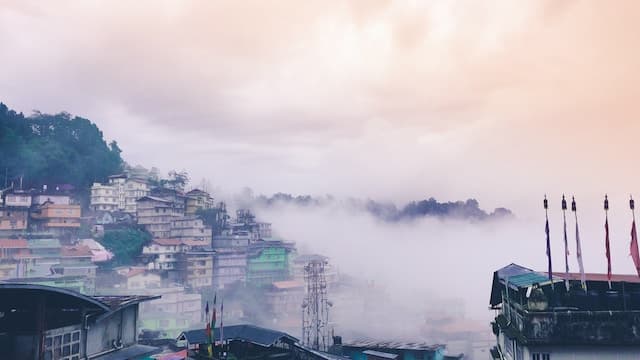
If you are planning a photography trip to Sikkim, your camera bag needs to be as thoughtful as your itinerary. The mountains, monasteries, lakes, and changing weather here can test both your gear and your patience, so this guide is for you if you want to travel lighter, shoot smarter, and come home with usable images instead of blurry memories.
This post will help you choose the right camera gear for Sikkim’s mountain conditions, understand what works best in places like Gangtok, Tsomgo Lake, Lachen, Lachung, Pelling, and Yumthang Valley, and pack in a way that suits Indian travellers on a real-world trip.
Why Sikkim Demands Different Camera Gear
Sikkim is not a place where you can carry a random camera body and a single lens and expect everything to work. You may start your morning in sunny Gangtok, drive into fog near Tsomgo Lake, and end the day in cold rain or snow at higher altitudes. In practical terms, that means your gear should handle low light, dust, moisture, and battery drain.
The other thing to remember is altitude. In north Sikkim especially, temperatures can drop fast, and batteries lose charge quicker than they do in plains cities. Even if your trip is just 4-6 days long, the conditions can change enough to make a good camera setup feel inadequate if you are not prepared.
The Camera Body: What Works Best in Sikkim
DSLR, mirrorless, or phone?
A modern mirrorless camera is the most convenient choice for most travellers because it is lighter than a DSLR and easier to carry during long sightseeing days. If you already own a DSLR, do not feel pressured to replace it just for this trip. A reliable DSLR with a weather-sealed body and a decent lens can still produce excellent mountain images.
Your phone will be useful for quick travel shots, food, and casual frames in Gangtok or Pelling. But for mist, snow, sunrise scenes, and compression shots of mountain ridges, a dedicated camera usually gives you more flexibility and better low-light results.
What features matter most
For Sikkim, prioritize a camera with good low-light performance, fast autofocus, and decent dynamic range. If your body has in-body stabilisation, that helps when you are handholding in dim monasteries or shooting from a moving car. Weather sealing is a bonus, not a requirement, but it helps when you are shooting in drizzle or wind-blown mist.
Best Lenses for Sikkim Mountains
You do not need to bring your entire lens collection. In fact, carrying too much gear can become a burden on steep roads, long walks, and hotel staircases. A two-lens setup is enough for most travellers.
| Lens type | Best use in Sikkim | Why it helps |
|---|---|---|
| Wide-angle zoom | Valleys, monasteries, lakes, village scenes | Great for open landscapes and interiors |
| Standard zoom | All-purpose travel shooting | Flexible and easy to carry |
| Telephoto zoom | Mountain layers, distant peaks, wildlife, candid portraits | Compresses the landscape beautifully |
| Fast prime | Monasteries, portraits, night scenes | Useful in low light and for subject separation |
If you carry only one lens, a 24-70mm equivalent or 18-55mm kit lens can handle most day trips. If you can take two, pair a standard zoom with a telephoto such as 70-200mm equivalent. That second lens is especially valuable in Sikkim because many of the best mountain views are distant, and the telephoto compression makes layered ridges look dramatic.
For scenery around Gangtok, Namchi, Pelling, and Ravangla, a wide-angle lens is useful for monasteries and sweeping viewpoints. For north Sikkim, especially around Lachung and Yumthang Valley, a telephoto lens can pick out snow lines, waterfalls, and distant slopes that a wide lens would flatten.
Must-Pack Accessories for Mountain Travel
The right accessories often matter more than an extra lens. In Sikkim, a few small items can save a whole day of shooting.
- Extra batteries: Carry at least 2-3 spare batteries. Cold weather drains them fast, especially above 8,000 feet.
- Fast memory cards: Bring two or more reliable cards rather than one large card, so a card issue does not ruin the whole trip.
- Rain cover or shower cap: A simple rain sleeve protects your camera in mist, drizzle, or snow flurries.
- Microfiber cloths: Pack 2-3 cloths for wiping lens fog, rain droplets, and condensation.
- Lens cleaning blower: Helpful for dust on roads to Pelling, Ravangla, and remote north Sikkim routes.
- Compact tripod: Good for sunrise, monastery interiors, and night shots in clear weather.
- Power bank and charger: Useful for phones, action cameras, and some camera batteries if your hotel has limited charging points.
A tripod is worth carrying only if you know you will use it. For most travellers, a lightweight tripod or travel tripod is enough. Large and heavy tripods are awkward on narrow roads and unnecessary unless you are seriously planning long exposures or astro photography.
Weather and Cold-Protection for Your Gear
Sikkim’s weather can change quickly, so your bag should not be left open or loosely packed. Use a backpack with a padded camera insert or dividers, and keep your gear in separate pouches so you can grab items quickly without exposing everything to moisture.
When you move from a cold outdoor location to a warm hotel room, condensation can form on the lens and inside the camera. The simple fix is to keep your camera in a closed bag for 20-30 minutes before opening it indoors. That gives the gear time to adjust gradually. This small habit matters a lot in places like Lachen, Lachung, and higher-altitude viewpoints near Tsomgo Lake.
Carry silica gel packets in your camera bag. They cost very little and help manage moisture over a multi-day trip. If you are travelling during monsoon months, usually June to September, add an extra rain cover and expect more frequent wiping and lens checks.
What to Carry for Different Sikkim Itineraries
Gangtok and nearby day trips
If your trip is mostly Gangtok-based with day drives to Rumtek Monastery, Tashi View Point, or Tsomgo Lake, a standard zoom and a compact telephoto are enough for most scenes. You will encounter city streets, viewpoints, monasteries, and road travel, so keep your kit lean and easy to access.
Pelling, Ravangla, and South Sikkim
For Pelling and Ravangla, think of layered landscapes, monastery architecture, and sunrise light. A wide-angle lens helps with Pemayangtse Monastery and views toward Kanchenjunga, while a telephoto is good for ridgelines and distant peaks. If you enjoy golden-hour photography, bring a tripod and a spare battery.
Lachen, Lachung, Yumthang, and north Sikkim
This is where your gear needs the most care. Roads can be rough, temperatures lower, and your shooting windows more weather-dependent. Keep your camera accessible in a small daypack rather than buried under clothes. A telephoto lens, extra batteries, rain cover, and lens cloths are especially important here because conditions can shift from clear to foggy in a short stretch of driving.
Drone, Filters, and Other Extras
Drones sound tempting in Sikkim because the valleys and ridges look stunning from above. However, drone rules, local restrictions, and permit requirements can vary by area and can change without much notice. If you plan to bring one, confirm the latest permissions before travel and do not assume every scenic point will allow flying.
As for filters, a circular polariser can help reduce glare on wet roads and boost contrast in the sky when conditions are right. A basic ND filter may be useful if you want to shoot waterfalls or longer exposures, but most travellers can skip it. If you do not already use filters regularly, do not add them just for this trip.
An action camera can be handy if you want road-trip clips from the drive through hairpin bends or short walking shots in villages. Just make sure you have enough storage and a mounting option that is secure and legal where you use it.
Packing Checklist for Sikkim Camera Gear
If you want a simple checklist, this is a practical one for a 5-7 day trip:
- Camera body
- 2 lenses maximum, ideally one standard zoom and one telephoto or wide-angle
- 2-3 spare batteries
- 2 memory cards or more
- Rain cover
- Microfiber cloths
- Lens blower
- Compact tripod
- Power bank and charger
- Silica gel packets
- Small backpack with padded insert
Keep your most-used items in the top section of the bag. You should not need to unpack the entire kit every time you stop at a viewpoint. Mountain photography is often about catching a brief opening in the clouds, so speed matters.
Practical Shooting Tips for Sikkim
Start early. Mountain light changes quickly, and the clearest views are usually around sunrise or soon after. By late morning, clouds can roll in and hide the peaks, especially in monsoon and post-monsoon months.
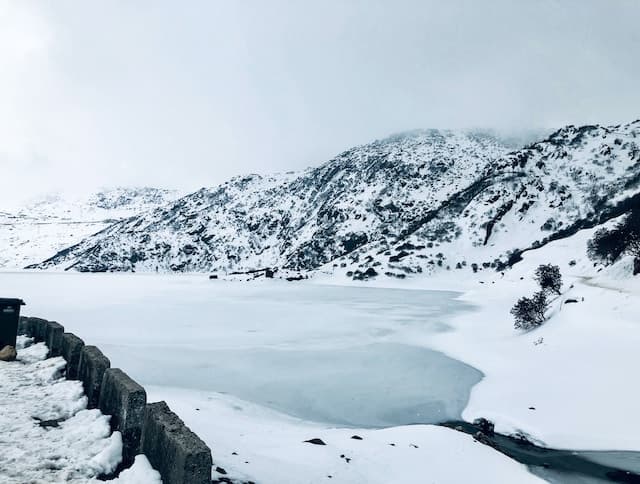
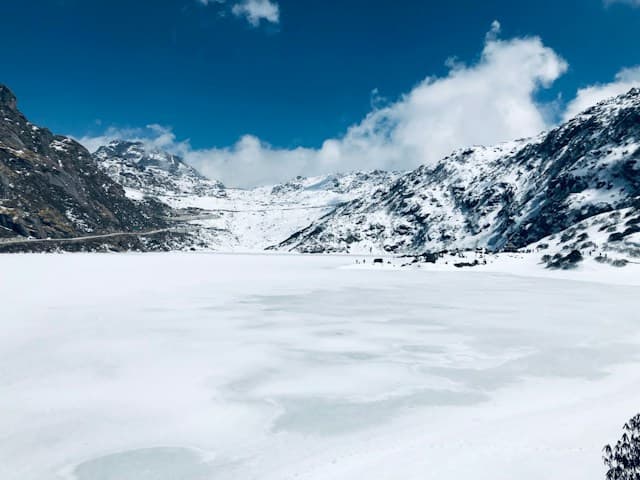
Expose carefully for snow and bright skies. If you are shooting at high altitude or in snow near Tsomgo Lake or north Sikkim, your camera may underexpose the scene because of all the white. Slight positive exposure compensation often helps, but check the histogram if your camera has one.
Use burst mode for moving clouds, prayer flags, and road scenes when the vehicle is in motion. On windy viewpoints, brace yourself or lean against a stable surface before shooting. Even a small shake becomes obvious when you zoom in on mountain layers.
Finally, keep your kit ready for short walks. Some of the nicest frames in Sikkim come when you stop for five minutes near a roadside bend, monastery courtyard, or tea stall. A camera that is easy to access will get used far more than one packed away too securely.
Frequently Asked Questions
What camera is best for Sikkim mountains?
A lightweight mirrorless camera or a weather-sealed DSLR works well for most travellers. The best camera is the one that handles low light, is not too heavy, and lets you change lenses or zoom quickly. If you are travelling mainly as a tourist, a good phone plus a compact camera can also be enough.
How many lenses should I carry to Sikkim?
For most trips, one or two lenses are enough. A standard zoom and a telephoto cover the widest range of scenes without making your bag too heavy. If you love wide landscapes, swap the telephoto for a wide-angle lens, but avoid overpacking.
Do I need a tripod in Sikkim?
Not always, but it helps if you plan sunrise, interiors, or night photography. A lightweight travel tripod is better than a bulky one because road travel and short hikes can make heavy gear feel tiring. If you only shoot casually, you can skip it.
How do I protect my camera from cold and moisture?
Use a rain cover, keep silica gel in your bag, and avoid opening your camera immediately when you return to a warm room. Let the gear adjust slowly to reduce condensation. Wiping the lens often also helps, especially in misty weather.
Are drones allowed in Sikkim?
Drone use depends on local rules and the specific area you are visiting, and permissions can change. Some sensitive or restricted zones may not allow flying at all. Confirm the latest regulations before carrying one, and do not assume scenic locations will permit drone shots.
What is the best season for photography in Sikkim?
October to December usually offers clearer skies and crisp mountain views, while March to May brings fresh greenery and rhododendron colour in many areas. June to September is wetter and cloudier, but it can still be rewarding if you enjoy dramatic mist and rain scenes. Always check weather conditions close to your travel date.
Conclusion
For a Sikkim trip, good camera gear is not about carrying more equipment. It is about carrying the right pieces for mountain weather, long drives, and changing light, so you can stay ready without feeling overloaded. If you pack smart, protect your gear from moisture, and keep your setup flexible, you will be in a strong position to capture Sikkim the way it feels on the ground.
If this guide helped you plan your mountain photography kit, please share the post with fellow travellers who are heading to North-East India.
Planning a North-East trip?
Tell us your dates and who is travelling. Up to three local travel companies send you their itinerary and price.
Get free quotesDisclaimer: The information in this blog is for general information only. We try to keep it accurate and up to date, but TravelSetu accepts no liability for errors or omissions. If you believe any part of it infringes your rights, please write to info@travelsetu.com.