If you are planning a trip to Sikkim, a little health preparation goes a long way. The state is beautiful, but its changing weather, high altitude, long road journeys and seasonal outbreaks can catch travellers off guard, especially if you are coming from the plains of India.
This guide is for you if you want to enjoy Gangtok, Pelling, Lachung, Lachen, Ravangla, Tsomgo Lake or Nathula without losing days to fever, stomach upset, cough, altitude issues or dehydration. You will find practical Sikkim seasonal illness precautions, what to pack, when to be extra careful and how to respond if you feel unwell on the road.
Why seasonal illness precautions matter in Sikkim
Sikkim’s climate changes sharply with altitude and season. Gangtok can feel cool and moist, while places like Lachen, Lachung and Nathula are colder, windier and thinner in air. In monsoon months, road travel can be tiring and damp clothes can keep you cold for hours. In winter, the dry air and low temperatures often trigger cough, sore throat and joint pain, especially for children and older travellers.
The other challenge is that many sightseeing days involve long drives, steep roads and limited access to large medical facilities. A small problem in Gangtok is manageable. The same issue on a road to North Sikkim can become stressful if you are underprepared. That is why basic prevention is not optional; it is part of smart travel planning.
Common seasonal health problems in Sikkim
Winter: cough, cold and altitude discomfort
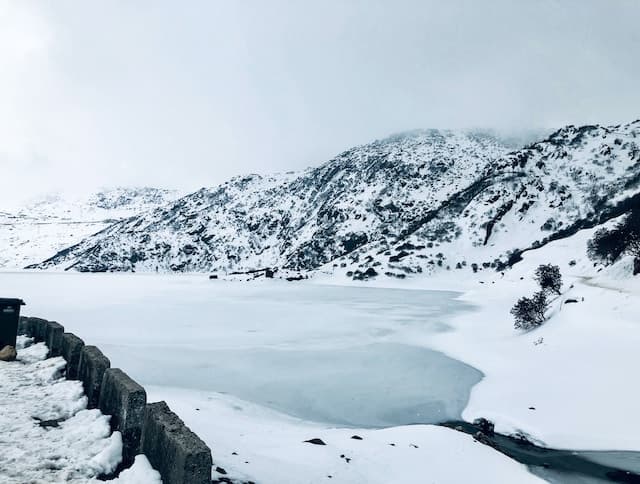
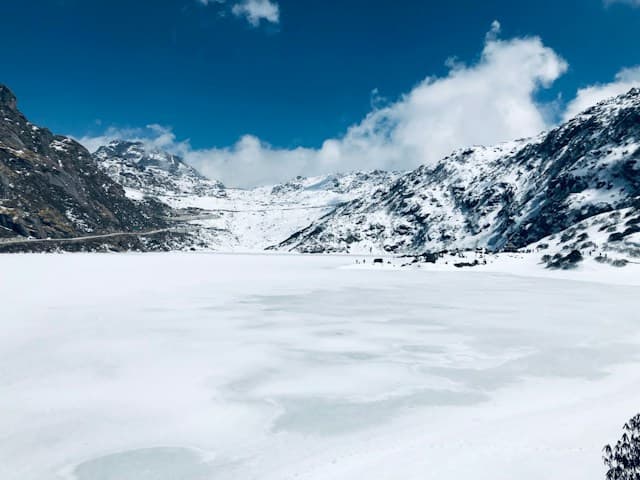
From November to February, Sikkim can get sharply cold, especially at higher elevations. Travellers often develop dry throat, blocked nose, mild fever and body ache after long drives in open weather. If you are heading to Tsomgo Lake, Nathula, Lachen or Lachung, the combination of altitude and cold wind can also cause headache, fatigue and shortness of breath.
Monsoon: stomach infection, slippery-road fatigue and fungal issues
June to September brings rain, dampness and travel delays. The risk of contaminated food, upset stomach and loose motions rises if you eat from unreliable stops or drink untreated water. Constantly wet shoes and socks can also cause fungal infections, especially if you walk around in damp footwear for long hours.
Spring and autumn: pollen, dust and travel strain
March to May and October to early November are popular for sightseeing, but they come with their own triggers. Dust on long roads, sun exposure, dehydration and rapid changes in temperature can leave you feeling drained. If you have sinus issues or mild asthma, the dry mountain air and vehicle dust can make symptoms worse.
Before you travel: what to check and pack
The best Sikkim seasonal illness precautions begin before you leave home. If you are prone to asthma, diabetes, hypertension, motion sickness, migraines or acidity, speak to your doctor a few days before the trip. Carry your regular medicines in original strips, not loose tablets, and keep them in your hand baggage if you are flying.
A simple medical kit is enough for most travellers. Keep it light, but do not skip the essentials.
- Prescribed regular medicines for the full trip plus 2-3 extra days
- Paracetamol or another fever/pain medicine you usually take
- Medicine for acidity or indigestion, if you are sensitive to travel food
- Motion-sickness tablets if you get queasy on hilly roads
- ORS packets for dehydration or loose motions
- Hand sanitiser, tissues and a small pack of wet wipes
- Warm socks, gloves, cap and a windproof jacket
- Basic antiseptic cream, band-aids and a thermometer
If you are travelling with children or elderly family members, add a pulse oximeter if you already own one. It is not mandatory, but it can be reassuring in high-altitude areas. Keep in mind that medicines and brands available in the market change, so confirm suitability with a doctor or pharmacist before you buy.
Food and water safety in Sikkim
Food is a major part of the travel experience in Gangtok, Pelling and Namchi, but careless eating can ruin a short trip quickly. Stick to well-cooked meals from clean, busy places. Fresh momos, thukpa and rice thali are usually safe when the outlet is hygienic and turnover is high. Avoid raw salads, half-cooked meat and street snacks that sit exposed for long hours.
Water matters even more. Drink sealed bottled water or water that has been boiled and cooled properly. If you are trekking, going on long drives or spending time around Tsomgo Lake or the North Sikkim route, sip water regularly instead of waiting until you feel thirsty. Dehydration makes altitude symptoms worse.
Alcohol can hit harder at high altitude, and it also worsens dehydration. If you want to drink, keep it modest and avoid mixing it with a very long, exhausting travel day. The same goes for heavy fried meals late at night; they can trigger acidity and poor sleep.
Altitude, weather and motion sickness: the three biggest trip spoilers
How to handle altitude changes
Many first-time visitors underestimate Sikkim’s elevation. Gangtok is already at a noticeable altitude, and places like Nathula, Tsomgo, Lachen and Lachung are higher. If you are moving up quickly, give your body time. Travel slowly, avoid rushing stairs and do not plan an intense itinerary on the first day itself.
Rest if you feel a headache, nausea or unusual breathlessness. These may be mild signs of altitude stress. Do not ignore them and do not keep climbing higher if you feel worse. If symptoms become severe, descend and seek medical help.
Weather swings and clothing choices
One of the most practical Sikkim seasonal illness precautions is dressing in layers. A sunny morning in Gangtok can turn into a chilly afternoon in Pelling or a windy evening in Ravangla. Keep a thermals layer in winter, and carry a light rain jacket during the monsoon and shoulder months.
Dry clothes matter too. If your socks or innerwear get wet, change them quickly. A small wet patch can lead to prolonged chills, discomfort and, in the wrong weather, a bad cold. This is especially important for children and senior citizens.
Hill-road motion sickness
The roads in Sikkim are winding, and even short distances can take time. If you get motion sickness, do not travel on an empty stomach, but also do not eat a very heavy breakfast. Sit where you feel most stable, keep looking at the horizon when possible, and avoid reading on steep curves. A ginger candy or your usual medicine can help, but confirm what suits you before the trip.
Season-wise precautions for popular Sikkim routes
The health risk is not identical across Sikkim. The same week can feel pleasant in Gangtok and rough in higher parts of North Sikkim. Here is a simple travel comparison to help you plan better.
| Area | Typical concern | Extra precaution |
|---|---|---|
| Gangtok | Cold nights, dust, moderate road fatigue | Keep a light jacket, stay hydrated, rest after arrival |
| Pelling | Wind, cold mornings, long sightseeing drives | Layer clothing and avoid overpacking the first day |
| Tsomgo Lake / Nathula | Altitude, wind chill, headache | Travel only if you feel fit; carry water and warm gloves |
| Lachen / Lachung | Very cold conditions, tiredness, limited facilities | Keep medicines handy and do not push through severe symptoms |
| Ravangla / Namchi | Mixed weather, sun exposure, travel strain | Use sunscreen and drink enough fluids |
How to stay healthy during your trip
Travel health is mostly about routine. Wake up on time, eat a proper breakfast, drink enough water and do not skip rest just to fit in one more viewpoint. If your itinerary includes Gangtok, then Pelling, then North Sikkim in a few days, build in short pauses. A slower trip often feels better than a packed one.
Wash your hands before meals, after long journeys and after using public restrooms. Keep a small sanitiser bottle in your day bag. If you are travelling in the monsoon, let your footwear dry overnight and use fresh socks each day. A few simple habits can prevent a lot of discomfort.
If you are prone to motion sickness or migraine, choose your hotel room carefully. A quieter room and a more restful night can make a real difference before a long excursion to Tsomgo Lake or Yumthang Valley. Also, avoid overexertion on your first day in the hills.
When to seek medical help
Mild cold, slight fatigue and a little loss of appetite can happen during mountain travel. But some signs should not be brushed aside. Seek medical help if you have high fever, persistent vomiting, severe headache, worsening breathlessness, chest pain, confusion, black stools, or diarrhoea that is not settling with fluids. In high-altitude areas, a worsening headache with nausea or difficulty walking is also a warning sign.
Gangtok has better access to clinics and pharmacies than remote stretches of North Sikkim. If you are going to Lachen or Lachung, it is sensible to buy any personal medicines in Gangtok first. Always confirm the current availability of doctors, pharmacies and emergency services before you travel, because local conditions and timings can change.
Smart packing checklist for Sikkim seasonal illness precautions
- Warm layers, even in spring and autumn
- Rain jacket or umbrella in monsoon months
- Comfortable shoes with good grip
- Prescription medicines and basic first-aid items
- ORS, sanitiser and sealed water bottle
- Sunglasses and sunscreen for bright mountain days
- Motion-sickness support if you need it
- Small snacks like biscuits, dry fruits or energy bars
For most travellers, this kit costs roughly ?800-?2,500 depending on what you already own. Prescription medicines, doctor consultation and any altitude-related care can add more, so budget a little extra for health and not only for sightseeing.
Frequently Asked Questions
Is Sikkim safe to visit during monsoon from a health perspective?
Yes, but you need more caution with food, water and damp clothing. Monsoon travel can be tiring because of road delays and frequent rain, so keep spare socks, a rain jacket and ORS in your bag. If you are prone to stomach upset, be extra careful about where you eat.
Can altitude sickness happen in Gangtok itself?
It can happen to some travellers, especially if you arrive from a low-altitude city and start sightseeing immediately. Gangtok is not as high as North Sikkim, but it is still a hill station with thinner air than the plains. Rest, hydrate and avoid a packed first day.
What should I do if I feel feverish in Lachen or Lachung?
Stop sightseeing, rest and monitor your symptoms closely. Drink fluids and take your usual fever medicine only if it suits you and has been cleared by your doctor. If fever is high, breathing becomes difficult or you feel very weak, move to a lower altitude and seek medical help quickly.
Are children and senior citizens more vulnerable in Sikkim?
Yes, they can be more affected by cold, dehydration and altitude change. Keep their itinerary lighter, ensure frequent water breaks and avoid late-night arrivals in very cold places. For older travellers, a slower pace is often the safest approach.
Should I carry medicines from home or buy them in Sikkim?
Carry your regular medicines from home, because availability can vary in smaller towns and remote areas. For minor items like tissues, ORS or basic cold relief, you may find local pharmacies in larger places such as Gangtok. Still, do not rely on finding a specific brand in every town.
How early should I prepare before my trip?
It is best to start a week before travel if you have any existing health condition. That gives you time to consult a doctor, stock up on medicines and review your itinerary. Even if you are healthy, packing a proper winter or monsoon kit helps a lot.
Conclusion
Sikkim is easiest to enjoy when you travel with respect for its weather, height and road conditions. A few smart habits, a sensible medicine kit and a slower pace can keep small seasonal illnesses from spoiling a beautiful holiday. If you plan your trip with these precautions in mind, you give yourself more energy to enjoy Gangtok, Pelling, North Sikkim and the mountain views around them.
If you found this guide useful, share this post with other travellers planning a Sikkim trip.
Planning a North-East trip?
Tell us your dates and who is travelling. Up to three local travel companies send you their itinerary and price.
Get free quotesDisclaimer: The information in this blog is for general information only. We try to keep it accurate and up to date, but TravelSetu accepts no liability for errors or omissions. If you believe any part of it infringes your rights, please write to info@travelsetu.com.