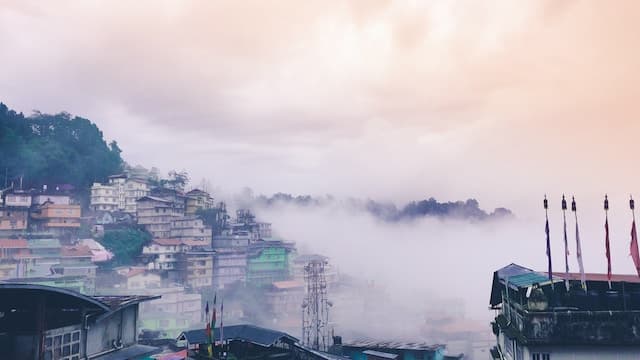
If you are planning a trip to Sikkim during the monsoon or the humid shoulder months, you have probably heard about leeches and wondered how serious the problem really is. This guide is for you if you are trekking in places like Dzongri, Goechala, Varsey, Maenam, Barsey or the forest trails around Yuksom and Hee Bermiok, and you want practical, no-nonsense advice on how to stay comfortable and prepared.
Sikkim is beautiful in the rains, but leech season is real, especially on damp forest paths, grassy slopes and leaf-covered trails. With the right clothing, a few simple precautions and a sensible itinerary, you can still enjoy the region without turning the trip into a constant worry.
When Is Leech Season in Sikkim?
Leech activity in Sikkim usually rises sharply with the arrival of the monsoon, roughly from June to September. You may also notice them in humid pre-monsoon weeks in May and in some forested patches after rain in October, especially at lower elevations where the ground stays wet.
The problem is not the whole state at once. It is highly local. A dry road near Gangtok may have none, while a shaded trail near Yuksom or a meadow approach in West Sikkim may have plenty after rain. Elevation matters too: lower, warm, moist forest sections usually see more leeches than open, windier high-altitude stretches.
Where You Are Most Likely to Encounter Leeches
Leeches are most common on trekking trails, not in city areas. If your plan is mainly Gangtok sightseeing, monastery visits, day drives and cafe hopping, you are unlikely to face much of a problem. The concern rises when you head into forested routes and rainy hikes.
High-risk areas for trekkers
- Yuksom to Sachen and onward towards Dzongri/Goechala during wet months
- Barsey Rhododendron Sanctuary trails after rain
- Maenam Hill and other South Sikkim forest walks in humid weather
- Hee Bermiok, Uttarey and West Sikkim village trails
- Lower parts of forested trails around Ravangla and Pelling
In general, the more leaf litter, damp grass and standing moisture on the trail, the higher the chance of leeches. Early morning after rain, and late afternoon in wet forests, can be especially active periods.
What to Wear to Reduce Leech Bites
Good clothing is your first line of defence. You do not need expensive gear, but you do need to cover skin properly and make it harder for leeches to latch on.
Practical clothing choices
- Full-length trekking pants made of quick-dry fabric
- Tucked-in socks or gaiters to seal the ankle area
- High socks that cover the lower calf
- Closed shoes with a snug fit rather than open footwear
- Light-coloured clothes, which make it easier to spot leeches early
A lot of travellers make the mistake of wearing loose trousers that brush the ground. That is exactly the kind of setup leeches enjoy. If your trail is known for them, consider using leech socks or gaiters. These cost roughly ?400-?1,500 depending on the type and quality, and they are worth it for anyone trekking in monsoon Sikkim.
If you are on a serious trek, you may also see locals or guides using a bit of salt, tobacco, or a leech-repellent spray on socks and shoes. These can help, but they are not magic solutions. Think of them as backup, not your main defence.
How to Pack a Simple Leech-Proof Kit
You do not need to overpack, but a small preparation kit makes life easier. Most of these items are cheap and easy to carry, and they can save you from a lot of fiddling on the trail.
| Item | Why it helps | Indicative cost |
|---|---|---|
| Leech socks or gaiters | Reduces access to ankles and calves | ?400-?1,500 |
| Quick-dry trekking pants | Less clingy in rain and easier to check | ?1,000-?3,500 |
| Salt or leech repellent spray | Useful as a deterrent in a pinch | ?100-?500 |
| Small antiseptic cream | Helps clean minor bites after removal | ?50-?200 |
| Tweezers or a basic first-aid kit | Makes removal and cleaning simpler | ?100-?500 |
If you are booking a guided trek, ask whether leech socks are included or available for rent. Some operators in Sikkim provide them, while others expect you to bring your own. Confirm this before you pay, since gear policies change from one trek team to another.
What To Do When a Leech Attaches
First, stay calm. A leech bite is unpleasant and annoying, but it is usually not dangerous. The main thing is to remove it safely and avoid panicking or ripping it off roughly.
Step-by-step removal
- Move to a dry spot if possible and stop walking for a moment.
- Use salt, a repellent, or the edge of a tool only if you know how your guide recommends it.
- Let it detach naturally or guide it off gently rather than pulling hard.
- Wash the area with clean water and soap as soon as you can.
- Apply antiseptic and a clean dressing if the bite keeps oozing a little.
Some bleeding after a leech bite is normal because the saliva contains anticoagulants. It may look worse than it is, especially on the trail. If the bleeding does not stop for a long time, or if you have an unusual reaction, get medical help promptly.
Best Time to Travel If You Want Fewer Leeches
If your main concern is avoiding leeches, the easiest solution is timing. The driest, most comfortable trekking windows in Sikkim are usually from late October to December and again from March to early May, depending on the route and weather that year.
Winter often means much lower leech activity, but some treks are too cold, snowy or closed for a standard hiking plan. Spring can be excellent for rhododendrons and clear views, with fewer leeches than monsoon. Monsoon gives you lush forests and quieter trails, but you need to be prepared for slippery sections, insect life and frequent rain delays.
If your itinerary is flexible, avoid scheduling your most forest-heavy trek during peak monsoon. You can still visit Sikkim in the rains, but focus more on scenic drives, monasteries, hot springs and short walks rather than long wet hikes.
Travel Tips for Different Types of Sikkim Trips
If you are doing a trek
For treks like Dzongri or Goechala, follow your guide’s advice on clothing, trail speed and route choices. Start early, keep moving steadily and avoid standing idle in damp grass. After every break, check your socks, shoes and ankles before moving on.
If you are on a family holiday
Families often worry more than necessary. If you are staying in Gangtok, Namchi, Pelling or Ravangla and doing sightseeing by car, leeches are rarely a real issue. You only need to be more careful on nature walks, waterfall stops and short forest paths.
If you are combining sightseeing and hiking
This is the most common Sikkim plan. Keep a separate pair of trekking shoes and socks for hikes, and a dry pair for evenings. That way, you do not carry damp footwear back to the hotel or taxi each day. A little discipline here makes the trip much more pleasant.
Health and Safety Notes You Should Not Ignore
Most leech bites are minor, but do not treat them casually if they become red, swollen or infected. Clean the area properly and avoid scratching it. If you have diabetes, a bleeding disorder, thin skin or a known allergy, be extra cautious and speak to your doctor before a trekking trip.
Also remember that monsoon in Sikkim brings more than leeches. Trails become slippery, landslides can affect road access, and transport delays are common on routes such as the approach to Yuksom, Pelling or North Sikkim corridors. Confirm road conditions, permits and weather updates before leaving, especially if you are travelling in July or August.
Frequently Asked Questions
Are leeches in Sikkim dangerous?
In most cases, no. They are unpleasant and can cause small bleeding wounds, but they are usually not medically serious. The bigger issue is discomfort, distraction on the trail and the chance of a minor infection if you do not clean the bite properly.
Can you avoid leeches completely in monsoon Sikkim?
Not always, especially on forest treks during heavy rain. You can reduce encounters a lot by wearing the right clothes, using gaiters and choosing drier routes or travel months. But if you are trekking in wet vegetation, a few encounters are still possible.
Do leeches come only in forests?
Mostly, yes. They prefer damp soil, leaf litter, grass and shaded vegetation. You are far less likely to face them in towns, paved viewpoints or open roadside stops than on forest trails and wet mountain slopes.
Should I cancel my Sikkim trip because of leech season?
Usually not. If your trip is mostly sightseeing, the issue is minor. If you are planning a monsoon trek, you should prepare properly rather than cancel outright. Many travellers enjoy Sikkim in the rains as long as they accept the conditions and pack sensibly.
What is the best month to trek in Sikkim with fewer leeches?
October and November are often much better for avoiding leeches, with March to early May also being fairly manageable on many routes. Exact trail conditions vary by altitude and rainfall, so confirm with your trek operator before booking. A dry week can make a big difference even within the same month.
Are leech socks really necessary?
For monsoon trekking in Sikkim, they are highly useful. They are not compulsory for every traveller, but they are one of the simplest ways to reduce hassle on damp trails. If you are doing a serious walk in wet forest conditions, they are worth carrying.
Final Advice Before You Go
Sikkim in leech season is not something to fear, but it does reward preparation. If you choose the right clothing, carry a small first-aid kit and plan your travel dates sensibly, you can keep the nuisance level low and still enjoy the state’s rain-washed forests, monasteries and mountain roads.
For most Indian travellers, the smartest approach is simple: avoid long wet treks in peak monsoon if you dislike leeches, or gear up properly if the route is non-negotiable. Either way, a little planning goes a long way in North-East travel.
If you found this guide useful, share this post with fellow travellers planning a Sikkim trip.
Planning a North-East trip?
Tell us your dates and who is travelling. Up to three local travel companies send you their itinerary and price.
Get free quotesDisclaimer: The information in this blog is for general information only. We try to keep it accurate and up to date, but TravelSetu accepts no liability for errors or omissions. If you believe any part of it infringes your rights, please write to info@travelsetu.com.